Contents (16 sections)
Living a vegan lifestyle not only promotes health but also significantly reduces your environmental footprint. However, adopting a sustainable vegan living approach goes beyond just eliminating animal products from your diet. It encompasses ethical sourcing, mindful consumption, and a holistic outlook on living in harmony with our planet. In this article, we will explore ten essential tips that can help you cultivate a more sustainable vegan lifestyle while being conscious of your environmental impact.
1. Prioritise Whole Foods
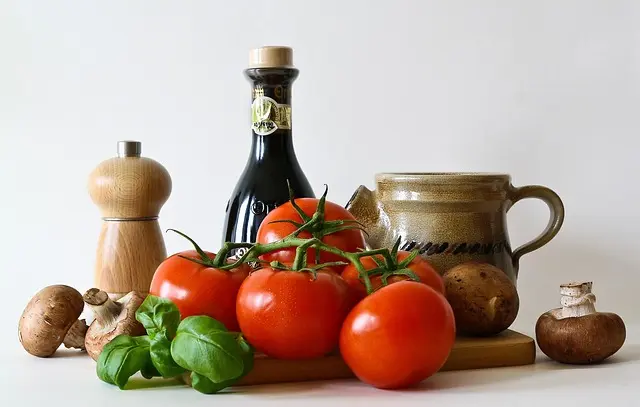
Whole foods, such as fruits, vegetables, grains, nuts, and seeds, are at the core of a sustainable vegan diet. They are not only nutrient-dense but also typically require fewer resources to produce compared to processed foods. Statistics from the FAO indicate that plant-based diets have a lower carbon footprint than meat-intensive diets. By focusing on whole foods, you not only benefit your health but also contribute to reduced greenhouse gas emissions. Consider meal prepping with seasonal fruits and vegetables to minimise waste and ensure your meals are as fresh as possible.
2. Embrace Seasonal and Local Produce
Supporting local farmers and buying seasonal produce can drastically lower carbon emissions associated with transportation and greenhouse production. According to a report from UFC-Que Choisir, locally sourced fruits and vegetables lose about 90% less CO2 during transport than imported goods. Browse farmers’ markets, join a community-supported agriculture (CSA) programme, or shop at local grocers to reduce your food's ecological footprint while enjoying fresh, flavourful options.

hemway Glitter For Tile Grout 100g / 3.5oz Emerald Green Waterproof Fade Resistant
hemway.com


3. Reduce Food Waste
One of the most significant contributors to environmental degradation is food waste. The food waste crisis is staggering, with approximately one-third of all food produced globally going to waste. To combat this, plan your meals, store food properly, and utilise leftovers creatively. Implementing composting can also enrich the soil and promote microbial health, exemplifying the cycle of sustainable living. Engage in practices such as using vegetable scraps for broths or reusing stale bread for breadcrumbs can contribute to reducing waste.
4. Choose Sustainable Brands
When opting for vegan products, consider brands that prioritise sustainable practices. Look for certifications such as Fair Trade, OEKO-TEX, or GOTS (Global Organic Textile Standard). Brands that engage in sustainable practices typically invest in ethical sourcing, fair labour conditions, and environmentally friendly production processes. Supporting these companies helps drive demand for more sustainable practices in the vegan market and encourages others to follow suit. Understanding packaging types can also lead to better purchasing decisions.
5. Limit Processed Vegan Foods
While the convenience of processed vegan foods is tempting, they often come with excessive packaging, refined sugars, and unhealthy fats. A study conducted by 60 Millions de Consommateurs highlighted that processed vegan products could significantly increase food waste due to excessive packaging. Opting for homemade alternatives not only reduces waste but also ensures that you're consuming healthier options. Consider simple meals you can prepare in advance using unprocessed ingredients.
6. Focus on Plant-Based Proteins
While grains and legumes are excellent sources of protein, they can require substantial resources to produce. Choosing protein sources such as lentils, chickpeas, quinoa, and tempeh can provide essential nutrients with lower environmental impacts. According to data from INSEE, incorporating more legumes into your diet can contribute to lower methane emissions produced by traditional farming practices. Experiment with diverse plant proteins to ensure a delicious and fulfilling diet that supports sustainability.
hemway Glitter For Tile Grout 100g / 3.5oz Emerald Green Waterproof Fade Resistant
hemway.com

hemway Glitter For Tile Grout 100g / 3.5oz Champagne Gold Waterproof Fade Resistant
hemway.com
7. Reduce Water Usage
Water scarcity is a pressing issue and food production is a top contributor to water usage. A report from Water Footprint Network indicated that it takes over 1,800 gallons of water to produce just one pound of beef. By opting for plant-based and locally-sourced foods, you not only reduce your water footprint but also promote better management of local water resources. Implement water-saving techniques such as rainwater harvesting or watering plants during cool hours to maximise your water efficiency.
8. Get Involved in Community Initiatives
Engaging with your local community not only spreads knowledge about sustainable living but also fosters a supportive environment for those transitioning to vegan lifestyles. Participate in local clean-up events, sustainability workshops, or environmental advocacy groups. According to the World Wildlife Fund, community initiatives can exponentially enhance the impact of sustainable practices through shared resources and knowledge, creating a ripple effect in your locality.
9. Educate Yourself Continually
The sustainability landscape is ever-evolving, with new research and practices emerging regularly. Staying informed about the latest trends and strategies in sustainable vegan living can ensure you’re making the best choices possible. Engage with reliable sources, attend webinars, or take online courses to deepen your understanding of the environmental impacts of food production. Websites like EarthEasy provide invaluable resources for staying updated on sustainable practices.
10. Connect with Like-Minded Individuals
Finding community support helps maintain motivation and commitment toward sustainable living. Social media platforms, local vegan groups, and forums can be fantastic places to share recipes, tips, and motivation. The connection among individuals sharing similar values can foster accountability and creativity, allowing you to explore new sustainable practices you might not have considered.
📺 For Further Exploration:
For deeper insights into sustainable vegan living, check out [Environmental Benefits of Veganism] on YouTube: search for "impact of plant-based diets on sustainability".
Glossary
| Terme | Définition |
|---|---|
| Sustainable Living | A lifestyle that aims to reduce an individual’s or society's use of the Earth's natural resources. |
| Whole Foods | Foods that are unprocessed and unrefined or processed and refined as little as possible before being consumed. |
| Food Waste | The discarding or destroying of food that is safe for consumption, leading to detrimental economic and environmental impacts. |
Checklist before Purchasing
- [ ] Check food sourcing and seasonality.
- [ ] Plan meals to minimise leftovers.
- [ ] Research brands for sustainability practices.
- [ ] Evaluate packaging types for waste impact.
- [ ] Get involved in local community initiatives.
Conclusion
Adopting sustainable vegan living practices helps not only the planet but also enriches your lifestyle with delicious meals and a vibrant community. By making conscious decisions and taking proactive steps, you contribute to a more sustainable future for all.
We hope these tips inspire you as you navigate your vegan journey. Together, we can make a significant impact on the environment and promote a healthier planet.
Recommended Products
- Product 1: Context explaining relevance for enhancing sustainable living practices.
- Product 2: Context explaining relevance for enhancing sustainable living practices.
- Product 3: Context explaining relevance for enhancing sustainable living practices.
📺 Pour aller plus loin : impact of plant-based diets on sustainability sur YouTube
Recommended products
Selected by our experts

hemway Glitter For Tile Grout 100g / 3.5oz Emerald Green Waterproof Fade Resistant
hemway.com

Techair TAECV007 Sustainable style for 11.6" laptops and Chromebooks. Made from recycled bottles, the Eco Sleeve pairs eco-friendly design with
Back to the Office
hemway Glitter For Tile Grout 100g / 3.5oz Champagne Gold Waterproof Fade Resistant
hemway.com