Contents (14 sections)
Living a vegan lifestyle can be both rewarding and delicious, especially when you have the right ingredients at your fingertips. By stocking your kitchen with essential vegan ingredients, you can whip up diverse and flavourful meals that not only satisfy your taste buds but also align with your dietary choices. In this article, we'll explore the key ingredients every vegan kitchen should have. From pantry staples to fresh produce, let’s dive into the world of vegan cooking!
1. Legumes: The Powerhouse of Protein
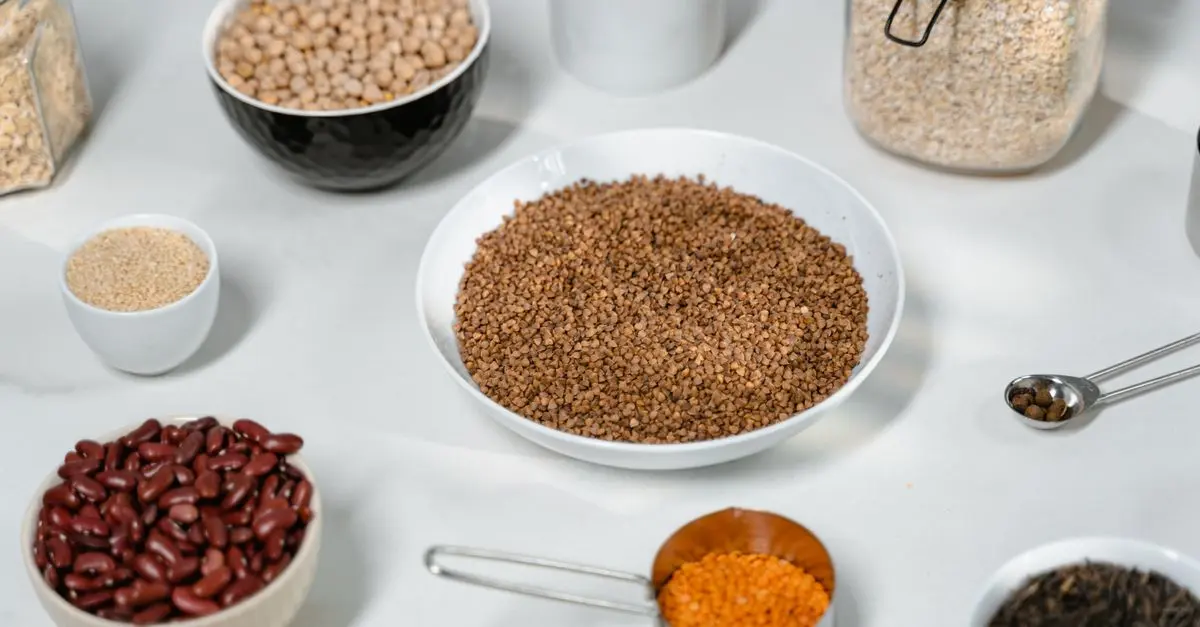
Legumes, such as lentils, chickpeas, and beans, are a staple in any vegan kitchen. They are incredibly versatile and can be used in a variety of dishes, from hearty stews to salads and burgers. High in protein and fibre, they provide essential nutrients while keeping you full and satisfied. For instance, one cup of cooked lentils contains approximately 18 grams of protein, making them a fantastic base for many meals. You can also try making homemade hummus or adding chickpeas to your salad for an added protein boost. Their ability to absorb flavours means they can be seasoned to fit any cuisine, enhancing the culinary experience.
2. Whole Grains: The Foundation of a Balanced Diet
Incorporating whole grains like quinoa, brown rice, and oats into your diet is crucial for maintaining energy levels. Whole grains are rich in complex carbohydrates and provide essential vitamins and minerals. Quinoa is particularly noteworthy as it is one of the few plant foods that contain all nine essential amino acids, making it a complete protein source. Brown rice and oats, on the other hand, can serve as excellent side dishes or ingredients in various meals. They help create a fulfilling base for stir-fries, salads, or breakfast bowls, ensuring you get a well-rounded intake of nutrients.

Nudestix Nudeskin Hydra-Peptide Lip Butter Tint Set gift set for lips
notino.co.uk


3. Fresh Vegetables: A Rainbow of Nutrients
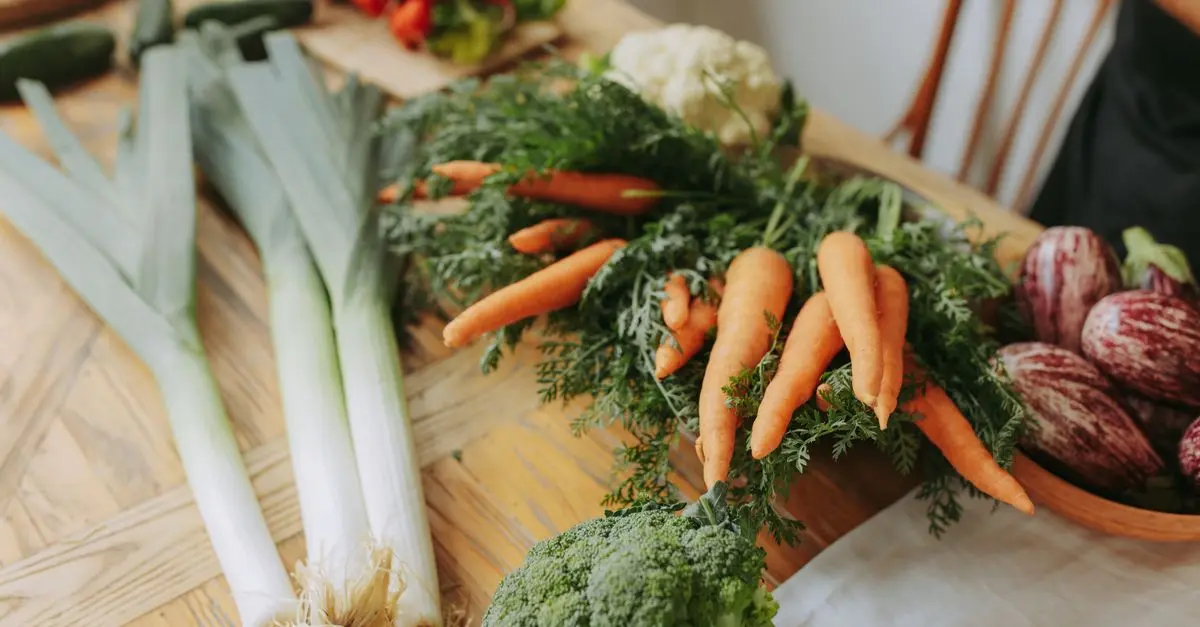
A vegan kitchen thrives on a diverse selection of fresh vegetables. Green leafy vegetables like spinach and kale are rich in iron and calcium. Root vegetables such as carrots and beetroot provide natural sweetness and colour to your meals. By incorporating a variety of colours into your dishes, you increase your intake of different vitamins and minerals essential for optimal health. A simple stir-fry can become a nutrient-dense feast by tossing in a mix of colourful vegetables. Don’t forget to consume seasonal vegetables to enjoy them at their freshest and most flavourful.
4. Nuts and Seeds: Healthy Fats and Crunch
Nuts and seeds are essential for a well-rounded vegan diet. They provide healthy fats, protein, and fibre, essential for heart health and overall well-being. Almonds, chia seeds, and flaxseeds are particularly beneficial. For instance, chia seeds are an excellent source of omega-3 fatty acids and can be easily added to smoothies, oatmeal, or baked goods. Almonds offer a satisfying crunch when sprinkled over salads or eaten as a snack. Ensure you have a selection of different nuts and seeds to enhance both flavour and nutrition in your meals.
5. Plant-Based Dairy Alternatives: Creamy Delights
For those who enjoy creamy textures in their meals, plant-based dairy alternatives like almond milk, coconut yoghurt, and cashew cream are invaluable. These alternatives not only cater to lactose intolerance but also provide great taste without the calories and saturated fat found in animal products. They can be used in smoothies, baking, or sauces, making them incredibly versatile. Moreover, many brands fortify their products with vitamins such as B12 and D, making them a great addition to your vegan lifestyle.
6. Herbs and Spices: Elevate Your Flavour Game
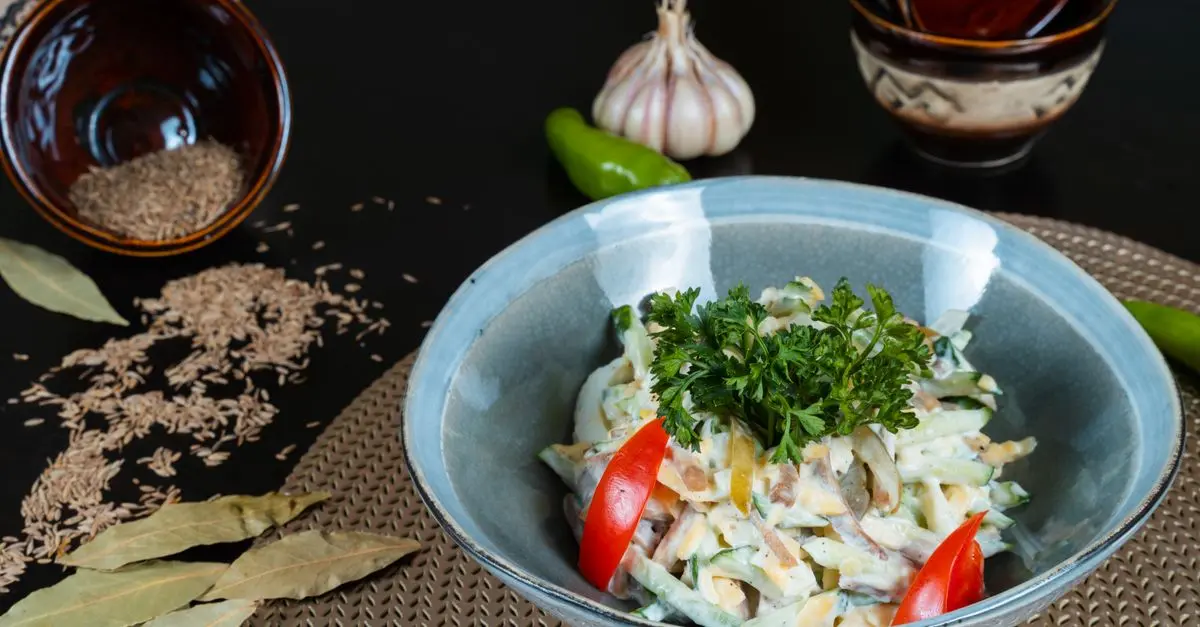
Herbs and spices can transform a simple dish into a culinary masterpiece. Stock your kitchen with basic herbs like basil, cilantro, and peppermint, as well as spices like cumin, paprika, and turmeric. Fresh herbs add brightness to recipes, while spices give depth and warmth. For example, turmeric is not only known for its anti-inflammatory properties but also enhances the colour and flavour of dishes. Don't shy away from experimenting with different combinations to find unique flavours that excite your palate.


7. Oils: The Essence of Cooking
Cooking oils, such as olive oil, coconut oil, and avocado oil, are vital for a multitude of cooking techniques, from sautéing to baking. Each type of oil has distinct flavours and benefits. For example, olive oil is renowned for its heart-healthy fats and works beautifully in dressings and for finishing dishes. Coconut oil adds a delightful sweetness and is perfect for baking or cooking at high temperatures. Choosing the right oil can truly enhance the nutritional profile and taste of your meals.
8. Sweeteners: Natural vs. Refined
Opt for natural sweeteners like maple syrup, agave nectar, and coconut sugar instead of refined sugars. These alternatives not only provide sweetness but also boast additional nutrients compared to their processed counterparts. Maple syrup has antioxidants and can be used in baking, drizzling over pancakes, or sweetening beverages. Being mindful of your sweeteners can make a significant difference in your overall health while still allowing you to indulge your sweet tooth.
9. Frozen Fruits and Vegetables: Convenience is Key
Having a selection of frozen fruits and vegetables on hand is a clever way to ensure you always have healthy components available for your meals. They are flash frozen at their peak ripeness, retaining nutrients while offering convenience when fresh options are not available. Frozen berries, for instance, make a perfect addition to smoothies or desserts. Frozen vegetables can be easily added to stir-fries or soups, saving you time without sacrificing quality.
10. Check out This Summary: A Vegan Kitchen Essentials Checklist
Essential Ingredient Checklist
- [ ] Legumes (lentils, chickpeas, beans)
- [ ] Whole grains (quinoa, brown rice, oats)
- [ ] Fresh vegetables (leafy greens, root vegetables)
- [ ] Nuts and seeds (almonds, chia seeds, flaxseeds)
- [ ] Plant-based dairy alternatives (almond milk, coconut yoghurt)
- [ ] Herbs and spices (basil, cumin, turmeric)
- [ ] Oils (olive oil, coconut oil)
- [ ] Natural sweeteners (maple syrup, agave nectar)
- [ ] Frozen fruits and vegetables
📺 For further exploration:
Discover the best ways to cook with essential vegan ingredients — Search on YouTube: "essential vegan cooking ingredients".
Glossary
| Terme | Définition |
|---|---|
| Veganisme | Un mode de vie excluant tous les produits d'origine animale. |
| Protéines complètes | Un équilibre des acides aminés essentiels obtenus de sources alimentaires. |
| Antioxydants | Des composés qui protègent les cellules contre les dommages causés par les radicaux libres. |
---
Be sure to stock your kitchen with these essential vegan ingredients and take your cooking to the next level. Eating vegan doesn't limit your culinary creativity; it enhances it. Happy cooking!
📺 Pour aller plus loin : essential vegan cooking ingredients sur YouTube
Recommended products
Selected by our experts

Hemway Powder Pigment Metallic Sapphire Blue Epoxy Resin, Cosmetic, Candle
hemway.com