Contents (9 sections)
Adopting a vegan lifestyle has gained traction in recent years, not only for its ethical considerations but also for its substantial health benefits. The nutritional benefits of a vegan diet are numerous, with research indicating that a well-planned vegan diet can meet all essential nutritional needs and even support long-term health. This article will explore the vital nutrients in a vegan diet and their health advantages, ensuring a comprehensive understanding of how plant-based eating can enhance well-being.
What is a Vegan Diet?
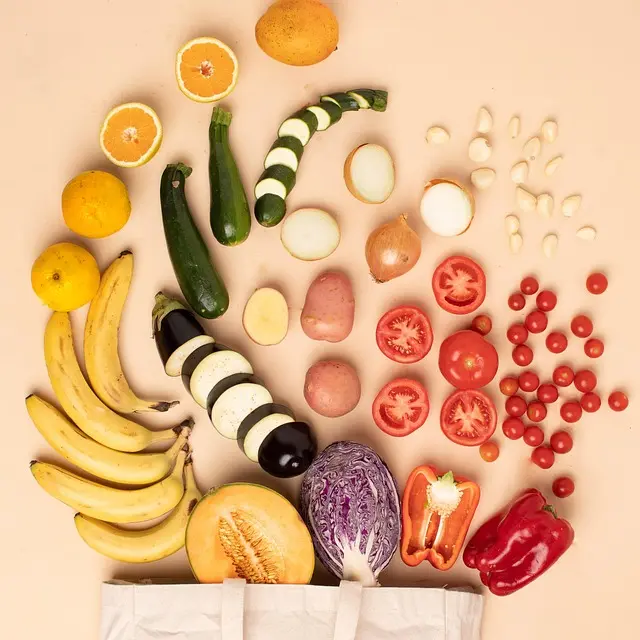
A vegan diet excludes all animal products, including meat, dairy, eggs, and even honey. Instead, it focuses on whole plant foods such as vegetables, fruits, grains, nuts, and seeds. The foundational premise behind this dietary choice revolves around consuming a variety of foods that not only supply adequate nutrition but also promote overall health. Studies, including those reviewed by the American Dietetic Association, have found that a vegan diet can lead to lower risks of chronic diseases like heart disease, type 2 diabetes, and certain cancers.
Moreover, because plant-based foods are typically high in fibre and low in saturated fat, those on a vegan diet may find it easier to maintain a healthy weight. According to a study published in the Journal of Nutrition (2019), vegans generally have lower body mass indexes (BMIs) compared to omnivores. Therefore, understanding the components of a vegan diet is crucial for ensuring its effectiveness in promoting health.
Essential Nutrients in a Vegan Diet
When evaluating the nutritional benefits of a vegan diet, it’s essential to look at key nutrients that may require special attention. Vegans should focus on adequate intake of:
- Vitamin B12: Typically found in animal products, this vital nutrient can be supplemented via fortified foods or tablets.
- Iron: Plant sources provide non-heme iron, which is less readily absorbed. Combining these sources with vitamin C-rich foods can enhance absorption.
- Calcium: Found in leafy greens, almonds, and fortified plant milks, calcium supports bone health and can prevent osteoporosis.
- Omega-3 Fatty Acids: While commonly sourced from fish, vegans can obtain omega-3s from flaxseeds, chia seeds, and walnuts.
Understanding these nutrients ensures a balanced approach to eating vegan while avoiding deficiencies. Incorporating a range of different plant foods can help meet these needs effectively.
Health Advantages of a Vegan Diet
The health benefits associated with a vegan diet span far beyond weight management. Research highlights several significant advantages:
- Cardiovascular Health: A diet rich in fruits, vegetables, and whole grains promotes heart health. According to a meta-analysis performed by Harvard University, vegans have a 25-50% lower risk of heart disease.
- Digestive Health: The high fibre content in a vegan diet supports gut health and regular digestion, which can lead to improved overall health outcomes.
- Reduced Inflammation: Many plant-based foods possess anti-inflammatory properties. Foods like berries, green tea, and turmeric can help combat inflammation that arises from chronic diseases.
In addition, vegans often enjoy a higher intake of antioxidants and phytonutrients, which play a crucial role in reducing oxidative stress and promoting cellular health.
How to Transition to a Vegan Diet: Step-by-Step
Transitioning to a vegan diet need not be overwhelming. Here’s a simple method to help ease into it:
- Educate Yourself: Understanding the nutritional aspects can help in making informed food choices.
- Start Gradually: Begin by eliminating one type of animal product at a time. Consider starting with red meat, followed by poultry, and dairy.
- Experiment with Plant Foods: Explore various plant-based options and discover new recipes to keep your meals exciting.
- Plan Your Meals: Ensure that each meal includes a variety of food groups to ensure you’re getting all necessary nutrients.
- Monitor Your Health: Keep track of how you feel with a vegan diet. If you notice fatigue or other health issues, consulting with a healthcare professional is advisable.
Comparative Nutritional Analysis: Vegan vs. Omnivore Diets
| Nutrition Criteria | Vegan Diet | Omnivore Diet | Verdict |
|---|---|---|---|
| Protein | Plant protein from beans, nuts | Animal protein from meat, eggs | Both diets can meet protein needs |
| Fibre | High in fruits/vegetables | Low, typically processed foods | Vegan is superior |
| Saturated Fat | Low (primarily unsaturated fats) | High (from animal products) | Vegan is healthier |
| Vitamin B12 | Supplements needed | Naturally abundant | Omnivore is superior |
FAQs about Vegan Diets
- Q: Is it hard to get enough protein on a vegan diet?
A: No, as there are many plant sources of protein, including legumes, nuts, and seeds. Planning meals can help ensure adequate intake.
- Q: Do I need to take supplements if I’m vegan?
A: Yes, especially for vitamin B12 and possibly omega-3 fatty acids, which may be less available in a plant-based diet.
- Q: Can I be healthy on a vegan diet without eating processed foods?
A: Absolutely! A whole foods-based approach maximises the benefits of a vegan diet while minimising health risks.
- Q: Will I gain weight on a vegan diet?
A: Adopting a vegan diet with whole, minimally processed foods can help with weight management.
Glossary
| Term | Definition |
|---|---|
| Veganism | A lifestyle that avoids all animal products for ethical, health, or environmental reasons. |
| Nutrient Deficiency | A lack of essential nutrients in the diet, potentially leading to health issues. |
| Whole Foods | Foods that are unprocessed and unrefined, or processed and refined as little as possible. |
Checklist before making the switch to Vegan
- [ ] Research potential nutritional deficiencies
- [ ] Plan for meals and snacks
- [ ] Ensure access to plant-based alternatives
- [ ] Incorporate varied food sources
- [ ] Monitor energy levels and health changes
We hope this exploration into the nutritional benefits of a vegan diet inspires you to consider the positive impacts that a plant-based lifestyle can bring to your health.
📺 For further insights: Exploring Veganism, a detailed analysis of the benefits and challenges of a vegan diet. Search on YouTube:
nutritional benefits of a vegan diet.
📺 Pour aller plus loin : nutritional benefits of a vegan diet sur YouTube
Recommended products
Selected by our experts