Contents (12 sections)
Creating a sustainable vegan pantry is not only beneficial for the environment but also enhances your overall cooking experience. A well-stocked pantry allows you to prepare nutritious and diverse meals with minimal effort. This guide will give you insights into essential ingredients, best practices for stocking your pantry, and tips for sustainable cooking.
What is a Sustainable Vegan Pantry?
A sustainable vegan pantry focuses on using plant-based ingredients that minimise environmental impact. This includes opting for local, seasonal, and organic products whenever possible. By choosing ingredients that are grown sustainably, we support eco-friendly farming practices and reduce carbon footprints associated with food transportation.
Moreover, a sustainable vegan pantry consists of items that are versatile and nutrient-rich, allowing you to create a wide array of dishes. For example, staples like legumes, grains, and nuts not only provide essential nutrients but also help in maintaining a balanced diet. The use of these ingredients promotes holistic health and environmental stewardship, making it easier to embrace a plant-based lifestyle.
How to Stock Your Sustainable Vegan Pantry
Building your sustainable vegan pantry is an ongoing process, and here are key steps to consider:
Step 1: Assess Your Current Pantry
Before diving into stocking your vegan pantry, it’s crucial to assess what you currently have. Look for non-perishable items such as canned beans, grains, spices, and sauces. Identify items that are nearing expiry or no longer align with your sustainable cooking goals. This assessment will give you a clearer idea of what you need to purchase and the areas where you might be overstocked.
Step 2: Choose Whole Grains
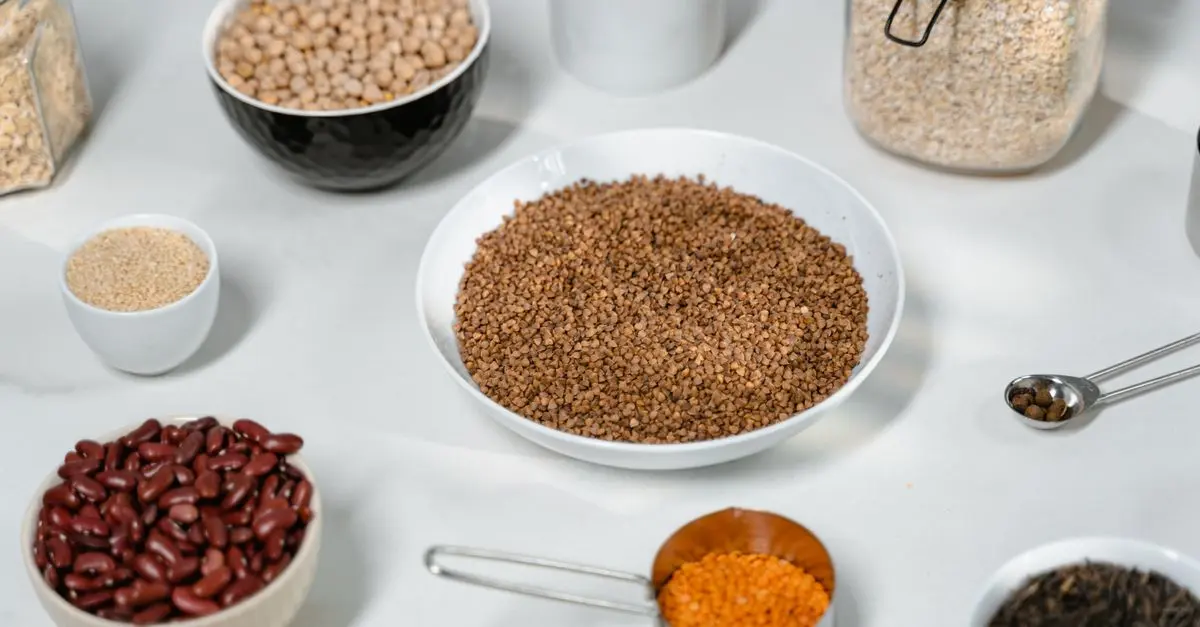
Whole grains should be a cornerstone of your pantry. They are high in fibre and essential nutrients. Opt for varieties like quinoa, brown rice, and oats. For instance, quinoa is an excellent source of plant-based protein and is versatile enough to be used in salads, bowls, or as a side dish. Brown rice, being less processed than white rice, retains its nutritional benefits, providing slow-releasing energy for longer periods. Integrating diverse grains will not only enhance texture in your meals but also expand your repertoire of recipes.
Step 3: Incorporate Legumes and Pulses
Legumes and pulses are fundamental for a sustainable vegan diet. Items like lentils, chickpeas, and black beans are not only affordable but also packed with protein, fibre, and other vital nutrients. Dried legumes have a longer shelf life and are often cheaper than canned varieties. To make the most of them, consider incorporating a weekly cooking session where you batch-cook and freeze them. This practice will save time and ensure you always have a nutritious base for your meals.
Step 4: Stock Healthy Fats
Healthy fats from sources like nuts, seeds, and oils are essential for a balanced diet. Stocking foods such as chia seeds, almond butter, and extra virgin olive oil can help in creating flavourful dishes that are rich in taste and texture. These ingredients provide essential fatty acids necessary for brain health and can elevate your vegan meals. Incorporate nuts and seeds into snacks or salads for an added crunch while maintaining nutritional integrity.
Step 5: Add Dried Herbs and Spices
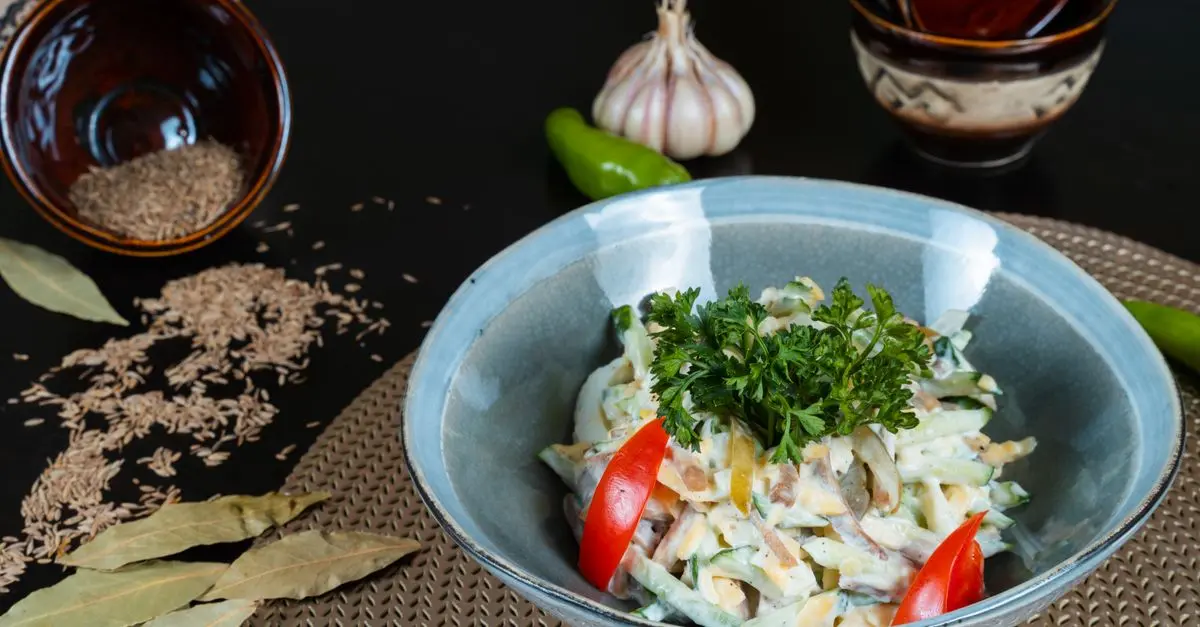
Dried herbs and spices are crucial for flavouring your dishes. Consider stocking basics like cumin, paprika, turmeric, and dried herbs like basil and oregano. A well-stocked spice rack allows you to transform simple ingredients into gourmet meals. Furthermore, using herbs not only enhances the taste but also can provide various health benefits, such as antioxidant properties.
Step 6: Plan for Fresh Produce
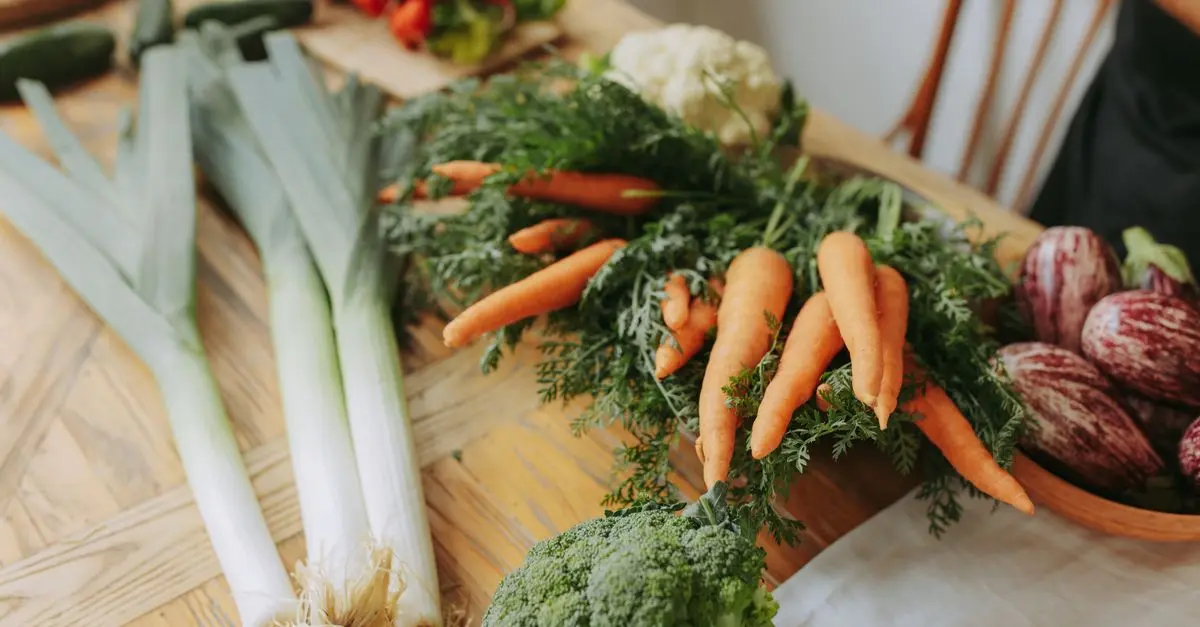
While the focus is on pantry items, integrating fresh produce is vital for a healthy vegan lifestyle. Make a habit of visiting local farmers' markets or grocery stores that prioritise local and seasonal products. Fresh vegetables and fruits should complement your pantry staples, providing necessary vitamins and minerals. In addition, purchasing produce in season can significantly reduce your carbon footprint, making it a sustainable choice.

Techair TAECV007 Sustainable style for 11.6" laptops and Chromebooks. Made from recycled bottles, the Eco Sleeve pairs eco-friendly design with
Back to the Office


Checklist for Building Your Sustainable Vegan Pantry
- [ ] Assess current pantry inventory.
- [ ] Choose a variety of whole grains.
- [ ] Incorporate legumes and pulses.
- [ ] Stock healthy fats.
- [ ] Add dried herbs and spices.
- [ ] Plan for fresh produce.
Glossary
| Terme | Définition |
|---|
| Légumineuses | Plantes cultivées pour leurs graines riches en protéines, comme les haricots et lentilles.
| Grains entiers | Grains non raffinés qui conservent toutes leurs parties nutritives, comme le blé complet et l’avoine.
| Nutrition | Étude des nutriments et de leur impact sur la santé humaine.
📺 Pour aller plus loin : Discover tips on stocking a vegan pantry sustainably, a comprehensive guide on how to make eco-friendly choices. Search on YouTube: "sustainable vegan pantry 2026".
📺 Pour aller plus loin : sustainable vegan pantry 2026 sur YouTube
Recommended products
Selected by our experts