Contents (15 sections)
Embracing a vegan diet can feel overwhelming, but creating a well-structured vegan meal plan simplifies the process. This guide will help you navigate the essentials of meal planning, showcasing the best seasonal ingredients to keep your meals fresh, nutritious, and enjoyable throughout the year. Let’s explore how to design a meal plan that meets your dietary preferences while resonating with the seasonal rhythms of nature.
1. Understanding the Basics of Vegan Meal Planning
Creating a vegan meal plan begins with understanding what it means to eat a vegan diet. A vegan meal plan excludes all animal products, focusing instead on fruits, vegetables, grains, legumes, nuts, and seeds. According to a study by the Plant Based Foods Association, the vegan food market has grown by over 30% in the last few years, reflecting a significant shift in consumer preferences towards plant-based diets.
Importance of Seasonal Eating
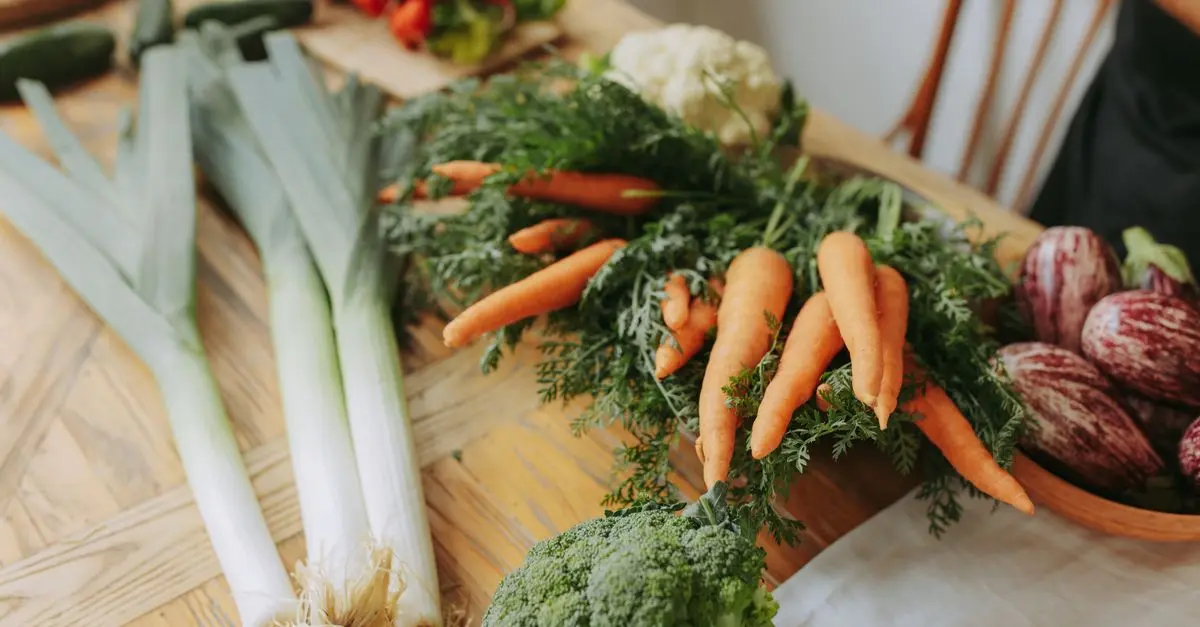
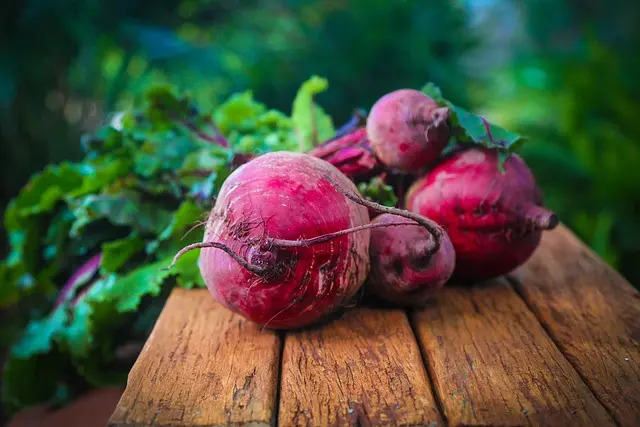
One of the key components in crafting a successful meal plan is incorporating seasonal produce. Eating seasonally can enhance the flavour and nutritional value of your meals while supporting local farmers and reducing your carbon footprint. Seasonal eating also allows you to take advantage of the freshest ingredients, enhancing the overall quality of your meals. For instance, during the winter months, root vegetables, citrus fruits, and hearty greens are at their peak, offering diverse options for your meals.
On the other hand, summer provides a bounty of fresh berries, tomatoes, and leafy greens. Each season brings its own unique flavour profiles and nutritional benefits. Emphasising these ingredients in your meals not only promotes health but also contributes to a more sustainable lifestyle.
2. Step-by-Step Process for Crafting Your Vegan Meal Plan
Creating your vegan meal plan can be straightforward if you follow these steps:
Step 1: Decide on Your Meal Frequency and Structure
Start by determining how many meals and snacks you would like to include in your weekly plan. A common approach is to plan for three main meals: breakfast, lunch, and dinner, with two to three snacks. Consider your schedule – are you often on the go? Then perhaps batch cooking and planning for quick meals will suit your needs.
Step 2: Choose Seasonal Ingredients
Next, research the seasonal produce available in your area. Farmers' markets or local grocery stores are fantastic resources. Choose a variety of colours and types of vegetables to ensure a broad spectrum of nutrients. For example, in spring, you might opt for asparagus, peas, and strawberries, while in autumn, consider using pumpkin, sweet potatoes, and kale. This variety will keep your meal plan exciting and nutritious.
Step 3: Create a Recipe Bank
Having a repertoire of trusted vegan recipes is invaluable. Curate a list that includes breakfast options, lunches, dinners, and snacks. Experiment with new recipes each week to keep things fresh. When possible, aim for recipes that can utilise the same ingredients to reduce waste and save time.
Step 4: Draft Your Meal Plan
With your list of seasonal ingredients and recipes, draft your meal plan. Begin with breakfast, moving on to lunch and dinner, planning specific recipes for each day. Don’t forget to include snacks and consider meal prep options if you have a busy lifestyle. For example, weekend meal prepping can include making a large batch of quinoa, roasted vegetables, or sauces to use throughout the week.
Step 5: Shopping List
Compile a shopping list based on your meal plan. Organise your list according to different sections of the store (produce, pantry staples, etc.) to streamline your shopping experience.
Step 6: Review and Adjust
After a week of following your plan, assess what worked well and what didn’t. Were there meals you didn't enjoy? Are there snacks you found yourself craving? Flexibility is key, so make adjustments as necessary. This will help you create a more personalised meal plan in the long run.

3. Preventing Common Pitfalls
When creating a vegan meal plan, there are common mistakes to avoid:
- Monotony: Eating the same meals can lead to boredom. Try to incorporate different recipes and ingredients to keep things interesting.
- Not Tracking Nutrients: Ensure you're getting enough protein, iron, and vitamins commonly found in animal products. This might involve incorporating legumes, seeds, and nuts into your meals.
- Overcomplication: Especially for beginners, keep your recipes simple and manageable. Start with basic meals before moving on to complex dishes.
Using meal planning tools or apps can help track nutrients and keep your meals organised.
4. Seasonal Meal Planning Examples
Here's a sample look at potential meals for each season:
| Season | Breakfast | Lunch | Dinner | Snack |
|---|---|---|---|---|
| Spring | Chia pudding with strawberries | Quinoa salad with peas | Asparagus stir-fry | Hummus and carrot sticks |
| Summer | Smoothie bowl with berries | Grilled vegetable wraps | Zucchini noodles | Watermelon slices |
| Autumn | Pumpkin oatmeal | Sweet potato and black bean salad | Roasted root vegetable stew | Apple slices with almond butter |
| Winter | Banana pancakes with warm maple syrup | Cauliflower soup | Lentil and carrot curry | Spiced nuts |
5. Frequently Asked Questions
Q: How do I ensure I'm getting enough protein on a vegan diet?
A: Incorporate a variety of protein sources such as lentils, chickpeas, tofu, and quinoa into your meals. Track your intake to make sure you’re meeting your protein needs.
Q: Can I meal prep vegan meals ahead of time?
A: Yes! Many vegan meals can be made in advance and stored in the fridge or freezer, like soups, stews, and grain-based salads, saving you time during the week.
Q: What should I do if I don’t like a meal in my plan?
A: Be flexible! Swap it out for a recipe or ingredient you prefer while still adhering to your meal plan framework.
Q: How often should I update my vegan meal plan?
A: Reassess your meal plan every few weeks, modifying it based on the seasons as well as your tastes and availability of ingredients.
6. Glossary
| Term | Definition |
|---|---|
| Meal Prep | Preparing meals in advance to save time during busy week days. |
| Plant-Based | A diet primarily composed of plant foods including fruits and vegetables. |
| Sustainable Eating | Making food choices that are healthy for the environment and local economies. |
💡 Expert Insight: Meal planning is not just a means of nutrition; it’s a lifestyle change. By committing to a plan, you can discover new flavours and recipes while maintaining a balanced diet.
📺 For more insights: How to Plan Vegan Meals for Every Season, a comprehensive analysis on effective meal planning. Search on YouTube: "seasonal vegan meal planning".
📺 Pour aller plus loin : seasonal vegan meal planning sur YouTube

vegan leather phone case for iphone X XS shockproof real leather business back cover free sample custom brand logo and gift box
Alibaba UK


Recommended products
Selected by our experts

Samsung ET-SHR96LBEGEU Smart Wearable Accessories Band Black Fluoroelastomer, Vegan leather
Back to the Office