Contents (23 sections)
Seasonal eating is a concept that revolves around consuming foods that are in season, which typically means enjoying fruits and vegetables at their peak freshness. For those following a vegan diet, embracing seasonal eating can significantly enhance both nutrition and flavour in meals. This practice not only benefits your health but also supports local farmers and reduces your carbon footprint. In this guide, we will explore how to incorporate seasonal produce into your diet, providing practical steps to help you get started.
1. Understanding Seasonal Eating
What is Seasonal Eating?
Seasonal eating involves consuming fruits, vegetables, grains, and other foods that are harvested during their naturally occurring growing seasons. This method is deeply rooted in traditional diets and promotes fresh, flavourful, and nutrient-dense foods. By focusing on local and seasonal foods, you are not just eating healthier but also reducing transportation emissions associated with out-of-season produce.
Why is it Important?
Eating seasonally is not only beneficial for personal health but also has a broader impact on the environment. For example, according to the Food and Agriculture Organization (FAO), producing food out of season can lead to excessive water usage and increased fossil fuel consumption during transportation. Additionally, seasonal produce often contains higher levels of nutrients compared to those that are grown in non-native conditions. Thus, embracing seasonal eating in your vegan diet not only enhances flavour but also contributes to sustainable agriculture and reduced environmental impact.
2. Steps to Incorporate Seasonal Produce into Your Vegan Meals
Step 1: Research Local Seasons
The first step to embracing seasonal eating is to understand what fruits and vegetables are in season in your area. This can vary significantly depending on your geographic location. For instance, while strawberries may be in season in late spring in the UK, they may not be readily available in other regions until later in the summer. A good approach is to consult local farmer’s markets or regional agricultural websites to get a precise understanding of what is available at different times of the year. Keeping a seasonal calendar can be incredibly helpful.
Step 2: Visit Farmer's Markets
One of the best places to find seasonal produce is at local farmer’s markets. Not only do these markets provide fresh fruits and vegetables, but they also allow you to support local agriculture. Engaging with farmers can give you insights into the best ways to prepare seasonal produce, as well as tips on how to store and use it effectively. Many farmers also sell specialty items like homemade vegan cheeses or preserves, which can complement your meals perfectly.
Step 3: Plan Your Meals
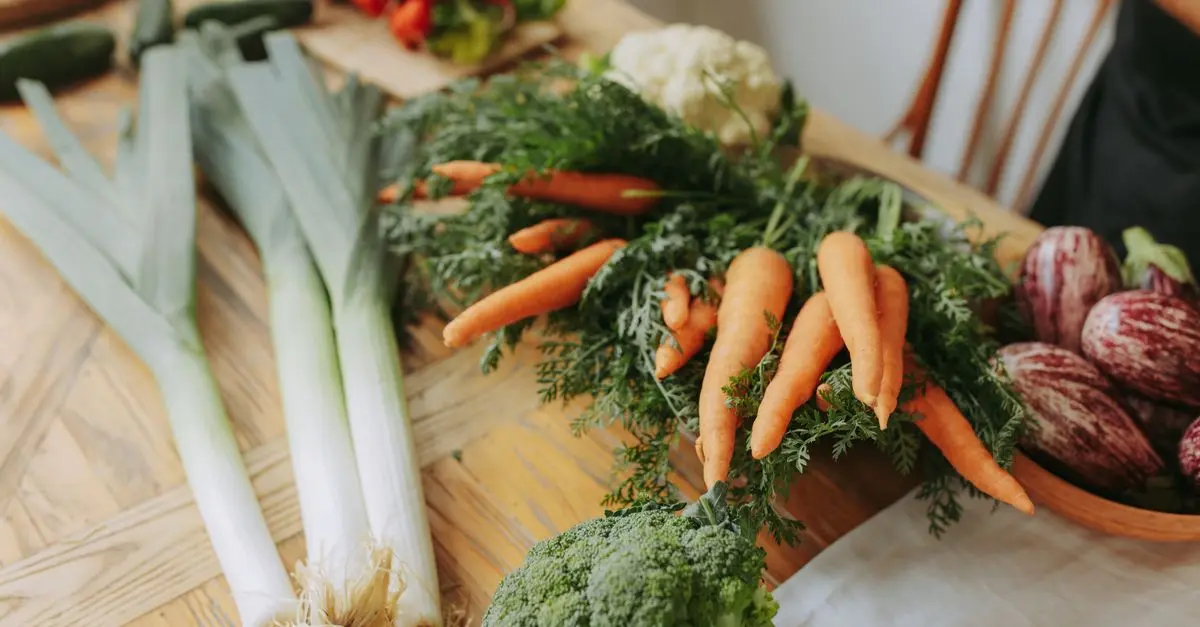
Once you’ve identified seasonal produce, the next step is to plan your meals around these ingredients. This encourages variety in your diet and ensures you are getting a wide range of nutrients. You might want to create a weekly menu focusing on fruits and vegetables that are in season. For example, if it's autumn, your meals could feature pumpkin, squash, apples, and Brussels sprouts. This not only makes cooking exciting but also encourages creativity in the kitchen.
Step 4: Experiment with New Recipes
Using seasonal ingredients can inspire you to try new recipes. Look for cooking blogs or vegan cookbooks that focus on seasonal cooking. You could experiment with newly introduced ingredients to expand your culinary repertoire. For instance, try making a roasted vegetable medley with seasonal root vegetables or a fresh salad using local greens. The internet is full of recipes tailored specifically for seasonal ingredients.
Step 5: Preserve for Later
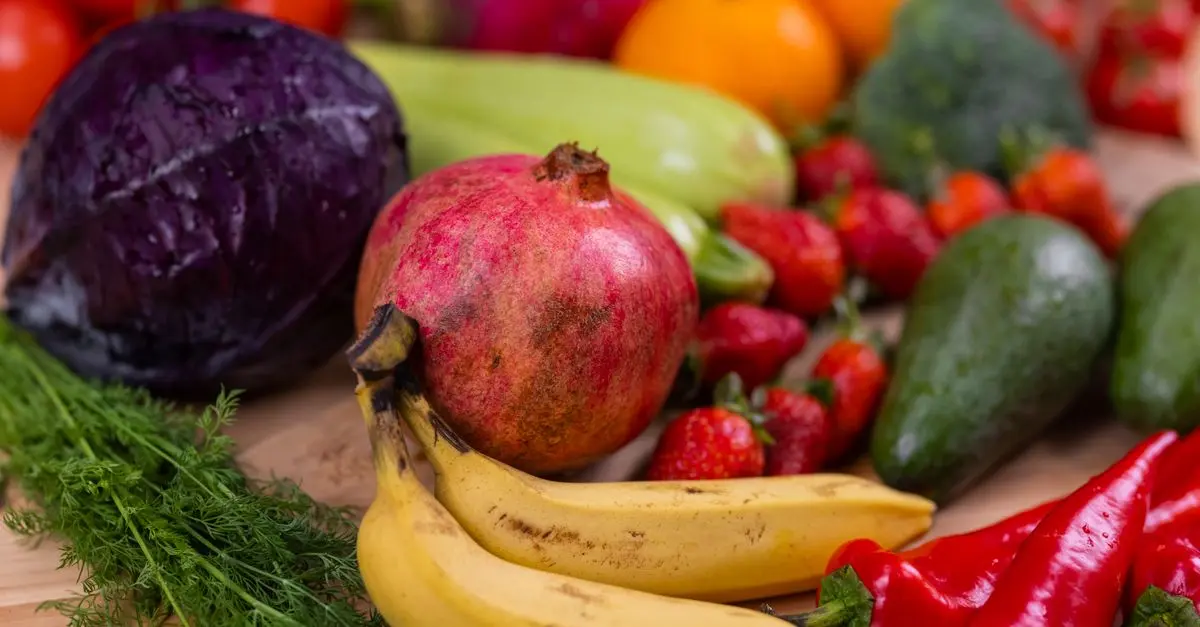
Sometimes, seasonal produce comes in larger quantities than you can consume quickly. Learning preservation techniques such as canning, freezing, or drying can help keep seasonal ingredients available year-round. For example, if you find a great deal on strawberries in summer, consider making a strawberry jam or freezing them for smoothies in winter. This will not only enhance your pantry but also allow you to enjoy seasonal flavours long after the harvest is over.

P140 M24861 M27623 M28287 M46203 Small Carryall Cargo Denim Rendez-Vous Series, Drawing Inspiration From Seasonal Inspiration, Sho
Voghion Global
3. Seasonal Produce Comparison Table
| Season | Fruits | Vegetables | Grains |
|---|---|---|---|
| Spring | Strawberries, Rhubarb | Asparagus, Spinach | Barley |
| Summer | Berries, Peaches | Tomatoes, Zucchini | Quinoa |
| Autumn | Apples, Pears | Pumpkins, Parsnips | Buckwheat |
| Winter | Citrus Fruits | Root Vegetables | Oats |
The Nutrition Factor
Eating seasonal produce can significantly improve your overall health. Studies indicate that fruits and vegetables are richest in nutrients when they are in season. For example, Research from the University of California suggests that vine-ripened tomatoes have higher levels of vitamins and antioxidants than those that are picked unripe and artificially ripened. The nutritional density of seasonal produce adds more than just flavour; it ensures you’re getting the vitamins and minerals your body needs throughout the year.
5. FAQ
Why should I eat seasonally?
Seasonal eating provides numerous health benefits, including better nutrient content, superior taste, and a lower environmental impact.
How do I know what is in season?
You can consult local farmer's markets, farming websites, or seasonal produce calendars that indicate what fruits and vegetables are available at different times of the year.
Can I eat seasonal produce year-round?
Yes, by preserving seasonal produce, you can enjoy its flavours and nutritional benefits beyond its harvesting period.
Is seasonal eating suitable for everyone?
Absolutely! Seasonal eating is adaptable to different diets and can be particularly beneficial for vegan diets by promoting diverse nutrition.
Glossary
| Terme | Définition |
|---|
| Saisonnalité| Période de l'année où certains aliments sont cultivés et récoltés en pleine maturité.
| Produits Locaux| Aliments cultivés et vendus à proximité de leur point de vente pour réduire l'empreinte carbone.
| Conservation| Techniques mises en œuvre pour stocker des aliments pour une consommation future.
Checklist avant achat
- [ ] Vérifier la disponibilité des fruits et légumes locaux
- [ ] Planifier vos repas autour des ingrédients de saison
- [ ] Visiter le marché local une fois par semaine
- [ ] Tester de nouvelles recettes avec des produits de saison
- [ ] Considérer la conservation des surplus
📺 Ressource Vidéo
> 📺 Pour aller plus loin : How to Eat Seasonally on a Vegan Diet, une analyse complète sur la façon d’incorporer des aliments de saison dans votre alimentation. Recherchez sur YouTube : "seasonal eating vegan recipes".
Conclusion
Incorporating seasonal produce into your vegan meals not only enhances nutrition and flavour but also promotes sustainable eating practices. As you begin to engage with seasonal eating, we encourage you to explore local markets and try new recipes. Embrace the changes each season brings and enjoy the colourful, vibrant foods available to you.
Une expérience culinaire saisonnière enrichissante vous attend !
Nous avons sélectionné plusieurs produits adaptés pour vous aider dans cette démarche. Découvrez nos recommandations ci-dessous.
📺 Pour aller plus loin : seasonal eating vegan recipes sur YouTube
Recommended products
Selected by our experts
P140 M24861 M27623 M28287 M46203 Small Carryall Cargo Denim Rendez-Vous Series, Drawing Inspiration From Seasonal Inspiration, Sho
Voghion Global
This product is useful for anyone looking to store seasonal produce efficiently, helping you to keep your kitchen organised.