Contents (10 sections)
Adopting a vegan lifestyle can be a fulfilling journey for both the body and the planet. This guide will walk you through essential steps to embrace veganism smoothly, including practical tips, common pitfalls, and an insightful checklist to help you on your way.
1. Understanding Veganism: What Is It and Why Embrace It?
Veganism goes beyond just omitting meat from your diet; it’s a lifestyle choice aimed at reducing harm to animals and promoting environmental sustainability. As defined by the Vegan Society, veganism is “a way of living which seeks to exclude, as far as is possible and practical, all forms of exploitation of and cruelty to animals for food, clothing or any other purpose.” In addition to diet, this means avoiding animal-based products like leather and cosmetics tested on animals.
The reasons for embracing veganism can vary widely, with many citing ethical, environmental, and health motivations. For instance, a study published by Oxford University found that adopting a vegan diet can reduce an individual's carbon footprint from food by up to 73%. Additionally, a vegan diet has been linked to lower risks of heart disease, type 2 diabetes, and certain cancers.
Understanding the depth of what veganism entails is crucial for a committed transition, as this mindset will guide your choices moving forward.
2. Preparing Yourself for the Transition
Before diving into a vegan lifestyle, it’s vital to prepare both mentally and practically. Start by researching and reading about vegan diets, focusing on nutrition and meal planning. Sources like The Vegan Society and Pcrm.org offer credible information that can help keep your diet balanced.
Consider keeping a food diary before the transition. Document what you currently eat and note any areas where you feel improvements are needed. Recognising high-cholesterol or high-sugar patterns can motivate you to make important changes.
Also, set a realistic timeline for your transition. Some people may choose to eliminate animal products all at once, while others may prefer a gradual approach. Whichever path you choose, be compassionate with yourself during this process.
💡 Expert Tip: Get familiar with vegan alternatives for your favourite foods. This can make the transition smoother and more enjoyable.
3. Stocking Your Vegan Pantry
Once you’ve made the decision to embrace veganism, it’s time to stock up on essentials that will become the foundation of your cooking. A well-stocked vegan pantry is key, allowing you to be spontaneous with your meals.
Here are some staples to consider:
- Grains: quinoa, brown rice, oats
- Legumes: lentils, chickpeas, black beans
- Nuts & Seeds: almonds, chia seeds, flaxseeds
- Plant-based Milks: almond milk, oat milk, soy milk
- Condiments: nutritional yeast, soy sauce, vegan mayo
- Frozen Fruits and Vegetables: handy for quick meals and smoothies
Having these essentials on hand will make it easier to incorporate diverse meals into your diet. Don’t forget to try new recipes; this can be a fun way to discover new foods and flavors.
4. Meal Planning and Preparing
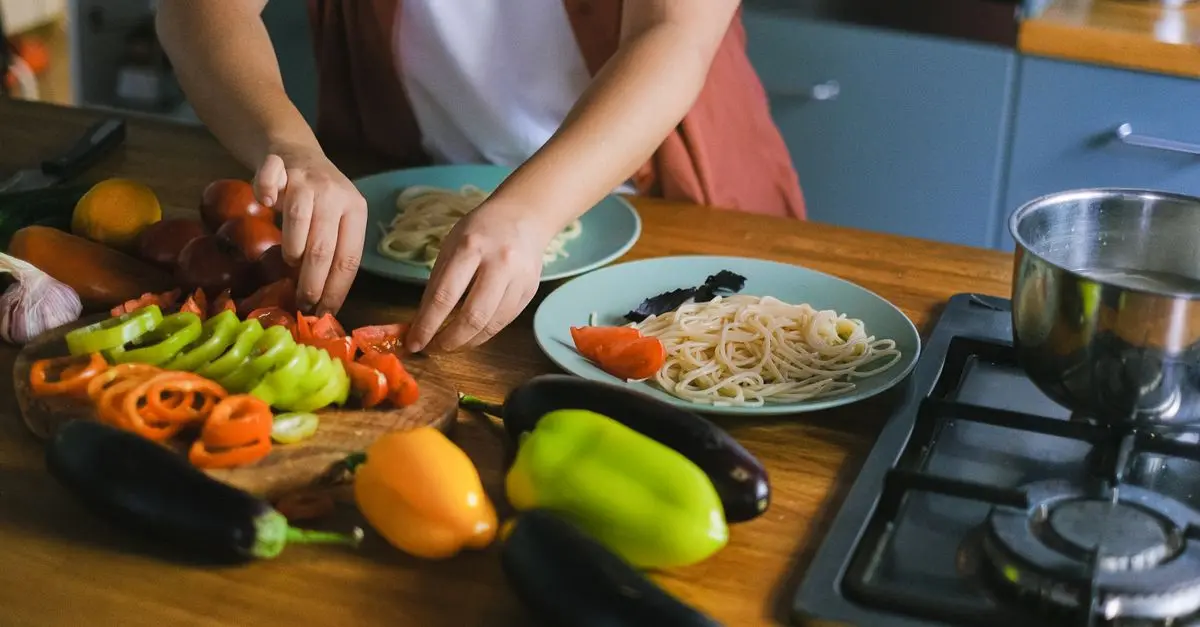
Meal planning is an excellent way to ensure you maintain a balanced and nutritious vegan diet. Start by designating a meal prep day each week where you create or prepare meals in advance. This not only saves time but also reduces the temptation to go back to non-vegan options when you’re hungry and pressed for time.
Utilise resources such as vegan cookbooks, online blogs, or meal planning apps designed for vegetarians and vegans. These can provide you with recipes based on seasonal ingredients, ensuring variety and freshness in your diet. Aim to incorporate diverse food groups — proteins, fats, carbohydrates, vitamins, and minerals — to meet all nutritional needs.
Common meal prep mistakes include failing to consider portion sizes or neglecting snacks. Ensure your meals are balanced and consider incorporating healthy vegan snacks like fruits, nuts, or vegan protein bars to avoid overindulgence on non-vegan foods.
5. Engaging with the Vegan Community
Transitioning to a vegan lifestyle can feel isolating at first, but engaging with the community can offer invaluable support. Look for local vegan groups via social media platforms or community centres. Participate in vegan meetups or cooking classes where you can learn from others.
Additionally, consider following vegan influencers on platforms like Instagram or TikTok. Many share tips, recipes, and motivation that can inspire your journey. They often highlight common pitfalls and solutions based on their experiences, making it relatable and practical.
Engaging with the community not only helps you stay motivated but also opens doors for new friendships and experiences centered around veganism.
6. Common Pitfalls and How to Avoid Them
While transitioning to veganism can be smooth, many encounter common pitfalls. One of the biggest is assuming that vegan equals healthy. Just because a product is plant-based doesn’t mean it’s nutritious — many processed vegan foods can still be high in sugars and unhealthy fats. Always check labels and aim for whole, minimally processed foods.
Another pitfall is meal monotony. If you fall into a routine of eating the same meals repeatedly, you may find yourself feeling deprived. Experimenting with new recipes, foods, and cuisines can keep your diet exciting.
Lastly, make sure you’re supplementing where necessary. Certain nutrients like Vitamin B12, iron, and omega-3 fatty acids need careful monitoring in vegan diets. Consider consulting a nutritionist who is experienced with veganism to help plan a balanced diet that meets all your needs.
Checklist for Embracing Veganism
- [ ] Research and understand veganism thoroughly.
- [ ] Prepare a meal plan for the week ahead.
- [ ] Stock your pantry with essential vegan staples.
- [ ] Engage with the vegan community for support.
- [ ] Monitor your nutrition and consider supplements if necessary.
Glossary
| Terme | Définition |
|---|---|
| Veganism | Une philosophie de vie qui évite l'exploitation animale dans tous les domaines. |
| Plant-based diet | Un régime alimentaire composé principalement de plantes, incluant légumes, fruits, grains et noix. |
| Nutritional yeast | Une source de protéines et de vitamines souvent utilisée par les vegans pour sa saveur fromagère. |
📺 For further exploration: Vegan Cooking Made Simple, a detailed analysis of how to prepare exciting vegan dishes. Search YouTube: "vegan cooking tutorials 2026".
🧠 Quick Quiz: What is the main purpose of embracing veganism?
- A) For weight loss
- B) To avoid animal cruelty
- C) To follow a trend
Answer: B — The primary goal of veganism is to reduce harm to animals.
📺 Pour aller plus loin : vegan cooking tutorials 2026 sur YouTube