Contents (23 sections)
Incorporating seasonal ingredients in your vegan meals is a fantastic way to enhance flavour, nutrition, and sustainability. Seasonal produce is often fresher, more flavoursome, and environmentally friendly since it doesn’t have to be transported long distances. This guide will help you navigate how to select and use seasonal ingredients effectively in your vegan cooking.
1. Understanding Seasonal Ingredients
What Are Seasonal Ingredients?
Seasonal ingredients refer to fruits, vegetables, grains, and legumes that are harvested at their peak ripeness, typically corresponding to specific seasons. For example, in the spring, you might find asparagus and peas, while autumn brings pumpkins and root vegetables. These ingredients not only taste better but also offer greater nutritional benefits when consumed at the right time.
Why Use Seasonal Ingredients?
Using seasonal produce supports local farmers and reduces carbon footprints due to less transportation. According to UFC-Que Choisir, seasonal products are often more affordable, as they do not require artificial environment controls or extensive shipping. By embracing seasonal cooking, you are not only elevating your meals but also consciously contributing to environmental sustainability.
2. Step-by-Step Guide to Incorporate Seasonal Ingredients
Step 1: Research Seasonal Produce
Start by researching which ingredients are in season in your region. You can utilise local farmers’ markets or online databases to find out what’s currently available. Many regions have specific charts or lists, making it easier to plan your meals. Knowing what’s in season will not only inform your meal prep but also inspire creativity in your cooking.
Step 2: Visit Local Farmers’ Markets
There’s no better place to find fresh and seasonal ingredients than your local farmers’ market. Interacting with farmers allows you to ask questions, understand the story behind your food, and often discover lesser-known produce. Look for vibrant colours, and fresh fragrances, and select items that are firm and free from blemishes. This not only supports local economies but also enriches your culinary experience.
Step 3: Plan Your Meals Around Seasonal Ingredients
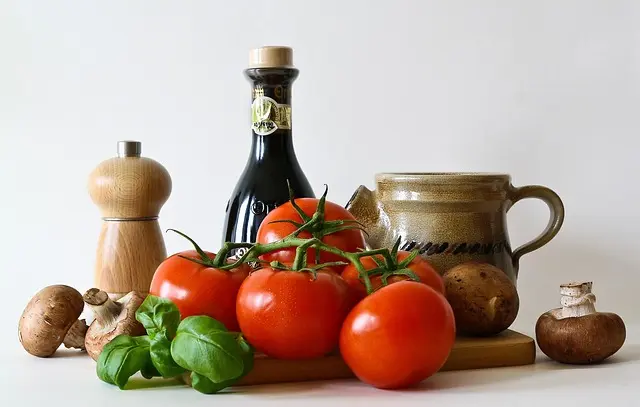
Once you have identified your seasonal ingredients, the next step is to design your meal plan around them. Consider creating dishes that showcase the produce while maintaining balanced nutrition. For example, pair vibrant spinach with earthy mushrooms and lentils or use summer tomatoes to make a fresh gazpacho. Planning meals ensures you maximise the use of the ingredients before they spoil.
Step 4: Experiment with New Recipes
Don’t hesitate to try new recipes that feature seasonal ingredients. Various cookbooks and blogs focus on seasonal cooking, providing inspiration and techniques that enhance your culinary skills. Engage with communities online or in social media platforms where seasonal cooking is celebrated. Sharing experiences can lead to learning exciting new methods or ingredients you may not have considered before.
Step 5: Preserve Seasonal Produce
If you find yourself with an abundance of seasonal produce, consider preserving it for later use. Techniques such as freezing, drying, or pickling allow you to enjoy the flavours of the season year-round. For instance, you can freeze summer berries to use in smoothies or jams during colder months. This practice facilitates the enjoyment of seasonal flavours beyond their natural harvest period.


Micro Ingredients, Lithium Orotate, 240 Vegetarian Capsule (5 mg per Capsule)
uk.iherb.com

3. Comparing Seasonal Ingredients with Out-of-Season Alternatives
| Criteria | Seasonal Ingredients | Out-of-Season Ingredients | Verdict |
|---|---|---|---|
| Taste | Fresher, more flavourful | Often bland and tasteless | Choose seasonal for flavour |
| Nutritional Value | Higher, better nutrient density | Decreased due to long storage | Seasonal is superior |
| Environmental Impact | Eco-friendly, less transport | Higher carbon footprint | Seasonal is more sustainable |
| Cost | Generally lower prices | Often pricier due to import | Save money with seasonal |
4. Benefits of Embracing Seasonal Cooking
Health Benefits
Eating seasonally not only benefits your tastebuds but also improves health. Seasonal fruits and vegetables have peak nutritional content. For instance, the Nutritional Science Journal highlights that consuming vegetables at their peak can significantly increase vitamin intake compared to those stored for long periods.
Environmental Impact
Supporting seasonal agriculture enhances sustainability. By choosing local, seasonal ingredients, you contribute to reducing the environmental impacts associated with long-distance transportation of food. This conscious effort helps in reducing greenhouse gas emissions, frying the planet’s sustainability.
📺 Resource Vidéo
> 📺 For a deeper dive: Exploring the Importance of Seasonal Ingredients, provides insights on how to adapt your cooking tools and techniques. Search on YouTube for: "seasonal ingredients vegan meals 2026".
5. Frequently Asked Questions
What are the best seasonal ingredients to use in winter?
In winter, root vegetables like carrots, potatoes, and parsnips are great options. Citrus fruits such as oranges and lemons also peak during this season.
How can I incorporate seasonal ingredients into desserts?
Utilising seasonal fruits like berries in summer desserts or pumpkin in autumn pies can enhance flavour and nutritional value.
Are frozen seasonal ingredients as good as fresh?
Frozen ingredients can be a viable alternative if they are picked and frozen at peak ripeness, preserving much of their nutritional content.
What if I can’t find seasonal ingredients local to my area?
Consider visiting multiple local markets or directly contacting local farms that may offer delivery services. Online farms also provide seasonal options directly to consumers.
Micro Ingredients, Lithium Orotate, 240 Vegetarian Capsule (5 mg per Capsule)
uk.iherb.com
Glossaire
| Terme | Définition |
|---|---|
| Saisonnalité | Pratique de consommer des aliments lors de leur période de récolte. |
| Agriculture durable | Mode d'agriculture qui répond aux besoins présents sans compromettre la capacité des générations futures à répondre aux leurs. |
| Produits locaux | Aliments cultivés à proximité du point de vente, réduisant le transport. |
Checklist avant achat
- [ ] Vérifier les ingrédients saisonniers disponibles
- [ ] Visiter le marché local pour la fraîcheur
- [ ] Planifier les repas en fonction des saisons
- [ ] Expérimenter de nouvelles recettes saisonnières
- [ ] Considérer les méthodes de préservation
Conclusion
Incorporating seasonal ingredients into your vegan meals transforms not only the taste but also the healthiness and sustainability of your cooking. It's an enriching way to engage with your food and the environment. Embrace this approach in 2026 for a higher quality of living and eating.
Explore our chosen products to assist in your seasonal cooking journey. Enhance your meals with beautifully curated vegan options that align with the seasonal ethos.
📺 Pour aller plus loin : seasonal ingredients vegan meals 2026 sur YouTube
Recommended products
Selected by our experts
Micro Ingredients, Lithium Orotate, 240 Vegetarian Capsule (5 mg per Capsule)
uk.iherb.com
Micro Ingredients, Lithium Orotate, 240 Vegetarian Capsule (5 mg per Capsule)
uk.iherb.com
Micro Ingredients, Lithium Orotate, 240 Vegetarian Capsule (5 mg per Capsule)
uk.iherb.com