Contents (10 sections)
Eating a vegan diet does not just mean removing animal products from your meals; it also offers a fantastic opportunity to embrace seasonal ingredients. Seasonal eating not only contributes to a varied and nutritious diet but also supports local farmers and reduces the carbon footprint associated with transporting food. In this guide, we will explore practical steps to incorporate seasonal ingredients into your vegan meals.
Why Seasonal Ingredients Matter
Seasonal ingredients refer to fruits, vegetables, grains, and other food items that are harvested at their natural peak time. Eating these foods comes with numerous benefits:
- Nutritional Value: Seasonal produce is often fresher, riper, and more flavourful. Foods harvested at their peak usually contain more nutrients. For instance, strawberries in June are sweeter and packed with nutrients compared to out-of-season options that may have lost their freshness.
- Cost Efficiency: Foods in season tend to be more abundant, leading to lower prices. According to a study by UFC-Que Choisir, seasonal fruits and vegetables can be up to 30% cheaper than those that are out of season.
- Environmental Impact: Eating local and seasonal reduces the need for long-distance transport, which contributes significantly to greenhouse gas emissions. By choosing seasonal ingredients, you play an essential part in combating climate change.
- Flavor: Seasonal ingredients offer unmatched flavours. Freshly picked produce has a taste that cannot be replicated, enhancing the overall experience of your meals.
Step 1: Know Your Seasons
The first step to successfully incorporating seasonal ingredients into your vegan meals is to understand which foods are in season at different times of the year. Here’s a simplified guide:
- Spring: Asparagus, peas, radishes, rhubarb, and leafy greens.
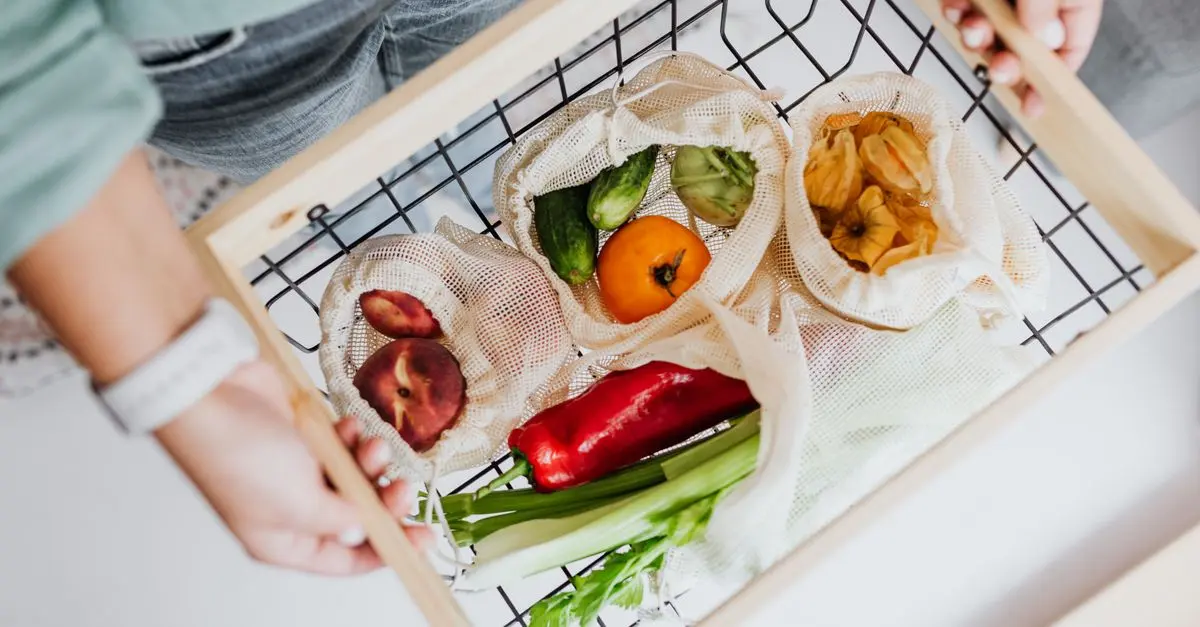
- Summer: Tomatoes, zucchinis, bell peppers, berries, and peaches.
- Autumn: Pumpkin, squash, apples, pears, and root vegetables.
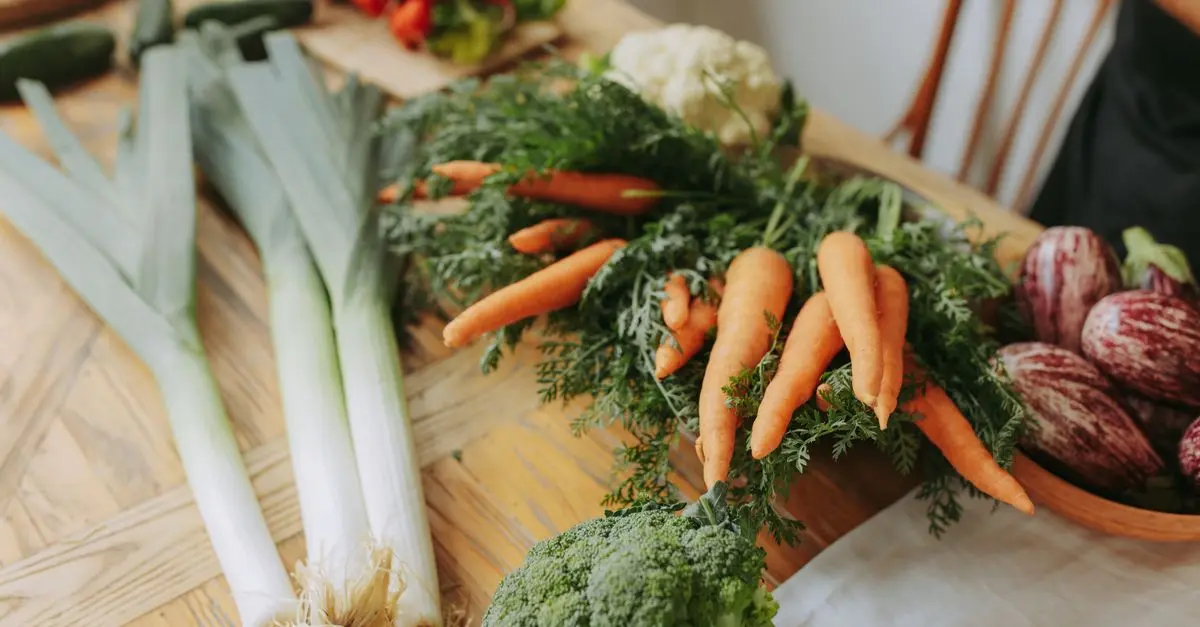
- Winter: Kale, Brussels sprouts, leeks, and citrus fruits.
Research local seasonal guides or resources provided by local farmers' markets to aid your planning.

P140 M24861 M27623 M28287 M46203 Small Carryall Cargo Denim Rendez-Vous Series, Drawing Inspiration From Seasonal Inspiration, Sho
Voghion Global
Step 2: Plan Your Meals
Once you know what’s in season, it’s time to plan your meals.
- Create a Weekly Menu: By listing out meals for the week based on seasonal ingredients, you can ensure a diverse diet. For example, you might plan a roasted squash soup for autumn evenings or a refreshing tomato salad during summer.
- Incorporate Variety: Try to include a mix of different colours and types of vegetables in each meal. This not only enhances the visual appeal but also ensures a broad spectrum of nutrients.
- Batch Cooking: Prepare large batches of meals and store them in the fridge or freezer for quick access during the week. For instance, a rich vegetable stew can be made with seasonal root vegetables and stored for a warm meal ready at hand.
Step 3: Shop Smart
Heading to the market or grocery store equipped with your seasonal list can greatly enhance your shopping experience. Here’s how:
- Visit Local Farmers’ Markets: These markets are a treasure trove of seasonal produce. Engage with farmers to learn about what they offer and how best to prepare their goods.
- Check Labels: If shopping at supermarkets, look for signs indicating seasonal products. Many stores are now promoting locally sourced produce, making it easier to shop according to the season.
- Adapt Recipes: Don’t be afraid to modify your favourite recipes based on seasonal offerings. Swap out vegetables that aren’t in season for those that are. For instance, switching broccoli for kale can maintain the nutritional profile while also embracing what’s available.
Step 4: Experiment with New Flavours
One of the joys of cooking with seasonal ingredients is the chance to experiment. Here are some tips:
- Try New Recipes: Each season brings a unique set of ingredients. Take this opportunity to explore new vegan recipes that incorporate these foods.
- Spice It Up: Pair seasonal ingredients with herbs and spices that complement their flavours. For example, summer tomatoes thrive with fresh basil, while winter root vegetables can be enhanced with warming spices like cumin and coriander.
- Share with Friends: Don’t keep all the fun to yourself. Organise cooking sessions with friends to share ideas and experiences, boosting your creativity.
Step 5: Preserve for the Off-Season
Once you become accustomed to using seasonal ingredients, consider ways to preserve them for future meals.
- Freezing: Blanch seasonal vegetables and store them in your freezer to enjoy their flavours all year round. This method works excellently with greens like spinach or kale.
- Canning: If you enjoy pickling, seasonal vegetables can be canned for later use. Cucumbers in summer transform into delightful pickles.
- Drying: Herbs can be dried and stored for adding flavor to dishes throughout the year. Use a dehydrator or dry them in a well-ventilated area.
Checklist before Cooking
- [ ] Research which ingredients are in season.
- [ ] Create a menu for the week, incorporating seasonal produce.
- [ ] Visit a local farmers’ market this week.
- [ ] Experiment with at least one new recipe.
- [ ] Have containers ready for freezing or preserving leftover ingredients.
Glossary
| Terme | Définition |
|---|---|
| Saisonnalité | La période de l'année où un produit agricole est récolté et disponible. |
| Agriculture Durable | Méthode de culture qui respecte l’environnement, garantit la santé des écosystèmes, et soutient les agriculteurs locaux. |
| Aliments Locaux | Produits alimentaires cultivés dans un rayon proche de leur lieu de vente. |
📺 Pour aller plus loin: Explore the benefits of seasonal eating, a comprehensive analysis of seasonal produce benefits. Search YouTube: "seasonal ingredients for vegan cooking 2026".
🧠 Quiz rapide : What is one benefit of using seasonal ingredients?
- A) Higher prices
- B) Lower nutritional value
- C) Better taste
Réponse : C — Seasonal ingredients are typically fresher and more flavourful.
📺 Pour aller plus loin : seasonal ingredients for vegan cooking 2026 sur YouTube
Recommended products
Selected by our experts
P140 M24861 M27623 M28287 M46203 Small Carryall Cargo Denim Rendez-Vous Series, Drawing Inspiration From Seasonal Inspiration, Sho
Voghion Global
This carry-all bag is perfect for gathering seasonal ingredients from the market.