Contents (14 sections)
Vegan meal prep is more than just a convenient way to ensure you have healthy meals ready for busy days. It significantly reduces food waste and can save you money in the long run. With a growing number of people transitioning to plant-based diets, the need for practical and easy-to-follow meal prep routines has never been more critical. Studies show that meal prepping can lead to healthier eating habits, helping to prevent impulsive buying and unhealthy snacking.
On a broader scale, the environmental benefits of veganism coupled with proper meal prep can contribute positively to our planet by lowering the carbon footprint associated with food waste and meat production. By adopting a structured approach to meal preparation, individuals can embrace a vegan lifestyle that is practical, sustainable, and beneficial to their health.
Step 1: Plan Your Meals
Before jumping into your meal prep, it’s essential to draft a detailed meal plan for the coming week. Begin by selecting recipes that incorporate a variety of ingredients to ensure a well-rounded intake of nutrients. Significantly, avoid time-consuming dishes during your preparation phase; instead, opt for simple recipes that can be batch-cooked efficiently.
A Practical Approach to Meal Planning
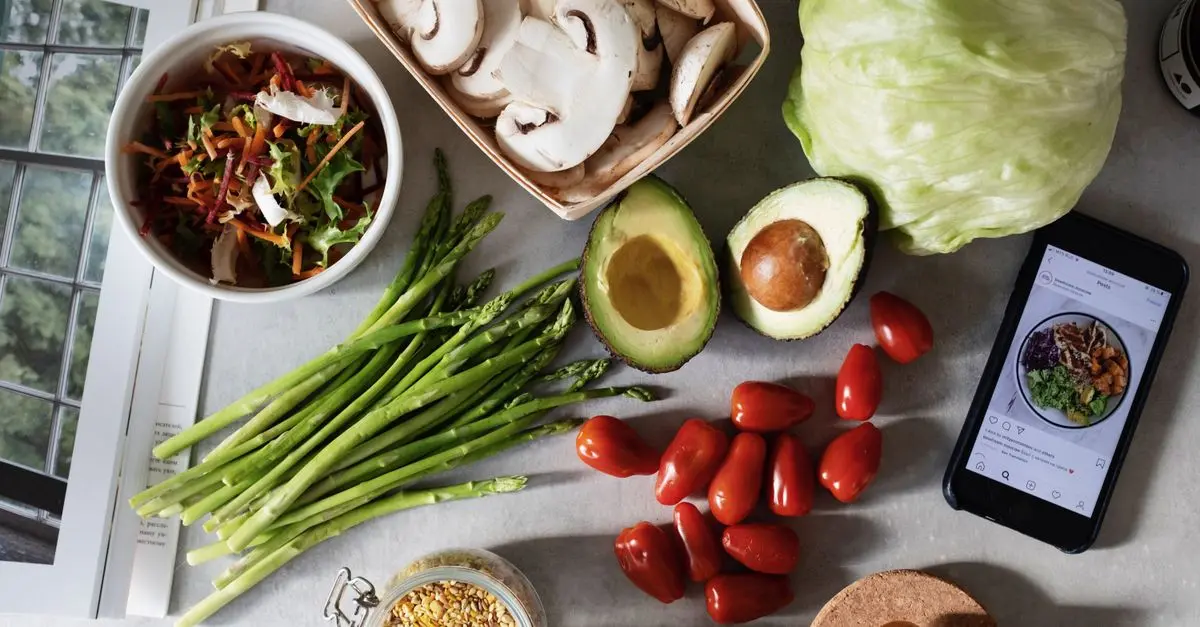
Gather a list of your favourite vegan recipes, focusing on those that are rich in protein and low in processed sugars. It's often helpful to use a meal planning app or template to keep your meals organised. For instance, allocate specific days for cooking grains or legumes, ensuring each meal utilizes them effectively.
With research indicating that planning your meals can lead to reduced food waste by up to 20%, this step is crucial. Additionally, it helps streamline your shopping list, allowing you to buy only what you need and avoid unnecessary impulse purchases.
Step 2: Shop with Purpose
Once your meal plan is outlined, it’s time to prepare your shopping list. Always start from your pantry and fridge to see what you already possess and determine what additional items you require. Buying in bulk can also be advantageous; items such as grains, legumes, and spices often come at a discount, helping save costs.
Making the Most of Seasonal Produce
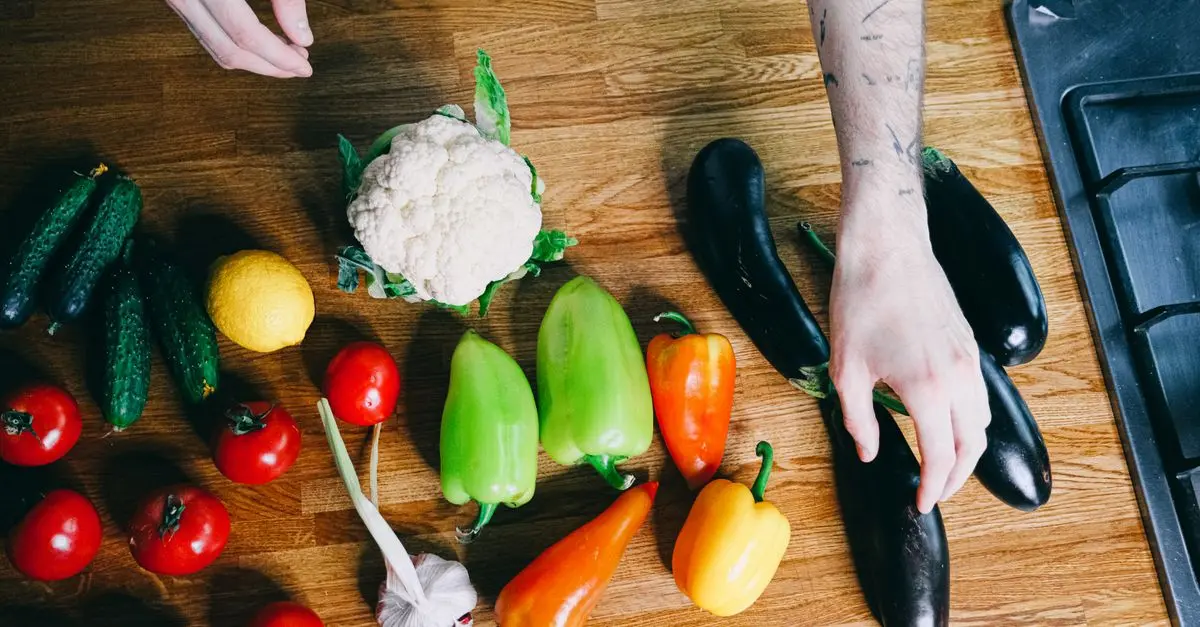
Focus on purchasing seasonal fruits and vegetables as they tend to be fresher, tastier, and cheaper. Consider local farmers' markets as an option – not only do you often find better prices, but you also support local agriculture. With the price of plant-based foods generally lower than their meat counterparts, embracing this lifestyle can be kinder to your wallet too.
![HQ Ltd Speedy BOSH [Hardcover], BOSH on a Budget, BOSH How to Live Vegan By Henry Firth and Ian Theasby 3 Books Collection Set](https://r.kelkoo.com/resize.php?country=uk&merchantId=100579016&categoryId=5101&trackingId=96965878&width=500&height=500&image=https%3A%2F%2Fcdn.shopify.com%2Fs%2Ffiles%2F1%2F0274%2F6482%2F6995%2Ffiles%2F51OmV4NT0PL.jpg%3Fv%3D1757071239&sign=rPEpiubP__zIRc5ZntHxdj0OOJ8DDWSyo0XpWfsbUWg-)
HQ Ltd Speedy BOSH [Hardcover], BOSH on a Budget, BOSH How to Live Vegan By Henry Firth and Ian Theasby 3 Books Collection Set
books4people.co.uk


vegan leather phone case for iphone X XS shockproof real leather business back cover free sample custom brand logo and gift box
Alibaba UK
Step 3: Prepare and Cook
On your designated meal prep day, allocate several hours for the cooking process. Begin with tasks that take the longest, such as roasting vegetables or cooking grains. Use multiple pots and pans to increase efficiency during cooking. Clustering similar cooking tasks will save time and energy; for instance, multitasking by steaming vegetables while a batch of quinoa is cooking.
Make larger quantities of versatile base items, like lentils or brown rice, as they can be used in various meals throughout the week. Once prepared, ensure that everything is cooled down before storing them in suitable containers. Using glass containers is ideal as they are generally more durable and better for reheating.
Step 4: Storing Your Meals
Storage is crucial for keeping your meals fresh throughout the week. When packing your meals into containers, consider portion sizes that align with your hunger levels. For example, using smaller containers for snacks and larger ones for mains, this will make it easier when you are on-the-go. Moreover, labelling your meals with dates can help you track freshness, ensuring that you consume them in a timely manner.
Ideal Containers for Meal Prep
Investing in quality meal prep containers is vital. Aim for containers that are both microwave and dishwasher safe. Additionally, eco-friendly options, like BPA-free or glass containers, can prevent harmful chemicals from leaching into your food. We have selected several products suited for vegan meal prep that can enhance your cooking and storage experience.
Step 5: Stay Organised
To maintain a successful vegan meal prep routine, it’s crucial to stay organised. Set reminders for meal planning each week and establish a prep day that fits into your routine. Developing a systematic approach will help you easily adhere to your diet.
Tracking your meals can also provide insights into your dietary intake and help identify areas for improvement, whether it be increasing protein or branching out with various vegetables. This conscious effort will not only make your vegan journey easier but also more rewarding.
Checklist for Successful Vegan Meal Prep
- [ ] Create a comprehensive meal plan.
- [ ] Prepare a detailed shopping list.
- [ ] Dedicate ample time for cooking.
- [ ] Store meals in appropriate containers.
- [ ] Set a regular day for meal prep.


Glossary
| Terme | Définition |
|---|---|
| Vegan Meal Prep | La préparation de repas à l'avance en respectant un régime végétalien. |
| Batch Cooking | Préparation d'une grande quantité de plat pour plusieurs repas. |
| BPA-Free | Produits qui ne contiennent pas le bisphénol A, un produit chimique potentiellement dangereux. |
📺 Resource Video
> 📺 For more insights: How to Efficiently Meal Prep for a Vegan Diet, an engaging exploration of effective meal prep strategies. Search on YouTube: "vegan meal prep tips 2026".
📺 Pour aller plus loin : vegan meal prep tips 2026 sur YouTube
Recommended products
Selected by our experts


Samsung ET-SHR96LBEGEU Smart Wearable Accessories Band Black Fluoroelastomer, Vegan leather
Back to the Office


ProElite (360 Tablets) Pure Caffeine Tablets 200mg Vegan Tablets Fat Loss
onbuy.com