Contents (15 sections)
Introduction
Starting your vegan journey is an exciting venture towards a more compassionate and healthier lifestyle. Whether motivated by ethical, environmental, or health reasons, transitioning to a vegan diet involves meaningful changes in choices about food and lifestyle. In this guide, we will elaborate on practical steps and strategies you can adopt to ease into veganism.
Step 1: Understanding Veganism
What is Veganism? Veganism is more than just the act of abstaining from animal products; it is a lifestyle choice aimed at reducing harm to animals and promoting environmental sustainability. According to a 2025 study by UFC-Que Choisir, adopting a vegan diet can reduce individual carbon footprints by up to 50%.
This initial understanding is crucial because it establishes the foundation of your motivation, guiding you through challenges. Realising that veganism encompasses various aspects—including ethical considerations and environmental impacts—can enhance your commitment.
Step 2: Educating Yourself on Plant-Based Nutrition
Before diving into veganism, educating yourself about plant-based nutrition is vital. A well-balanced vegan diet must include proteins, vitamins, and minerals found abundantly in plants. Key nutrients like Vitamin B12, Omega-3 fatty acids, iron, and protein often need special attention in a vegan diet.
Here’s how to get started:
- Read Books and Articles: Research reputable sources on vegan nutrition.
- Join Online Communities: Engage with existing digital platforms where experienced vegans share their journeys.
- Consult a Nutritionist: A professional can help you tailor your diet to meet nutritional needs.
Step 3: Making Gradual Changes
Transitioning abruptly can sometimes be overwhelming and counterproductive. Instead, consider making gradual changes. Start by eliminating animal products one at a time, such as meat first, followed by dairy and eggs.
Tips for gradual transition:
- Meat-Free Days: Implement ‘Meatless Mondays’ to gradually reduce your meat consumption.
- Explore Alternatives: Experiment with vegan substitutes for cheese, milk, and other animal products; numerous options exist today.
- Plan Meals: Dedicate time for meal planning, ensuring you have suitable vegan choices readily available.
Step 4: Stocking Your Kitchen with Vegan Staples
A successful vegan journey involves having the right supplies. Stocking your kitchen with essential vegan ingredients can ease the transition. Important staples include:
- Whole grains: Quinoa, brown rice, oats
- Legumes: Lentils, chickpeas, black beans
- Healthy fats: Olive oil, avocado, nuts
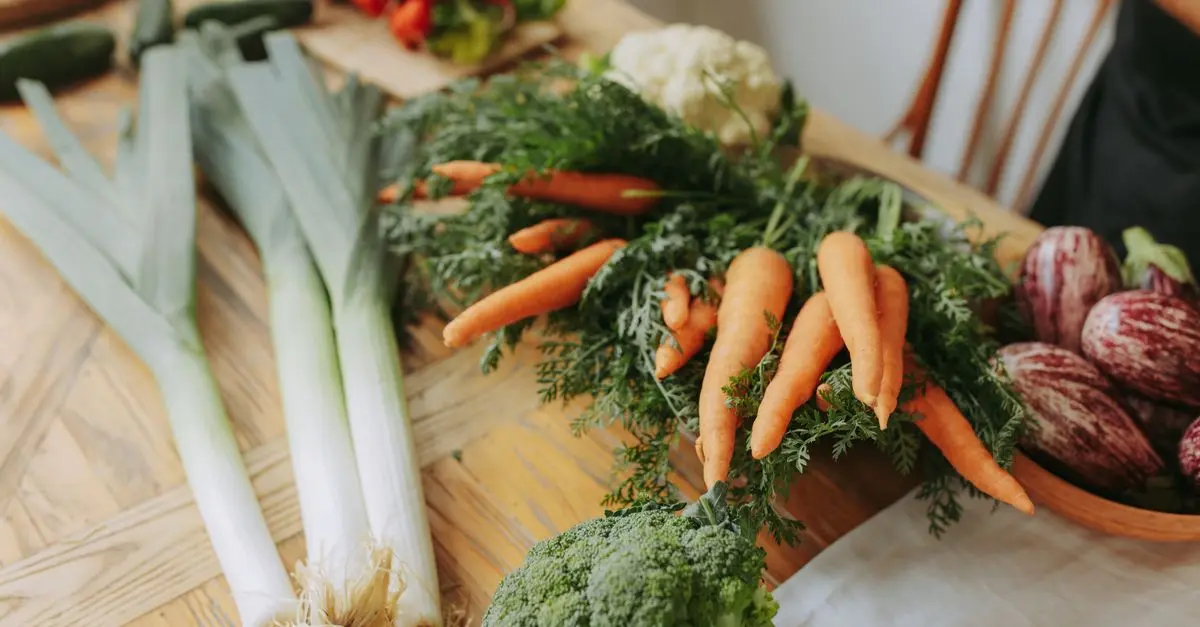
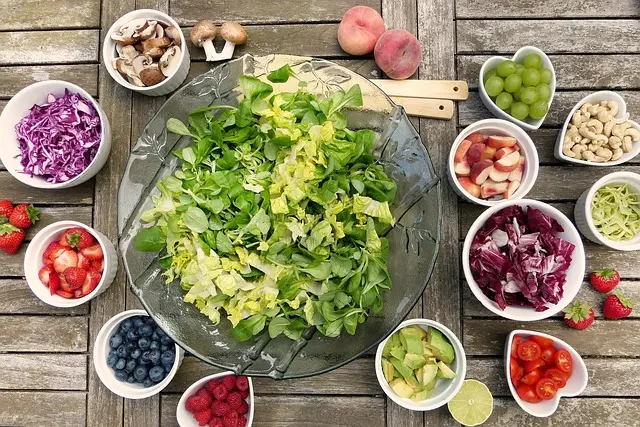
- Fruits and vegetables: Opt for seasonal produce for better quality and affordability.
This incorporates taste and ensures that you have versatile options available for meals.
Step 5: Exploring Vegan Recipes
Once your kitchen is stocked, the fun begins! Start exploring vegan recipes. You can find countless resources online and in cookbooks dedicated to vegan cuisine. Trying new recipes can inspire creativity and help you discover new favourite meals.
Some popular categories to explore include:
- Vegan Comfort Foods: Burgers, pizzas, and creamy pasta dishes.
- Delicious Desserts: Encourage cooking with natural sweeteners and plant-based ingredients.
- Quick and Easy Meals: Whip up stir-fries, salads, and smoothies that require minimal effort.
Step 6: Finding Community Support
Community plays an essential role in remaining motivated throughout your vegan journey. Engaging with others through community events or online forums can be beneficial. Consider joining local vegan groups or participating in online discussions. You can also invite friends or family members to accompany you on this journey, which can ease any apprehensions and strengthen bonds.
Finding your tribe can provide:
- Support and Encouragement: Others can share experiences, tips, and recipes.
- Group Activities: Attend vegan cooking classes or potlucks.
- Inspiration: Seeing others’ delectable dishes can inspire creativity in your own cooking.
Checklist for Transitioning to Veganism
- [ ] Research and understand veganism.
- [ ] Learn about plant-based nutrition.
- [ ] Decide on a gradual transition plan.
- [ ] Stock your kitchen with vegan staples.
- [ ] Explore and try vegan recipes.
- [ ] Seek support from communities.
Conclusion
Transitioning into veganism can significantly enhance your life and contribute to global sustainability. Remember, everyone’s journey is unique. Take your time, stay informed, and enjoy your culinary adventures. Embracing veganism has never been easier, with countless resources available to guide you along the way. For more tips and products to support your new lifestyle, be sure to check out our carefully selected recommendations below.
Glossary
| Terme | Définition |
|---|---|
| Veganisme | Mode de vie excluant les produits d'origine animale, tant dans l'alimentation que dans d'autres aspects de la vie. |
| Nutrition Végétale | Étude des nutriments et de leur interaction dans les aliments d'origine végétale. |
| Substitut Végétal | Produit conçu pour remplacer un aliment d'origine animale dans l'alimentation. |
📺 Pour aller plus loin : Introduction au Véganisme, une vidéo qui explore les bases et les motivations derrière un mode de vie végane. Recherchez sur YouTube : comment commencer un régime vegan.


Costway 4-Piece Luggage Set Journey Suitcase Set w/14" Luggage in Blue Blue
debenhams.com
Quiz rapide : Quel est l’un des principaux avantages d’un régime végétalien ?
- A) Une perte de poids rapide
- B) Réduction de l'empreinte carbone
- C) Un goût meilleur
Réponse : B — Adopter un régime végan aide à réduire les émissions de gaz à effet de serre associées à l’élevage.
📺 Pour aller plus loin : how to start a vegan diet 2026 sur YouTube
Recommended products
Selected by our experts