Contents (18 sections)
In recent years, the shift towards vegan cooking techniques has gained considerable momentum. Adopting a plant-based diet not only promotes health but also supports sustainable living. Understanding the techniques involved in vegan cooking is crucial for anyone wishing to create mouthwatering meals devoid of animal products. This guide will explore essential methods, practical tips, and common pitfalls to navigate as you embark on your culinary journey.
1. Understanding the Basics of Vegan Cooking
Before delving into specific techniques, it's important to grasp the fundamental principles of vegan cooking. This encompasses understanding nutrient-rich plant foods and how to enhance their flavours and textures. Common staples in vegan cooking include legumes, grains, tofu, and a wide variety of fruits and vegetables.
The Importance of Seasoning
One of the key aspects of satisfying vegan meals is mastering the art of seasoning. Unlike meat, which imparts strong flavours, plant-based ingredients often require added spices and herbs to enhance their taste. Using fresh herbs, spices, and even fermented products like miso can bolster the flavour profile of your dishes. For example, adding a hint of smoked paprika or nutritional yeast can create depth in stews and sauces.
💡 Pro Tip: Experiment with different spice combinations to find what complements your favourite dishes. For instance, combine cumin, coriander, and turmeric for a warm, earthy flavour in your curries.
2. Essential Techniques for Cooking Vegan Meals
Now that we understand the basics, let’s explore some essential vegan cooking techniques that will elevate your meals:
2.1 Sautéing and Stir-Frying
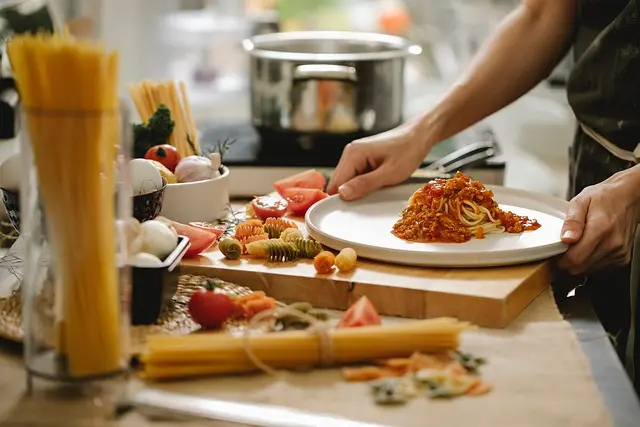
Sautéing vegetables quickly in a hot pan with a small amount of oil allows them to retain their nutrients and flavour. Stir-frying takes this a step further by incorporating various ingredients into one dish. Properly sautéed vegetables can add a delightful crunch and colour to your meals.
How to Sauté:
- Choose your vegetables: Opt for a variety of colours for not just aesthetics but also nutritional benefits.
- Heat a non-stick skillet: Preheat your pan over medium-high heat and add a splash of oil.
- Add vegetables: Once the oil shimmers, toss in your vegetables. Stir frequently to ensure even cooking.
- Season: Add salt, pepper, and any herbs or spices towards the end of cooking to lock in flavours.
- Avoid Overcrowding: Cook in batches if necessary, as overcrowding can steam the vegetables rather than sauté them.
2.2 Baking with Alternatives
Baking is not confined to animal products. There are numerous alternatives available that yield magnificent results in vegan baking. Ingredients like flaxseed meal, applesauce, and aquafaba (the liquid from canned chickpeas) are excellent substitutes for eggs.
Baking Tips:
- Experiment with Flours: Whole wheat, almond, and coconut flours can impart unique textures and flavours.
- Modify Recipes: When adapting non-vegan recipes, use online calculators to determine the equivalent of eggs or buttermilk.
- Monitor Baking Time: Vegan bakes may require different baking durations, so keep a close eye on your dishes.


Books/DVDs Rendering in Pen and Ink: The Classic Book on Pen and Ink Techniques for Artists, Illustrators, Architects and Designers : Book by Arthur
craftyarts.co.uk

Trebs 6 in 1 Snack Maker 700W Waffle Iron for Waffles, Doughnuts, Cake pops, Madeleine biscuits, Waffle Bowls, Mini cakes with Interchangeable Cooking
Boxed2me
3. Comparison of Cooking Methods
To better understand the different methods, here’s a comparison of three common cooking techniques:
| Technique | Description | Pros | Cons |
|---|---|---|---|
| Sautéing | Quick cooking using minimal oil | Retains nutrients; quick preparation | Requires constant attention |
| Baking | Cooking through dry heat | Versatile for sweet and savoury | Requires precise measurements |
| Steaming | Cooking with steam | Preserves nutrients and colours | Can be bland without seasoning |
4. Data and Trends in Vegan Cooking
The vegan cooking landscape has significantly evolved, with market research indicating that the global vegan food market was valued at USD 29.4 billion in 2020 and is projected to reach USD 74.2 billion by 2027, according to Research and Markets. This growth underscores the increasing demand for diverse and accessible vegan options, pushing chefs and home cooks alike to adopt innovative cooking techniques.
5. Frequently Asked Questions
Q1: What are the best protein sources for vegans?
A: Excellent sources of protein include lentils, chickpeas, quinoa, tofu, and edamame.
Q2: How can I make vegan meals more appealing?
A: Use vibrant vegetables, varied textures, and creative plating to enhance the visual and flavour appeal.
Q3: Can I bake without eggs?
A: Yes! Substitutes like flaxseed meal mixed with water or applesauce work well in most recipes.
Q4: What are some common mistakes in vegan cooking?
A: Overcooking vegetables, under-seasoning, and not balancing flavours can detract from your dishes.
Conclusion
Mastering vegan cooking techniques can greatly enhance your ability to create delicious, nutritious meals. By understanding the importance of seasoning, experimenting with various cooking methods, and utilising diverse ingredients, you can elevate your vegan dishes to satisfy any palate. Start embracing these techniques in your kitchen today!


L'Oréal Professionnel Blond Studio 8 Levels Multi Techniques Sachet 50g
sallybeauty.co.uk

📺 For further insights: Exploring Vegan Cooking Techniques, a detailed overview available on YouTube. Search for: 'advanced vegan cooking techniques 2026'.
Glossary
| Term | Definition |
|---|---|
| Aquafaba | The liquid from canned chickpeas, used as a vegan egg substitute. |
| Nutritional Yeast | A deactivated yeast high in protein and vitamins, adds a cheesy flavour. |
| Flaxseed Meal | Ground flaxseeds used as an egg replacement in baking. |
Checklist for Successful Vegan Cooking
- [ ] Gather essential ingredients (grains, legumes, vegetables)
- [ ] Experiment with seasonings and spices
- [ ] Practice different cooking techniques (sautéing, baking, etc.)
- [ ] Monitor cooking times closely
- [ ] Adjust recipes as needed for vegan substitutions
Recommended Products:
- - - - ---
📺 Pour aller plus loin : advanced vegan cooking techniques 2026 sur YouTube
Recommended products
Selected by our experts