Contents (16 sections)
In recent years, the popularity of a vegan lifestyle has soared, driven by awareness of health, environmental sustainability, and animal welfare. A major concern for those transitioning to a vegan diet is protein intake. Understanding various vegan protein sources can help ensure a balanced, nutritious diet. In this article, we’ll explore the top ten sources, providing insights on each to enhance your meals.
1. Quinoa: The Complete Protein
Quinoa, often regarded as a superfood, is not only versatile and delicious but also a complete protein. This means it contains all nine essential amino acids that our bodies cannot produce. With approximately 8 grams of protein per cooked cup, quinoa can be an excellent base for salads, bowls, or even breakfast porridge. Its naturally gluten-free profile makes it suitable for various dietary preferences.
2. Lentils: The Protein Powerhouse
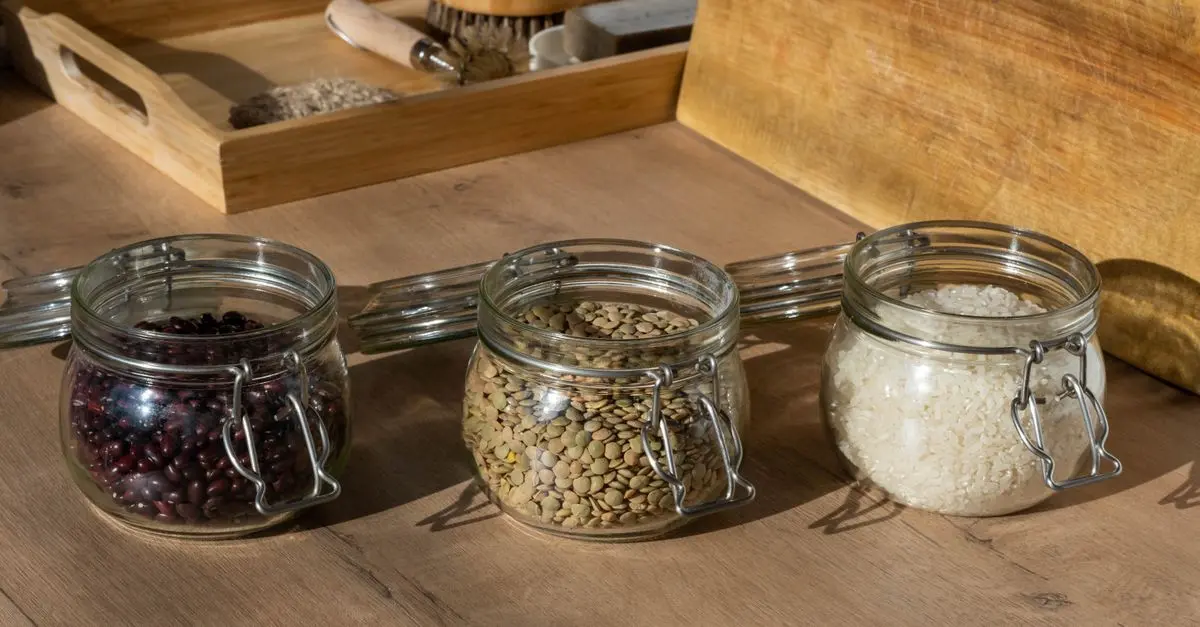
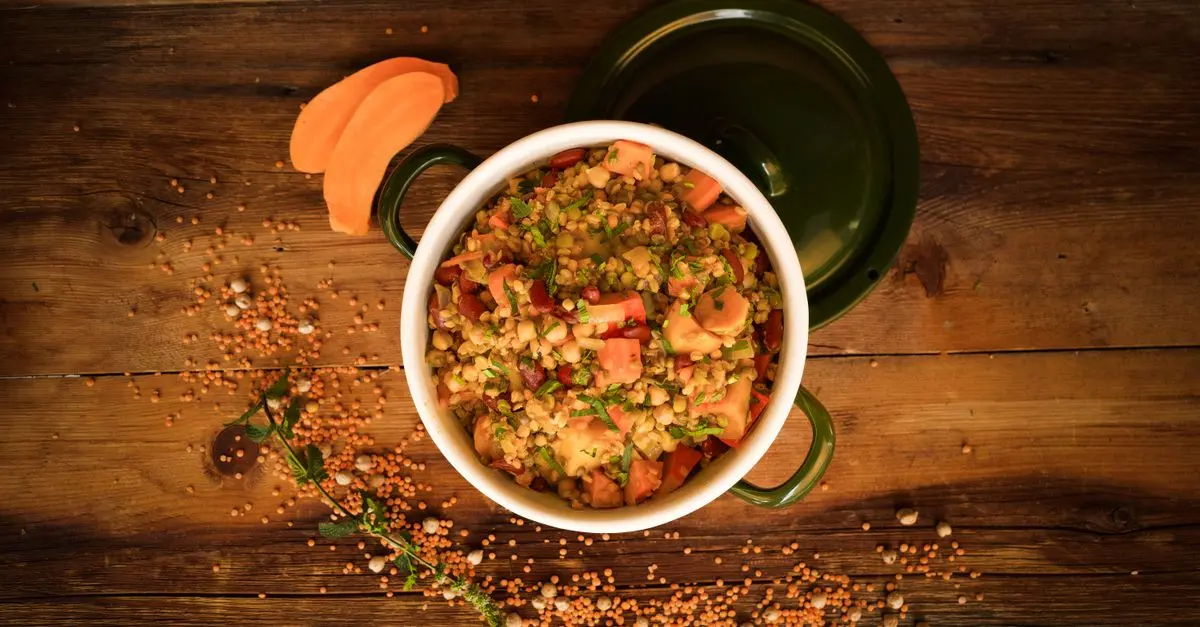
Lentils are one of the best plant-based protein sources, packing about 18 grams of protein per cooked cup. They are also rich in fibre, vitamins, and minerals, which contribute to heart health. Available in several types—green, brown, and red—lentils can be used in soups, stews, and salads. Additionally, they are inexpensive and easy to cook, making them a staple in many vegan kitchens.
3. Chickpeas: Versatile and Tasty
Chickpeas, or garbanzo beans, provide around 15 grams of protein per cooked cup. Not only are they a fantastic protein source, but they are also incredibly versatile. You can toss them in salads, blend them into hummus, or roast them for a crunchy snack. Their high protein and fibre content can help keep you feeling full longer, making them a great option for weight management.
4. Tofu: The Soy Wonder
Tofu is a classic plant-based protein that offers about 20 grams of protein per cup, depending on its firmness. Made from soy milk, tofu is an excellent source of iron and calcium as well. It can absorb flavours well, allowing it to be cooked in a variety of ways, whether stir-fried, grilled, or added to smoothies. Its versatility makes it a fantastic meat alternative in many dishes.
5. Tempeh: The Fermented Alternative
Tempeh is another soy-based product that boasts about 30 grams of protein per cup. It is a fermented food, meaning it also contains probiotics, which are beneficial for gut health. Tempeh has a nuttier flavour compared to tofu and can be sliced, crumbled, or diced to be used in a variety of recipes, from curries to sandwiches.
6. Chia Seeds: Tiny but Mighty
Chia seeds might be small, but they pack a hefty protein punch, containing about 5 grams of protein per 2 tablespoons. They are also an excellent source of omega-3 fatty acids, which are vital for brain health. When mixed with liquids, chia seeds swell and create a gel-like texture. They can be added to smoothies, oatmeal, or used to make chia pudding, providing a nutritious boost to your vegan meals.
7. Peas: The Often Overlooked Source
Green peas are surprisingly high in protein, offering about 8 grams per cooked cup. They also contain important vitamins like vitamin K and A. Peas can be incorporated into many dishes, from soups to pasta, or even pureed to make spreads or dips. Their sweet flavour makes them appealing to many, including those new to veganism.
8. Nutritional Yeast: The Cheesy Vegan Staple
Nutritional yeast is a deactivated yeast that is often fortified with B12, making it a valuable supplement for vegans. It provides about 8 grams of protein per 2 tablespoons and has a cheesy, nutty flavour that enhances dishes like popcorn, pasta, and sauces. This can be particularly useful for those missing cheese in their diet.
9. Hemp Seeds: A Protein and Omega-3 Duo
Hemp seeds are another exceptional source of plant-based protein, providing around 10 grams of protein per 3 tablespoons. They're also rich in essential fatty acids, including omega-3 and omega-6, which are important for heart health. Add hemp seeds to smoothies, salads, or energy bars for a nutritious boost. Their nutty flavour makes them a delightful addition to many meals.
10. Almonds: The Protein-Rich Snack
Almonds contain approximately 6 grams of protein per ounce and are also packed with healthy fats, making them a great snack option. They’re high in vitamin E, magnesium, and fibre, which can support heart health and weight management. Almonds are versatile—they can be eaten raw, roasted, or transformed into almond butter, adding protein to smoothies, spreads, and more.
📺 Resource Video
> 📺 For further exploration: Best Vegan Protein Sources, a detailed look into plant-based diets. Search on YouTube: "top vegan protein sources 2026".
Comparison of Vegan Protein Sources
| Vegan Protein Source | Protein per Serving | Additional Benefits | Common Uses |
|---|---|---|---|
| Quinoa | 8 g | Complete protein | Salad base |
| Lentils | 18 g | High in fibre | Soups, stews |
| Chickpeas | 15 g | Versatile | Salads, hummus |
| Tofu | 20 g | Iron & calcium | Stir-fry, smoothies |
| Tempeh | 30 g | Contains probiotics | Sandwiches |
| Chia Seeds | 5 g | Omega-3s | Puddings, smoothies |
| Peas | 8 g | Rich in vitamins | Pureed dips |
| Nutritional Yeast | 8 g | B12 fortified | Sauces, popcorn |
| Hemp Seeds | 10 g | Omega fatty acids | Smoothies, salads |
| Almonds | 6 g | Healthy fats | Snacks, butters |
Glossary
| Terme | Définition |
|---|---|
| Amino Acids | Building blocks of proteins, essential for body functions. |
| Plant-Based Diet | Diet primarily composed of foods derived from plants. |
| Fortified Foods | Foods that have nutrients added to them, such as B12 in nutritional yeast. |
Checklist before shopping
- [ ] Include a variety of protein sources.
- [ ] Check for fortified foods to meet nutritional needs.
- [ ] Experiment with different recipes.
- [ ] Look for organic options when possible.
- [ ] Assess personal dietary preferences and restrictions.
Incorporating these vegan protein sources into your diet not only helps ensure you meet your protein needs but also opens up a world of culinary possibilities. Whether you're a lifelong vegan or just starting your journey, exploring these foods will enhance your meals and overall nutrition.
💡 Expert Opinion: Consuming a wide range of vegan protein sources can help you get all essential amino acids while keeping your meals exciting and flavourful. Experimenting with different combinations will ensure you enjoy a healthy and balanced vegan diet!