Contents (16 sections)
Veganism has gained significant traction over the past few years, with more people embracing plant-based diets for health, environmental, and ethical reasons. However, along with its rise in popularity, a plethora of misconceptions have emerged. In this section, we will define veganism and explain the context surrounding these myths.
Veganism refers to the practice of abstaining from the use of animal products, especially in diet. This includes meat, dairy, eggs, and sometimes extends to other animal-derived substances like honey. The reasons people choose veganism vary widely and can include concerns over animal rights, environmental sustainability, and personal health. Contrary to some common beliefs, a vegan diet can provide all the necessary nutrients for a healthy lifestyle when planned correctly.
A comprehensive study released by The Vegan Society in 2021 indicated that the number of vegans in the UK had risen to 1.5 million, reflecting a growing awareness of the health and environmental benefits associated with plant-based eating. Despite this increase, many still cling to outdated or inaccurate notions about what it means to live vegan. For instance, some think that vegan diets are inherently unhealthy or lack protein. In reality, a well-structured vegan diet is rich in vitamins, minerals, and protein sources, debunking the first of many vegan myths.
Common Vegan Myths
There are several widespread myths that can deter individuals from exploring veganism. Let’s break down some of the most persistent misconceptions:
- Vegan Diets Are Nutritionally Deficient: A common belief is that vegans cannot obtain all necessary nutrients from their diet. This myth stems mainly from the assumption that avoiding animal products leads to deficiencies in proteins, vitamins, and minerals. However, various plant-based foods like lentils, beans, tofu, nuts, and seeds are excellent sources of protein. Furthermore, whole grains, fruits, and vegetables contribute significantly to a balanced diet. Research shows that well-planned vegan diets can support health at all life stages.
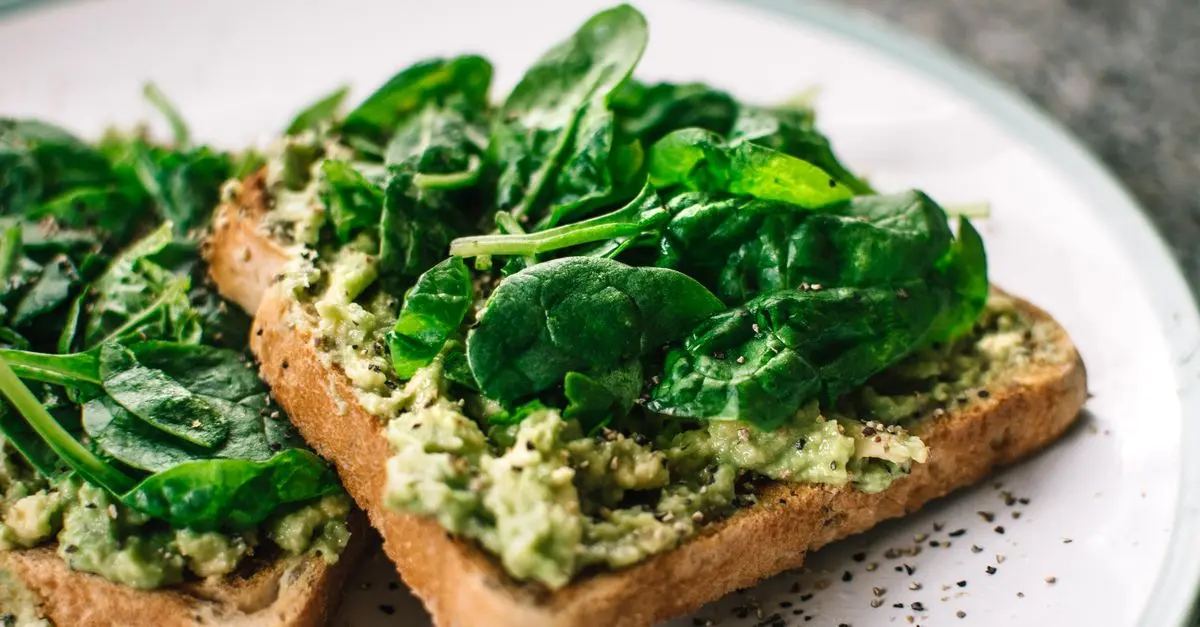
- Vegans Only Eat Salads: Another stereotype is that vegans primarily consume salads and bland foods. This couldn't be further from the truth. Vegan cuisine is incredibly diverse, with a multitude of flavours, textures, and dishes from around the world. From hearty vegan burgers to creamy pasta dishes, vegan meals can be just as satisfying and indulgent as any non-vegan options.
- Veganism Is Too Expensive: There's a perception that vegan diets are costly because of specialty products. While it's true that some vegan products can be pricey, staples like beans, grains, and seasonal vegetables are often quite affordable. With careful meal planning and preparation, individuals can maintain a vegan diet within a reasonable budget. UFC-Que Choisir reported that a plant-based diet could be more cost-effective than one relying heavily on meat and dairy.
- Vegans Can’t Build Muscle: The myth that protein only comes from animal products is misleading. Studies have shown that athletes can thrive on a plant-based diet, obtaining sufficient protein from plant sources. Notable athletes such as Venus Williams and Scott Jurek have adopted vegan diets and seen remarkable success in their respective fields.
How to Transition to a Vegan Diet
If you're considering becoming vegan, learning how to make the transition effectively is crucial. Here’s a step-by-step guide to help ease into veganism:
Step 1: Educate Yourself
Understanding the nutritional needs of a vegan diet is essential. Learn about the various plant-based foods and how they can meet your dietary needs. Resources such as The Vegan Society or plant-based cookbooks can be instrumental in your education.
Step 2: Start Gradually
Instead of going cold turkey, consider reducing your meat and dairy consumption gradually. For example, you could start with 'Meatless Mondays'. This gradual approach can help you adjust both physically and mentally to new foods.
Step 3: Experiment with Recipes
Explore the vast array of vegan recipes available online or through cooking apps. Experimenting will help you discover what you love in your new diet and can make the transition more enjoyable.
Step 4: Meal Prep
Planning your meals can make it easier to maintain a vegan diet. By preparing meals in advance, you’ll be less tempted to revert to non-vegan options during busy days. Stock your kitchen with staples like lentils, rice, fruits, and vegetables.
Step 5: Join a Community
Engaging with others who are also transitioning or have been vegan for a while can provide vital support and encouragement. Consider joining local vegan groups or engaging with online communities.
Comparative Analysis of Nutritional Sources
Here’s a comparison table of various protein sources available for vegans versus non-vegans:
| Nutrient Source | Vegan Source | Non-Vegan Source | Protein Content (per 100g) |
|---|---|---|---|
| Lentils | 9g | Beef | 26g |
| Chickpeas | 9g | Chicken | 24g |
| Tofu | 8g | Greek Yogurt | 10g |
| Quinoa | 4g | Eggs | 13g |
| Almonds | 21g | Cheddar Cheese | 25g |
Expert Opinions
> 💡 Expert Insight: Vegan nutritionist Dr. Jane Goodbody highlights, "A well-planned vegan diet can not only meet all nutritional requirements but can also lead to improved health metrics, including lower cholesterol levels and better weight management. The key is balance and variety."
FAQs About Vegan Myths
Q1: Can you get enough protein on a vegan diet?
A: Yes, it’s completely possible to obtain sufficient protein from various plant-based sources such as legumes, nuts, seeds, and whole grains.
Q2: Are vegan diets expensive?
A: Vegan diets can be budget-friendly. Staples like beans, grains, and seasonal fruits and vegetables are often less expensive than meat and dairy products.
Q3: Do vegans eat carbs?
A: Absolutely! Many vegans enjoy a wide variety of whole grains, fruits, and vegetables, all of which are excellent sources of carbohydrates.
Q4: Is it challenging to get vitamin B12 as a vegan?
A: Vitamin B12 can be a concern for vegans, as it is primarily found in animal products. Vegans are encouraged to consume fortified foods or consider supplementation.
📺 Video Resource
> 📺 For further exploration: *