Contents (16 sections)
Cooking vegan dishes can be both delightful and rewarding, particularly when you master the essential cooking techniques that elevate your dishes to new heights. Often, beginners feel overwhelmed with the transition to a vegan lifestyle, but understanding key cooking methods can make the process simpler and more enjoyable. In this article, we’ll be exploring ten must-know vegan cooking techniques that will help you create a wide variety of delicious meals.
1. Mastering the Art of Sautéing
Sautéing is a fundamental cooking technique that involves cooking food quickly in a small amount of oil over high heat. This method is perfect for vegan cooking as it retains the flavour and nutrients of vegetables while adding a nice caramelised touch. Begin by heating a pan until it is hot, then add your oil followed by your chopped vegetables. Stir frequently to prevent burning, and cook until they are tender yet crisp. Practising this technique allows for a variety of meal options, from simple vegetable stir-fries to more complex dishes like vegan paella.
2. The Perfect Simmering Technique
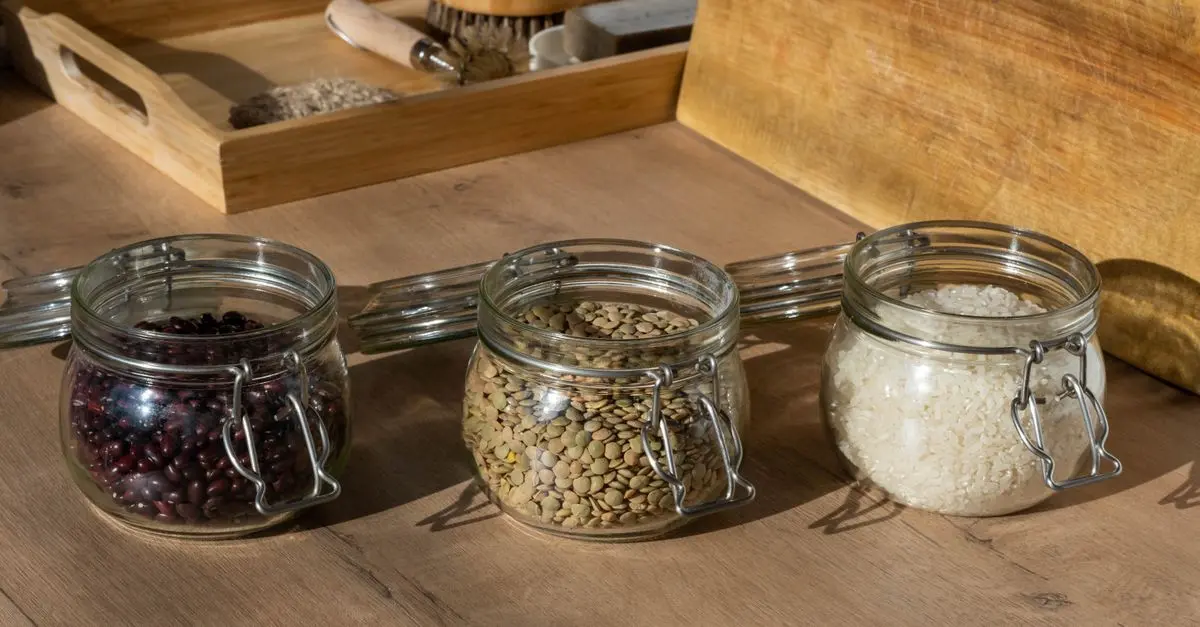
Simmering is a technique often used in soups and stews, where you cook food in liquid at a temperature just below boiling. For vegan soups, simmering helps to blend flavours harmoniously, particularly when using ingredients such as lentils or beans. Start by bringing your liquid to a boil, then reduce the heat to maintain a gentle simmer. This allows your ingredients to soften and release their flavours fully. Remember that timing is key—overcooking can lead to mushy textures.

Trebs 6 in 1 Snack Maker 700W Waffle Iron for Waffles, Doughnuts, Cake pops, Madeleine biscuits, Waffle Bowls, Mini cakes with Interchangeable Cooking
Boxed2me


Books/DVDs Rendering in Pen and Ink: The Classic Book on Pen and Ink Techniques for Artists, Illustrators, Architects and Designers : Book by Arthur
craftyarts.co.uk
3. Baking for Vegan Treats
Baking might seem daunting, but it’s a fantastic way to create delicious vegan treats without animal products. Knowing how to substitute eggs with flaxseed meal or applesauce can result in a delightful vegan cake or cookies. Additionally, exploring different flours, such as almond or coconut flour, can lead to healthier alternatives. When baking, keep an eye on the oven temperature and always do a toothpick test to ensure your treats are thoroughly cooked yet moist.
4. Exploring Steaming
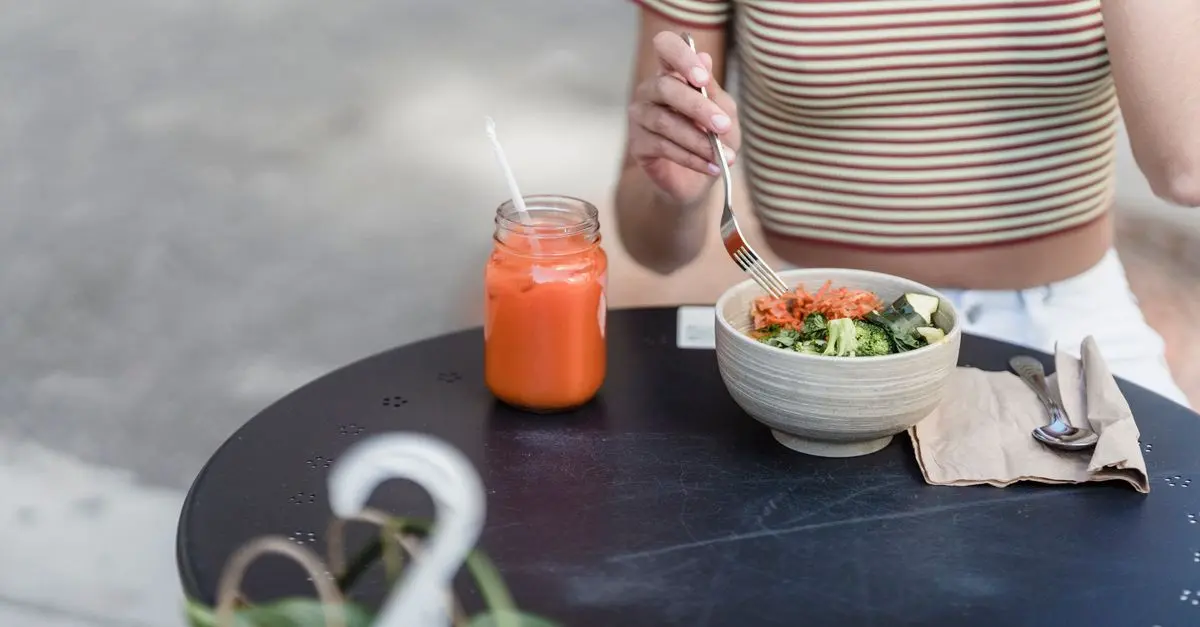
Steaming is a gentle method that retains the nutrients and natural colour of vegetables while enhancing their flavour. It’s an excellent technique for cooking leafy greens or broccoli. To steam, simply place water in a pot and let it boil while your vegetables are placed in a steamer basket above the boiling water. Cover and cook until tender. Steamed vegetables can be enjoyed on their own or used as a side dish, perfect for fulfilling your daily vegetable intake.
5. Fermentation Basics
Fermentation is not just a trend but a traditional cooking method that can transform ordinary ingredients into flavoursome dishes. Vegan fermenting improves digestive health and adds exciting flavours to meals. Start by fermenting simple vegetables like cabbage into sauerkraut or cucumbers into dill pickles. The process may seem lengthy, but the flavours develop over time, resulting in delicious probiotic-rich additions to any meal.
6. Roasting to Bring Out Flavour
Roasting is ideal for caramelising fruits and vegetables naturally, adding depth and richness. When roasting, the dry heat of the oven intensifies the natural sugars within the food. Cut your vegetables into even-sized pieces, toss in olive oil, seasoning, and spread them evenly on a baking tray. Roast at a high temperature (around 200°C) for approximately 20-30 minutes, turning occasionally, until golden and tender. A mix of roasted root vegetables can serve as a perfect base for many vegan dishes.


L'Oréal Professionnel Blond Studio 8 Levels Multi Techniques Sachet 50g
sallybeauty.co.uk

7. The Art of Blanching
Blanching involves briefly cooking vegetables in boiling water and then immediately plunging them into ice water to stop the cooking process. This technique locks in vibrant colours and crunchiness, making it especially useful for meal prep. Blanched vegetables can be stored in the fridge, perfect for adding to salads or stir-fries later in the week. This method helps in preserving nutrients while giving you beautiful, crispy vegetables.
8. Creating Flavourful Stocks
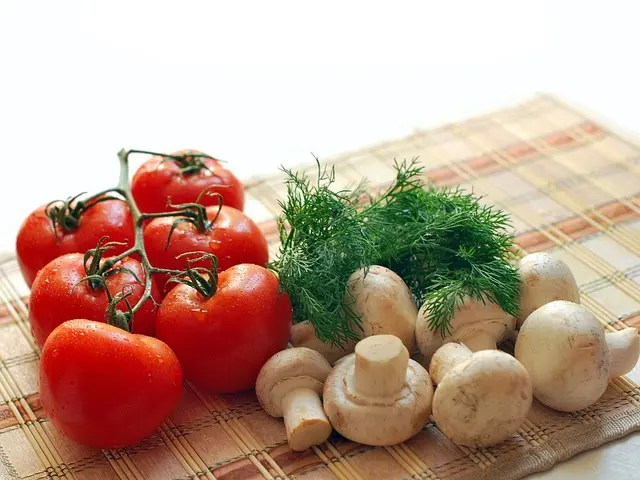
A good stock is the backbone of countless dishes, and making your own vegan stock can elevate soups and risottos to another level. Start with a base of onions, garlic, and a combination of vegetables such as carrots, celery, and herbs. Simmer them in water for an hour, then strain to leave a rich, flavourful liquid. A homemade stock allows you to control the salt and enhance the umami flavours in your dishes, making it a useful skill for any cook.
9. Grilling Veggies
Grilling adds a delightful smoky flavour to vegetables, making it an essential technique, especially in the summer. For grilling, select firm vegetables like peppers, courgettes, and eggplants. Utilize a grill pan or outdoor grill, preheat it, and lightly brush your vegetables with oil to prevent sticking. Grill until charred and tender for a delicious addition to salads, wraps, or as a main dish.
10. Raw Food Preparation
Raw food cooking emphasises unprocessed and uncooked dishes that preserve nutrients and enzymes in food. Prepare raw meals by incorporating fresh vegetables, nuts, seeds, and whole grains. Techniques such as marinating, blending, and spiralising can create amazing textures and flavours. Raw vegan dishes like zucchini noodles or avocado salads offer a nutritious, fresh meal option.
Checklist before You Start
- [ ] Understand the basics of sautéing and simmering.
- [ ] Experiment with vegan baking and substitutions.
- [ ] Practice steaming and blanching regularly.
- [ ] Try your hand at fermentation for flavour enhancement.
- [ ] Roasting and grilling should become part of weekly meal prep.
Glossary
| Terme | Définition |
|---|---|
| Sautéing | Cuisson rapide à haute température avec peu de matière grasse. |
| Fermentation | Méthode de conservation alimentaire par transformation microbienne. |
| Blanchiment | Technique pour cuire brièvement avant de refroidir rapidement. |
📺 Ressource Vidéo
> 📺 Pour aller plus loin : Techniques de cuisson vegan pour découvrir des méthodes faciles et rapides à essayer. Recherchez sur YouTube : "vegan cooking techniques 2026".
Conclusion
Maîtriser ces techniques de cuisson vegan vous permettra non seulement de diversifier vos repas mais aussi d'accroître votre confiance en cuisine. Avec un peu de pratique et d'expérimentation, vous serez en mesure de créer des plats vibrants et délicieux qui raviront vos papilles et impressionneront vos amis.
Quizz rapide :
> 🧠 Quel est l'avantage principal du blanchiment ?
> - A) Améliorer le goût
> - B) Conserver la couleur et la croquant
> - C) Ajouter des calories
> Réponse : B — Le blanchiment préserve la couleur et la croquant des légumes.
📺 Pour aller plus loin : vegan cooking techniques 2026 sur YouTube
Recommended products
Selected by our experts