Contents (17 sections)
A vegan diet eliminates all animal products, including meat, dairy, and eggs, focusing instead on plant-based foods. It is essential to understand the nutritional benefits of a vegan diet as many people make the switch due to health, ethical, or environmental reasons. Evidence suggests that a well-planned vegan diet can offer all the essential nutrients needed for maintaining good health while reducing the risk of common diseases such as heart disease, diabetes, and obesity. Studies show that vegans tend to have lower body mass indexes (BMIs), healthier cholesterol levels, and lower blood pressure compared to their omnivorous counterparts. This article delves into these nutritional advantages, synthesising available scientific data and expert opinions.
Key Nutrients in a Vegan Diet
When considering the nutritional benefits of a vegan diet, one must focus on key nutrients that are often scarce in plant-based foods. These include protein, iron, vitamin B12, calcium, omega-3 fatty acids, and zinc.
Protein
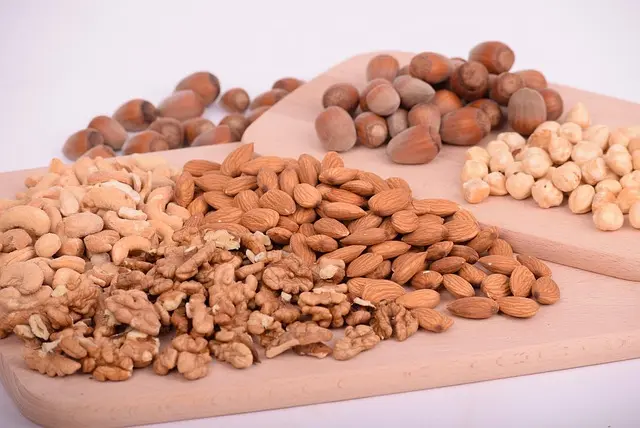
Despite common misconceptions, obtaining sufficient protein on a vegan diet is entirely feasible. Sources of plant-based proteins include legumes (such as lentils, chickpeas, and beans), quinoa, nuts, seeds, and soy products like tofu and tempeh. For instance, a cup of cooked lentils provides around 18 grams of protein, making them a valuable resource for anyone seeking to meet their dietary requirements.
Iron and Vitamin B12
Iron is crucial for carrying oxygen in the blood, and although it is found in plant foods like spinach and lentils, it is less readily absorbed compared to iron from animal sources. Therefore, vegans are encouraged to consume vitamin C-rich foods alongside iron-rich sources to enhance absorption. Vitamin B12, however, is primarily found in animal products, thus vegans must consider fortified products or supplements to avoid deficiency, which can lead to serious health issues such as anaemia.
Calcium
Calcium is vital for maintaining healthy bones and teeth. Vegans can obtain calcium from fortified plant milk, leafy green vegetables, and tofu. A study indicated that individuals consuming fortified soy milk had similar calcium levels to those consuming dairy, hence allowing them to meet their daily requirements effectively.
Omega-3 Fatty Acids and Zinc
Omega-3 fatty acids, which are important for cardiovascular health, can be sourced from chia seeds, flaxseeds, and walnuts. Zinc, essential for immune function, can be found in legumes, seeds, and nuts.
By ensuring a varied and balanced vegan diet, one can adequately meet their nutritional needs.
Health Benefits of a Vegan Lifestyle
Adopting a vegan lifestyle not only provides nutritional benefits but also promotes overall health advancements. According to the American Dietetic Association, well-planned vegan diets are nutritionally adequate and can support healthy living at every stage of life.
A significant health advantage is the reduction of chronic diseases. Research published in the Journal of the American Heart Association highlights that individuals following a vegan diet experienced a 40% lower risk of heart disease compared to non-vegans. This is attributed to lower cholesterol levels, reduced blood pressure, and improved blood sugar control.
Moreover, vegans often have a higher intake of dietary fibre, which is beneficial for digestive health and can help prevent constipation and manage weight. A diet rich in fruits and vegetables also ensures a higher intake of antioxidants, which combat oxidative stress and inflammation.
Additionally, studies have shown that vegans are more likely to engage in physical activity, further contributing to their overall health and well-being. The combined effect of a nutritious vegan diet and an active lifestyle typically results in improved longevity.

Diets Explained — Facts, Trends and Myths Certificate Training Course
Learning 24/7


Comparative Overview of Diets
To provide a clear perspective on the nutritional benefits of a vegan diet, let’s compare it with more traditional omnivorous and vegetarian diets. Here’s a summary in tabular format:
| Nutritional Aspect | Vegan Diet | Omnivorous Diet | Vegetarian Diet | Verdict |
|---|---|---|---|---|
| Protein | High | High | Moderate | All can meet needs |
| Iron | Moderate | High | Moderate | Consider supplementation |
| Vitamin B12 | Low | High | Moderate | Supplementation needed |
| Calcium | Moderate | Moderate | High | Fortified sources needed |
| Omega-3 Fatty Acids | Moderate | High | Moderate | Sources needed |
| Fibre | High | Moderate | Moderate | Best in vegan diet |
Expert Insights
> 💡 Expert Opinion:
According to Dr. Fiona Lowry, a nutrition consultant known for her work in plant-based nutrition, "By focusing on wholefoods such as legumes, whole grains, nuts, and seeds, individuals can substantially improve their health outcomes. Moreover, the shift toward veganism aligns with broader health guidelines, emphasizing plant diversity for optimal nutrition." This highlights the importance of not only switching to a vegan diet but also being strategic about food choices.
Frequently Asked Questions (FAQ)
Q1: Can I get enough protein from a vegan diet?
A1: Yes, many plant foods are rich in protein. For example, legumes, soy products, and nuts can provide ample protein.
Q2: How can I ensure I get enough vitamin B12 on a vegan diet?
A2: Vitamin B12 is primarily found in animal products, so vegans should look for fortified foods or consider taking a supplement.
Q3: Can a vegan diet be healthy for children?
A3: Absolutely, a well-planned vegan diet can be healthy for children. It's essential to ensure that they receive all necessary nutrients for growth and development.
Q4: Are there any risks associated with a vegan diet?
A4: Only if not properly planned. Nutritional deficiencies can occur without attention to specific vitamins and minerals, particularly B12, iron, and calcium.
Glossary
| Terme | Définition |
|---|---|
| Vegan Diet | A diet that excludes all animal products. |
| Vitamin B12 | A vitamin important for red blood cell production, mostly found in animal products. |
| Chronic Diseases | Long-lasting diseases that can have various biological causes, such as heart disease or diabetes. |
Checklist Before Starting a Vegan Diet
- [ ] Assess your current nutrient intake
- [ ] Research vegan food options available to you
- [ ] Plan your meals for balanced nutrition
- [ ] Consider supplements for nutrients like B12
- [ ] Seek advice from a nutritionist if necessary
🧠 Quiz rapide : What is the key vitamin that vegans may need to supplement?
- A) Vitamin A
- B) Vitamin B12
- C) Vitamin C
Réponse : B — Vitamin B12 is mainly found in animal products and is crucial for vegans to monitor.
In conclusion, embracing a vegan diet can lead to significant health benefits and ensure a well-rounded nutritional profile with proper planning. If exploring vegan options intrigues you, discover our recommendations below to help in your journey towards a healthier lifestyle!
📺 Pour aller plus loin : benefits of a vegan diet 2026 sur YouTube
Recommended products
Selected by our experts