Contents (15 sections)
Planning a vegan meal that is both sustainable and nutritious can sometimes feel overwhelming. However, adopting a sustainable approach to your diet not only benefits your health but also contributes positively to the planet. In this article, we will explore ten practical tips that will help you craft a sustainable vegan meal plan that is easy to follow and delicious.
1. Embrace Seasonal Produce
When creating your sustainable vegan meal plan, prioritising seasonal fruits and vegetables is key. These ingredients are fresher and often do not require long-distance transportation, which reduces their carbon footprint. For instance, enjoy strawberries in the summer and pumpkins in the autumn. Not only do they taste better, but they're also less likely to be treated with preservatives, ensuring a more nutrient-rich meal. According to UFC-Que Choisir, seasonally produced food also supports local farmers and economies.
2. Focus on Whole Foods
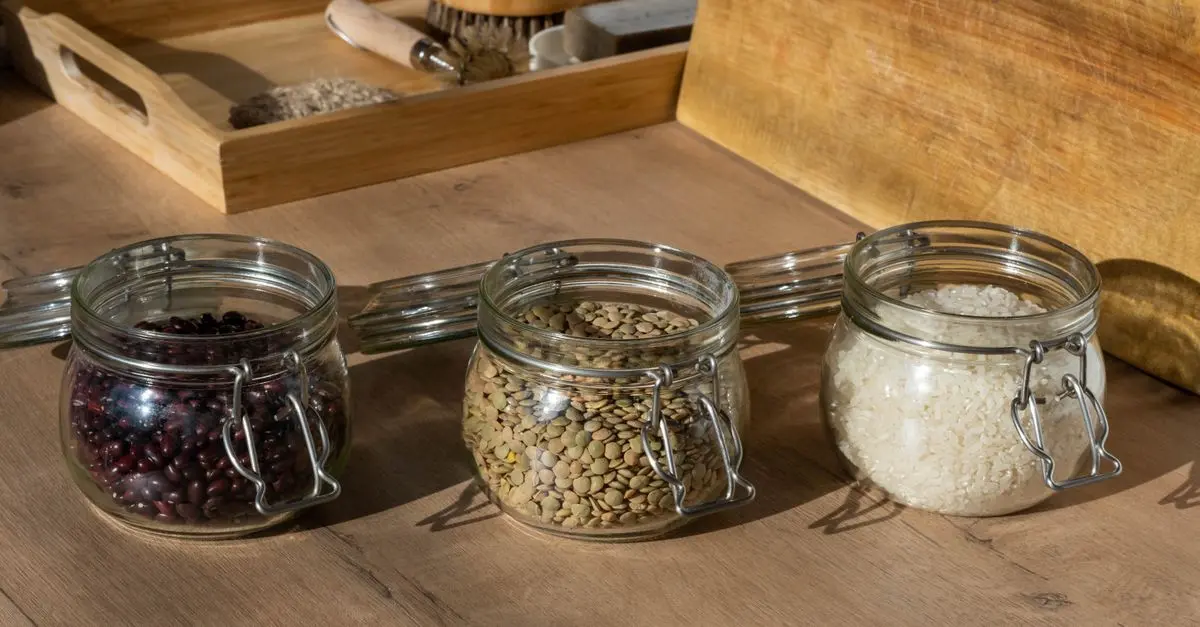
A sustainable meal plan is best built around whole, unprocessed foods such as grains, legumes, vegetables, fruits, nuts, and seeds. These foods are not only healthier but also reduce environmental impact by minimising reliance on processed food industries, which often contribute to higher energy and water usage. Incorporating ingredients like quinoa, lentils, and kale can provide a robust nutrient profile while keeping your environmental footprint low. Cooking from scratch using whole foods lets you control your meal's nutritional value, as verified by recent studies from Les Numériques.


Techair TAECV007 Sustainable style for 11.6" laptops and Chromebooks. Made from recycled bottles, the Eco Sleeve pairs eco-friendly design with
Back to the Office

3. Plan for Leftovers
Maximing your meal prep efforts can drastically reduce waste. When crafting your meal plan, think about how you can reuse leftovers in different meals. For example, a big batch of lentil stew can become lentil tacos the next day or a filling in a salad. This not only diminishes food waste but also saves time and money as you're making the most of your ingredients. Remember, according to the UNEP, approximately one-third of all food produced globally is wasted. Efficient planning plays a crucial role in combating this issue while enjoying varied meals.
4. Minimise Food Waste
Along with planning for leftovers, implementing strategies to minimise food waste is essential. One effective method is to compost vegetable scraps, which enriches your soil if you garden. Another suggestion is to store perishables in airtight containers to maintain freshness longer. Experimenting with slightly wilted vegetables in soups or stews is another creative way to use up what might otherwise go to waste. Following these simple practices not only makes your meal plan more sustainable but can also lead to significant savings.
5. Use Eco-Friendly Ingredients
When selecting ingredients, consider their environmental impact. Opt for organic produce when possible, as it avoids harmful pesticides and promotes biodiversity. Moreover, consider plant-based dairy alternatives produced using less water and emissions compared to their animal counterparts. For instance, switching from dairy milk to oat or almond milk can help conserve vital resources, as noted by ADEME in their environmental studies. Furthermore, brands that practice ethical farming, such as those featured in our product recommendations, can align perfectly with your sustainable meal goals.
6. Incorporate Variety
A diverse range of foods ensures you receive all the vital nutrients your body needs while keeping your meals exciting. The more colours on your plate, the better, as each colour often represents different nutrients. Aim to include purple eggplants, green spinach, orange carrots, and red peppers throughout your week. Variety not only appeals to your taste buds but also enhances your overall health, according to dietary guidelines outlined by INSEE.



7. Grow Your Own Herbs and Vegetables
Starting a small herb or vegetable garden can significantly impact your sustainable vegan meal plan, regardless of the size of your space. Even a windowsill herb garden allows access to fresh ingredients, ensuring your meals are packed with flavour and nutrients. Easy-to-grow herbs such as basil, mint, and parsley not only enhance the taste of your dishes but also encourage you to use fresh ingredients daily. This practice promotes sustainability and reduces the need for store-bought items, which often come with excessive packaging.
8. Learn About Ingredient Sourcing
Understanding where your food comes from is an essential aspect of sustainable eating. By choosing locally sourced foods, you reduce transportation emissions and support your local economy. Visit farmer's markets or join a Community Supported Agriculture (CSA) programme to connect directly with producers. Knowing that your ingredients are grown sustainably and ethically is not just rewarding; it also helps you make healthier food choices.
9. Meal Prep for Convenience
Investing time in meal prepping can save you time during busy weeks while ensuring you stick to your sustainable vegan meal plan. Set aside a few hours each week to chop vegetables, cook grains in bulk, and prepare sauces or dressings. Not only will this make your week easier, but it will keep the temptation for quick, less sustainable meals at bay. Studies by Les Numériques show that meal prepping increases the likelihood of healthier eating choices.
10. Share Your Journey
Finally, don't hesitate to share your meal planning journey with those around you. Engage friends, family, or followers on social media by sharing your successes, challenges, and favourite recipes. This community support can inspire others to explore sustainable eating, potentially leading to a more significant movement toward sustainable practices. UFC-Que Choisir promotes the importance of collective action for environmental sustainability; by sharing, you contribute to a greater good.
Checklist before implementing your meal plan
- [ ] Embrace seasonal produce
- [ ] Focus on whole foods
- [ ] Plan for leftovers
- [ ] Minimise food waste
- [ ] Use eco-friendly ingredients
- [ ] Incorporate variety
- [ ] Grow your own herbs and vegetables
- [ ] Learn about ingredient sourcing
- [ ] Meal prep for convenience
- [ ] Share your journey
📺 Resource Video
> 📺 For more insights: Explore how to create delicious vegan meals, a comprehensive guide on sustainable vegan cooking. Search on YouTube: "sustainable vegan meal planning 2026".
Glossary
| Term | Definition |
|---|---|
| Whole Foods | Foods that are minimally processed and close to their natural state, encompassing fruits, vegetables, grains, nuts, and seeds. |
| Seasonal Produce | Fruits and vegetables that are grown and harvested during specific times of the year, ensuring peak freshness and flavour. |
| Composting | The process of recycling organic waste into nutrient-rich soil through natural decomposition. |
---
📺 Pour aller plus loin : sustainable vegan meal planning 2026 sur YouTube
Recommended products
Selected by our experts