Contents (11 sections)
Creating a sustainable vegan meal plan is not only a way to embrace a healthier diet, but it also reflects a commitment to environmental responsibility. With increasing awareness surrounding food waste and the impact of agriculture on our planet, developing meal plans that are sustainable has never been more crucial. This guide will walk you through the process of crafting a sustainable vegan meal plan, integrating practical tips and methods to ensure you maintain an eco-friendly and health-conscious diet.
H2: What is a Sustainable Vegan Meal Plan?
A sustainable vegan meal plan primarily focuses on incorporating plant-based foods that are sourced ethically and produced with minimal environmental impact. The goal is to curate meals that are nutritionally balanced while also considering the entire lifecycle of the food you consume. According to a study by the EAT-Lancet Commission, shifting towards plant-based diets can help reduce greenhouse gas emissions significantly.
In practice, this means prioritising local, seasonal, and organic produce. By supporting local farmers, you reduce the carbon footprint associated with transporting food over long distances. Furthermore, choosing organic options helps to eliminate harmful pesticides and encourages biodiversity in food production. This approach not only enhances the quality of your meals but also promotes a circular economy.
H2: Step-by-Step Guide for Creating Your Meal Plan
Creating your sustainable vegan meal plan is a structured process, which can be broken down into several steps. Here’s how to do it:
Step 1: Assess Your Nutritional Needs
Before diving into meal ideas, it's essential to comprehend your specific dietary requirements. Consider factors such as age, gender, activity level, and any specific health concerns. For example, if you are an athlete, you might require higher protein intake or additional energy sources like whole grains and legumes. Consulting with a registered dietitian can provide personalised advice to ensure your meal plan covers all necessary nutrients.
Step 2: Research and Choose your Ingredients
Once you have a clear understanding of your nutritional needs, the next step is to select ingredients that align with sustainable principles. Not only should you choose whole, minimally processed foods, but also prioritise ingredients that are seasonal and regional. For example, instead of using out-of-season strawberries transported from thousands of miles away, opt for locally grown apples or root vegetables that are in season.
This approach directly supports local ecosystems and helps reduce your meal plan's overall carbon footprint.
Step 3: Plan Your Meals for the Week
Now is the time to integrate your chosen ingredients into meals. Aim for a variety of dishes that cover different nutritional bases. Here’s an example layout:
- Breakfast: Overnight oats with seasonal fruits and nuts.
- Lunch: Quinoa salad with roasted seasonal vegetables and a tahini dressing.
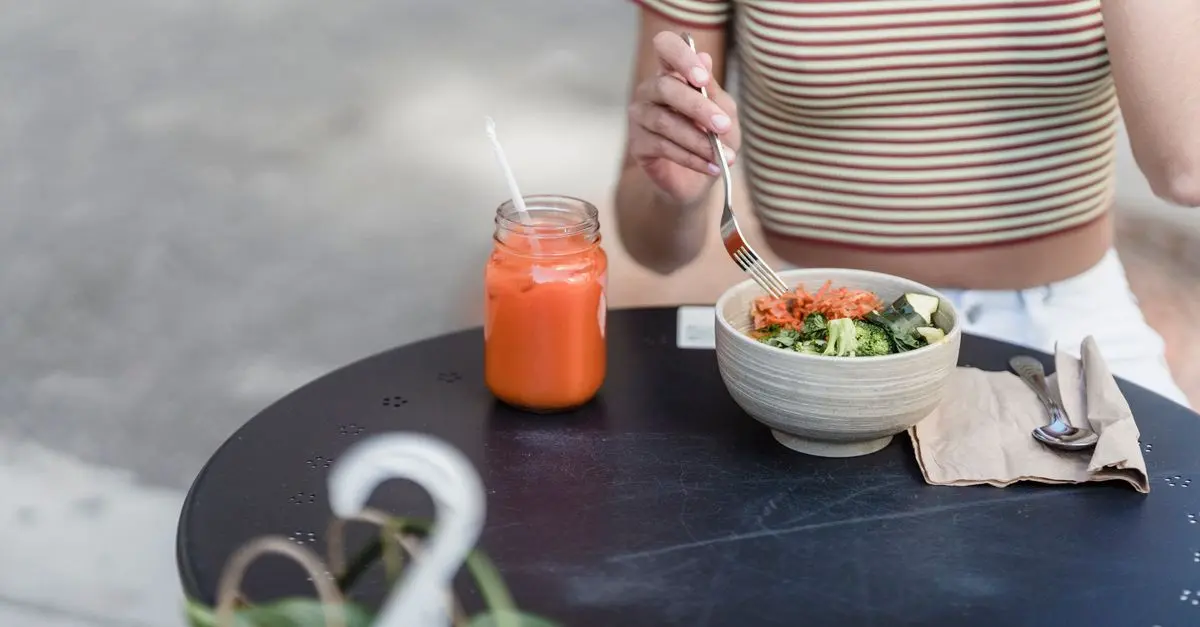
- Dinner: Stir-fried tofu with broccoli, carrots, and brown rice.
- Snacks: Hummus with carrot and cucumber sticks.
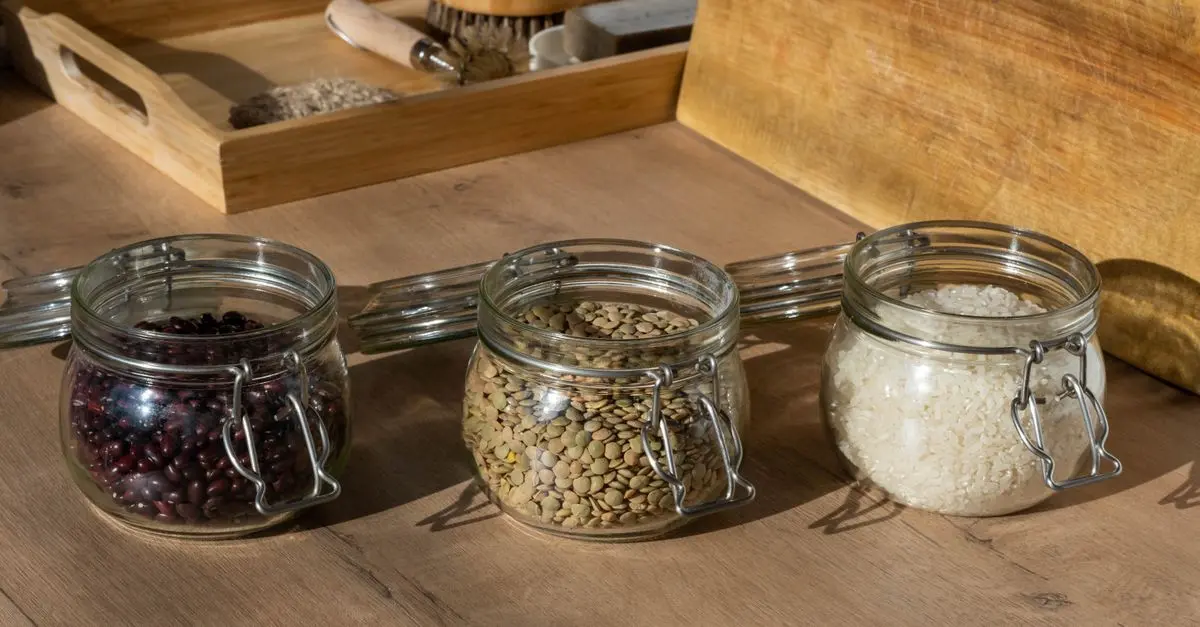
Utilising batch cooking can also reduce waste significantly while saving you time during busy weekdays. Prepare larger quantities of staples like grains or legumes and diversify them throughout the week.
Step 4: Keep Track of Food Waste
To further enhance the sustainability of your meal plan, monitoring food waste is vital. Use a food diary to keep track of what’s being consumed and what is going to waste. Research from the Waste and Resources Action Programme (WRAP) reveals that consumers waste 20% of food, much of which is still perfectly edible. Find innovative ways to repurpose leftovers, like turning vegetable scraps into homemade stock, or using wilting greens in soups and smoothies.
Step 5: Evaluate and Adjust Regularly
Meal planning is an evolving process, and regular evaluation is key. At the end of each week, review your meal plan to see what worked and what didn’t. Adapt your plan according to seasonal changes and your personal preferences. Trends show that those who make adjustments based on eating patterns report higher satisfaction and better adherence to their plans.
Incorporate feedback into your planning by questioning if meals were satisfying and if you’re meeting your nutritional goals. Continuous reassessment promotes flexibility and sustainability.


Techair TAECV007 Sustainable style for 11.6" laptops and Chromebooks. Made from recycled bottles, the Eco Sleeve pairs eco-friendly design with
Back to the Office

H2: Common Mistakes to Avoid
When creating your sustainable vegan meal plan, it’s easy to run into pitfalls. One common mistake is underestimating portion sizes, which can lead to hunger and subsequent snacking on less healthy options. Another issue could be relying too heavily on processed vegan substitutes, which may lack the nutrients you need while contributing to unnecessary packaging waste.
It’s wise to prioritise whole foods, such as vegetables, nuts, and legumes, as the base of your diet. Ultimately, a sustainable approach doesn’t just focus on ingredients but also on the consumption habits and the overall environmental impact of your choices.
Glossary
| Terme | Définition |
|---|---|
| Bio | Produits agricoles cultivés sans l'utilisation de pesticides ni d'engrais chimiques. |
| Circulaire | Système économique où les ressources sont réutilisées, recyclées et maximisées. |
| Saisonnier | Aliments cultivés et récoltés pendant leur période naturelle de croissance, garantissant la fraîcheur et la qualité. |
Checklist for Creating Your Meal Plan
- [ ] Assess your nutritional needs accurately
- [ ] Research and select seasonal ingredients
- [ ] Plan a diverse weekly meal layout
- [ ] Track leftover food and waste
- [ ] Evaluate and adjust your plan regularly
🧠 Quick Quiz: What is the main principle of a sustainable vegan meal plan?
- A) Fast food options
- B) Seasonal and local ingredients
- C) Processed foods
Answer: B — Seasonal and local ingredients are essential for sustainability.
📺 For further exploration: How to Meal Prep for a Vegan Diet, provides a comprehensive look at successful meal prep strategies. Search on YouTube: "meal prep vegan 2026".
📺 Pour aller plus loin : meal prep vegan 2026 sur YouTube
Recommended products
Selected by our experts