Contents (22 sections)
Incorporating veganism into your daily routine can transform not only your health but also your impact on the environment. With rising awareness of the ethical and environmental benefits of plant-based living, many enthusiasts are eager to embrace a vegan lifestyle. This guide aims to provide practical steps to incorporate veganism, making it an enjoyable and sustainable journey.
1. Understand the Basics of Veganism
Before you begin your transition, it’s crucial to understand what veganism entails. Veganism is a lifestyle that excludes all animal products, which includes meat, dairy, eggs, and even honey. The reasons for adopting veganism can vary—some people are motivated by health benefits such as lower cholesterol and a reduced risk of chronic disease, while others focus on animal rights or environmental sustainability.
Why Go Vegan?
According to a report from the UN (2025), livestock farming accounts for approximately 14.5% of global greenhouse gases. Reducing meat consumption can significantly lower your carbon footprint. Moreover, a vegan diet can lead to improved digestion, healthier skin, and increased energy levels.
2. Start with a Plant-Based Breakfast
One of the easiest ways to incorporate veganism is by starting your day with a plant-based breakfast. Transitioning your morning meal isn't as hard as it seems. Oatmeal topped with fruits, smoothies made with almond or soy milk, or avocado toast provide delectable and nutritious options. Avoid the common trap of processed vegan breakfast alternatives that can pack hidden sugars and additives.
Practical Tips:
- Choose whole grains over processed options. For example, opt for quinoa or barley rather than white bread.
- Experiment with various plant-based milk like oat or coconut—many people find they enjoy the creaminess!
- Avoid sugary cereals; instead, flavour your oatmeal with natural sweeteners like maple syrup or fruit.
3. Meal Planning and Preparation
Once you become familiar with vegan options, planning meals becomes essential. Allocating time for meal prep can save you from last-minute unhealthy choices. Start by dedicating a few hours a week to batch cook meals that you can refrigerate or freeze. This step makes sticking to a vegan diet much more manageable, particularly during busy weekdays.
Checklist for Meal Prep:
- [ ] Create a menu for the week.
- [ ] Shop for fresh vegetables, grains, and legumes.
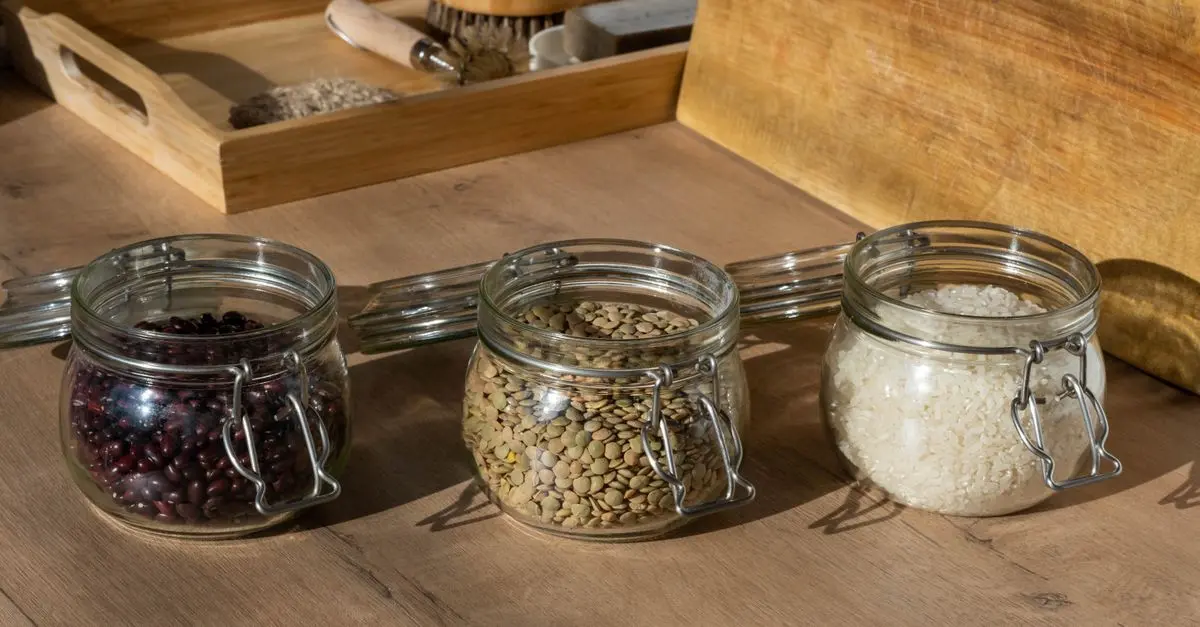
- [ ] Prepare a large batch of staples like lentils, rice, and beans.
- [ ] Remember to store meals in portioned containers for convenience.
4. Expand Your Culinary Horizons
Incorporating veganism isn't only about eliminating animal products—it's also an opportunity to expand your culinary skills. Explore new recipes that spotlight plant-based ingredients such as lentils, chickpeas, and a variety of vegetables.
Example:
Consider integrating international cuisines that are naturally vegan or easy to modify. For instance, Indian cuisine offers dishes like dal and chana masala, which are inherently plant-based. Middle Eastern falafel and Mediterranean dishes with hummus are also delicious and satisfying.
5. Find Supportive Communities
Transitioning to veganism can feel isolating at times. Seek out local vegan communities or online forums where you can share experiences, recipes, and support. Participating in local meet-ups, cooking classes, or joining vegan-focused social media groups can enhance your journey.
Benefits of Community:
- Access to resources like recipes and meal plans.
- Opportunities to share tips and experiences.
- Support for navigating challenges, reducing feelings of isolation.
6. Be Mindful of Nutritional Needs
While adopting a vegan lifestyle, it's crucial to ensure you’re meeting your nutritional needs. Pay attention to nutrients of concern such as Vitamin B12, iron, calcium, and omega-3 fatty acids. Incorporating fortified foods or considering supplements might be necessary to prevent deficiencies.
Foods to Include:
- B12: Fortified plant milks and nutritional yeast.
- Iron: Dark leafy greens like spinach, lentils, and beans.
- Calcium: Fortified juices and plant milks, almonds, and tofu.
- Omega-3: Flaxseeds, chia seeds, and walnuts.
Table of Nutritional Comparison
| Nutrient | Plant Source | Animal Source | Verdict |
|---|---|---|---|
| B12 | Fortified foods | Meat, dairy | Supplement needed |
| Iron | Spinach, lentils | Red meat | Absorption slower |
| Calcium | Almonds, tofu | Dairy | Equal in bioavailability |
| Omega-3 | Chia seeds, walnuts | Fish | Plant-based options available |
7. Address Common Challenges
Expect some hurdles while transitioning. Cravings for animal products can occur; be prepared with vegan alternatives like cashew cheese, coconut yogurt, or plant-based burgers. Avoid pitfalls such as processed vegan foods high in sugar or unhealthy fats by focusing more on whole foods.
Tips to Overcome Challenges:
- Allow occasional indulgences without guilt—seek healthier alternatives.
- Experiment with flavours and spices to recreate favourite dishes.
- Keep healthy snacks handy to minimise cravings.
8. Make it a Lifestyle
Incorporating veganism is not simply a diet; it’s a lifestyle choice. Try to shop ethically by choosing sustainable brands and avoiding fast fashion that relies on animal products. Educate yourself on issues related to animal welfare and environmental impacts, fostering a deeper connection to your choices.
Further Reflections:
Follow vegan influencers, read extensively, and attend workshops to continue learning. The more informed you are, the easier and more fulfilling your journey will become.
Conclusion
Incorporating veganism into your daily routine can be a rewarding experience that positively impacts your lifestyle and the planet. Start small, remain flexible, and explore all the amazing flavours that a plant-based life has to offer.
📺 Resource Video
Discover tips and recipes to incorporate veganism into your meals. Search on YouTube for: "how to make vegan meals easy".
Checklist before Transitioning to Veganism
- [ ] Research the health benefits of a vegan diet.
- [ ] Start with easy-to-make vegan recipes.
- [ ] Explore local vegan restaurants or supermarkets.
- [ ] Join a vegan community online or locally.
- [ ] Prepare for cravings and find alternatives.
Glossary
| Term | Definition |
|---|---|
| Veganism | A lifestyle that excludes all animal products and by-products. |
| Plant-based | A diet that primarily consists of foods derived from plants. |
| Nutritional Yeast | A deactivated yeast that is often fortified with B12 and used as a cheese substitute. |
> 🧠 Quiz rapide : What is a common plant-based source of protein?
> - A) Meat
> - B) Lentils
> - C) Eggs
> Réponse : B — Lentils are a great source of plant-based protein!
📺 Pour aller plus loin : how to make vegan meals easy sur YouTube