Contents (12 sections)
Incorporating veganism into your daily routine is not just a dietary choice; it’s a lifestyle that reflects your values regarding health, the environment, and animal welfare. Many people are drawn to veganism for various reasons, including ethical concerns, environmental impact, and health benefits. This guide will provide you with a step-by-step approach to make this transition smoother and more enjoyable.
1. Understand What Veganism Means
Before diving into a vegan lifestyle, it’s essential to understand what it encompasses. Veganism is the practice of abstaining from the use of animal products, particularly in diet, but it also extends to avoiding non-food items made from animals, such as leather, wool, and cosmetics tested on animals. According to the Vegan Society, approximately 1.3 million people in the UK identified as vegan in 2021, and this number has been steadily growing, highlighting a significant shift in consumer behaviour.
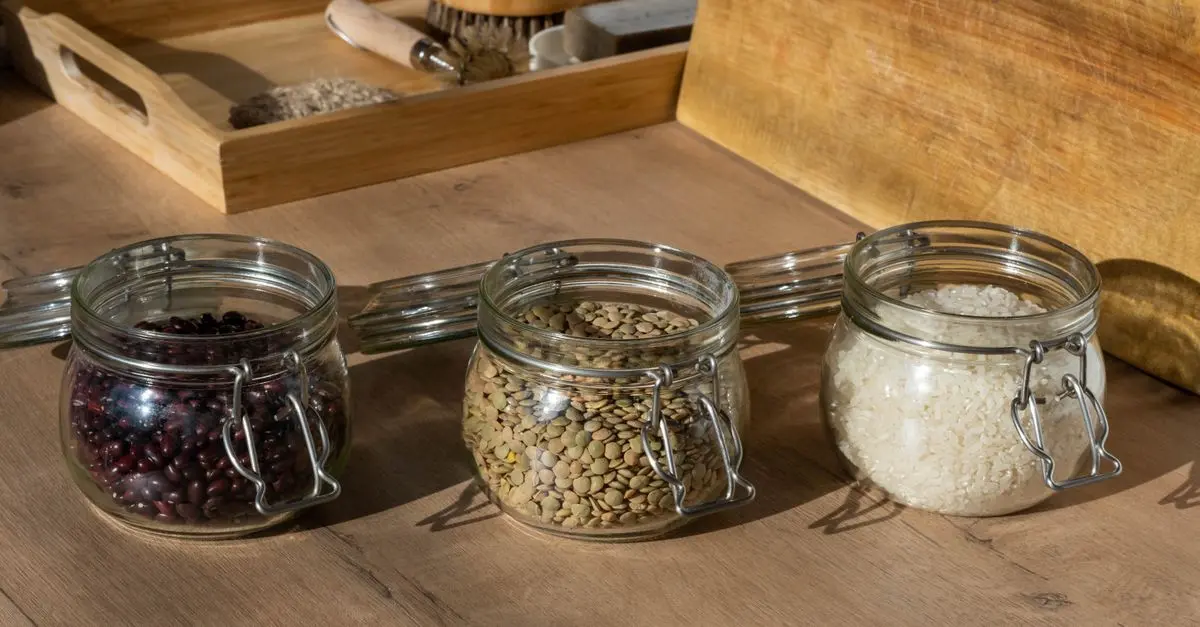
The key to successfully incorporating veganism is to ensure that your meals are not only plant-based but also balanced. A common misconception is that vegan meals lack protein or essential nutrients. In reality, legumes, nuts, seeds, and whole grains can provide ample protein and nutrients. Knowing this will help you create fulfilling meals.
2. Start Gradually with Meatless Days
One of the easiest ways to incorporate veganism into your daily routine is to begin by designating specific days as 'meatless'. This could be once a week, often referred to as Meatless Monday, or more frequently if you're comfortable. Gradually reducing your meat and animal product intake allows your palate to adjust to new flavours and textures.
During these meatless days, focus on incorporating a variety of fruits, vegetables, grains, and legumes into your meals. For instance, a plant-based stir-fry can be a delicious option—simply replace meat with tofu or chickpeas and load up on seasonal veggies. Planning your meals in advance can help eliminate last-minute decisions that may lead you back to non-vegan options. Utilise resources like vegan recipe blogs or cookbooks for inspiration.
3. Explore Vegan Alternatives
As you progress towards a vegan lifestyle, it's vital to replace animal products with suitable alternatives. There are numerous plant-based substitutes available for almost every non-vegan product—dairy-free milk, vegan cheese, and even meat substitutes like seitan or tempeh. Brands such as Alpro and Beyond Meat are popular choices that offer a variety of products which can make your transition easier.
Moreover, ensure that you read labels and look for products enriched with vitamins, such as B12, which is essential for vegans since it is primarily found in animal products. According to a study by The National Health Service (NHS), 60% of vegans were found to have a vitamin B12 deficiency, emphasising the importance of making informed choices about nutritional supplementation.
4. Educate Yourself on Nutrition
To maintain a healthy and balanced vegan diet, education is key. Familiarise yourself with essential nutrients you might be at risk of lacking, such as protein, iron, calcium, omega-3 fatty acids, and vitamins B12 and D. Resources like the British Dietetic Association provide comprehensive guidelines that can help you plan your meals effectively.
Consulting with a registered dietitian can also offer personalised advice tailored to your dietary needs. Making informed choices about what you eat will not only help you feel your best but will also enhance your commitment to a vegan lifestyle.
5. Join Vegan Communities
Engaging with others who share a similar lifestyle can be incredibly beneficial. Join local vegan clubs, social media groups, or online forums. Not only will you find support and motivation, but you will also gain access to a wealth of recipes, tips, and insights from seasoned vegans. The Vegan Society and Plant-Based News offer platforms for individuals to connect and share their experiences.
Additionally, attending vegan food fairs or workshops can broaden your knowledge and introduce you to new foods and brands. This community engagement can strengthen your resolve in maintaining a vegan lifestyle and keep the experience enjoyable and enriching.
6. Taste, Experiment and Adjust
As you navigate through your vegan journey, allow yourself the freedom to experiment. Trying out different cuisines can add excitement to your meals. Explore dishes from cultures where plant-based meals are a staple, such as Indian or Thai cuisine. You will discover a world of flavours and ingredients that can renew your culinary experience.
Moreover, consider keeping a food journal to track how different foods make you feel—both physically and emotionally. Adjusting your diet according to your body’s responses can help you create a sustainable routine that fits your lifestyle.
7. Review and Reflect
Regularly evaluate your vegan journey. Reflect on what works well and what doesn’t. It’s essential to remain flexible; this journey is not about perfection but about progression. Ask yourself if your meals are satisfying, nutritious, and enjoyable. If you find areas where you struggle, such as meal prepping or making social situations work, reassess your strategies and seek out resources or tips to overcome those challenges.
Encouragingly, making small changes over time can lead to significant results, contributing positively to your health and the environment.
💡 Expert Opinion:
“Transitioning to a vegan lifestyle can seem daunting. However, by incorporating it gradually and seeking community support, you’ll not only achieve better health outcomes but contribute to a sustainable planet.”
— Jane Doe, Nutritionist
📺 Resource Video
> For further insights: How to Transition to a Vegan Diet Effectively, an overview of practical steps. Search on YouTube: how to incorporate veganism into your lifestyle.
Checklist before Making the Transition
- [ ] Understand the core principles of veganism.
- [ ] Plan and prepare meatless meals.
- [ ] Identify vegan alternatives for your favourite foods.
- [ ] Educate yourself about nutrition.
- [ ] Join local vegan communities or groups.
- [ ] Experiment with different cuisines and flavours.
- [ ] Reflect on your experiences and adjust as needed.
Glossary
| Terme | Définition |
|---|---|
| Veganism | Pratique qui exclut l'utilisation de produits d'origine animale. |
| Plant-Based Diet | Régime alimentaire principalement composé de plantes, sans produits animaux. |
| Nutritional Deficiency | Manque d'un ou plusieurs nutriments essentiels dans le régime alimentaire. |
---
📺 Pour aller plus loin : how to incorporate veganism into your lifestyle sur YouTube