Contents (15 sections)
In recent years, the shift towards a plant-based lifestyle has gained tremendous momentum. With more people embracing veganism for health, ethical, and environmental reasons, it's essential to equip your kitchen with the right ingredients. This listicle will enlighten you on the essential vegan ingredients that every kitchen should have to create delicious and nutritious meals. Not only will these ingredients elevate your dishes, but they will also ensure you are meeting your dietary needs.
1. Nutritional Yeast: The Vegan Powerhouse
Nutritional yeast is a versatile ingredient that can be sprinkled on various dishes to add a cheesy flavour without any dairy. Rich in B vitamins and protein, it’s an essential ingredient for anyone on a vegan diet. This yellow, flaky substance can be used in sauces, sprinkled over popcorn, or incorporated into soups for added depth. Its unique nutrient profile makes it an indispensable staple, offering a rich source of vitamin B12—critical for vegans who often miss out on this essential nutrient. Nutritional yeast can be easily stored in a cool, dry place and has a long shelf-life, making it both convenient and economical.
2. Plant-Based Milk: Choose Your Favourite
Whether coconut, almond, soy, or oat, having a variety of plant-based milks readily available is crucial for a vegan kitchen. Plant-based milks can be used in breakfast cereals, baking, sauces, and even coffee. Each type offers unique flavours and nutritional benefits. For instance, almond milk is lower in calories, while soy milk is higher in protein. Understanding the differences can help you tailor your meals and recipes according to your dietary requirements and flavour preferences. It's also beneficial to keep unsweetened versions to avoid added sugars.


3. Legumes: The Protein Powerhouses
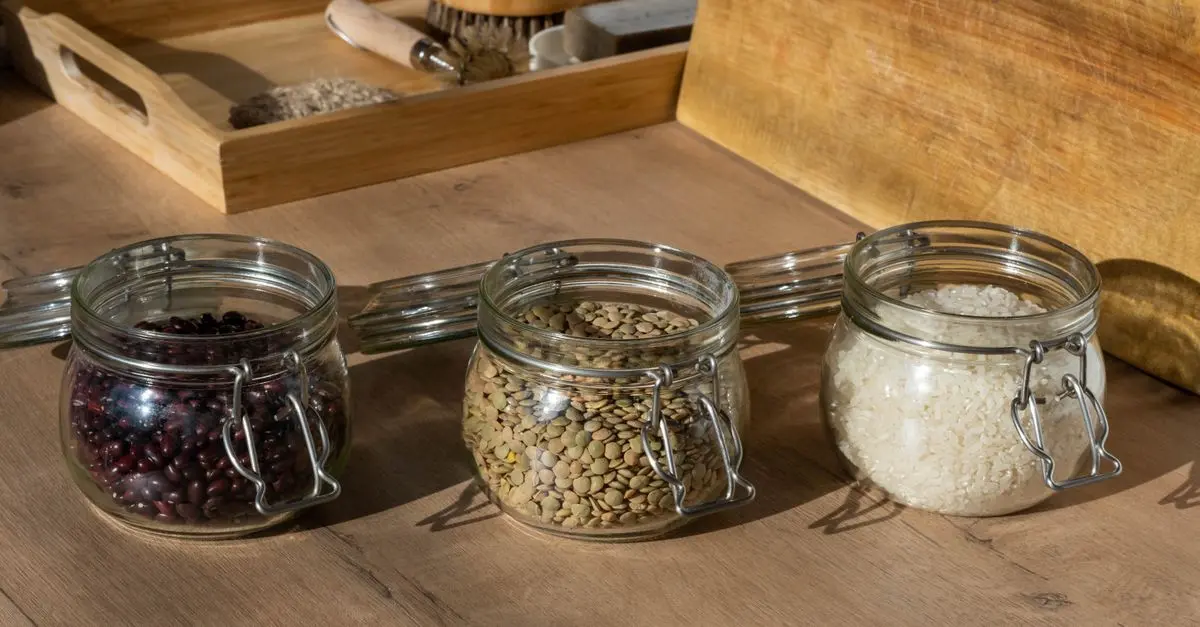
Legumes, including lentils, chickpeas, and beans, are fundamental to a rounded vegan diet. They are an excellent source of protein, fibre, iron, and other essential nutrients. Incorporating legumes into your meals not only adds sustenance but also versatility. From hearty stews to spicy curries or tossed in salads, the possibilities are virtually endless. Notably, lentils cook quickly and require minimal preparation, making them a go-to option for busy weeknights. While canned versions are convenient, soaking and cooking dried legumes can be more economical and rewardingly fresher in flavour.
4. Whole Grains: Fuel Your Body Right
Whole grains like quinoa, brown rice, and oats provide essential nutrients and energy. These grains are rich in fibre, which keeps you full longer, helping to maintain a healthy weight. Quinoa is particularly notable for its complete protein profile, containing all nine essential amino acids. Whole grains are also a fantastic base for meals; they can be used in salads, as porridge, or even in baking. Furthermore, swapping white grains for whole grains can significantly enhance the nutritional value of your meals.
5. Fresh Herbs and Spices: The Flavour Enhancers
Herbs and spices are essential for boosting the flavour of your vegan dishes. Fresh herbs like basil, cilantro, and parsley offer vibrant flavours and can transform a simple dish into an extraordinary one. Meanwhile, spices such as cumin, turmeric, and paprika add warmth and complexity. By stocking a variety of herbs and spices, you can experiment with global cuisines from Italian to Indian, enhancing your cooking repertoire. Keep dried spices in airtight containers away from heat to preserve their potency and flavour.
6. Healthy Fats: Avocados and Olive Oil
Incorporating healthy fats into your vegan diet is vital. Avocados and cold-pressed olive oil are excellent sources of monounsaturated fats and provide essential fatty acids. Avocados add creaminess to dishes and are nutrient-dense, making them perfect for salads, spreads, or smoothies. Meanwhile, olive oil is a cornerstone of the Mediterranean diet and can be used for sautéing vegetables or as a dressing base. These fats not only enhance flavour but are also beneficial for heart health when consumed in moderation.

Nudestix Nudeskin Hydra-Peptide Lip Butter Tint Set gift set for lips
notino.co.uk


7. Tofu and Tempeh: The Meat Substitutes
Tofu and tempeh are popular plant-based proteins that are essential in a vegan kitchen. Tofu is made from soybeans and offers a fantastic source of protein, while tempeh is fermented, providing added nutrients and a meatier texture. Both can absorb flavours from marinades and are incredibly versatile—perfect for stir-frying, grilling, or baking. Including these sources of protein can help ensure that you receive adequate nutrition while offering satisfying options to replace meat in your meals.
8. Coconut Products: Creamy and Sweet
Coconut milk, coconut oil, and shredded coconut are fantastic vegan substitutes for a host of recipes. Coconut products add richness and sweetness, making them ideal for desserts, curries, and smoothies. Coconut milk, in particular, can replace dairy products in recipes, offering a creamy texture without compromising flavor. Additionally, integrating coconut oil can provide a source of MCTs (medium-chain triglycerides), which have been associated with several health benefits, including improved energy expenditure.
9. Vinegars: Zesty and Tangy
Vinegars, such as balsamic, apple cider, and rice vinegar, are important for adding acidity and brightness to dishes. They can be used in salad dressings, marinades, and as a seasoning for grains or vegetables. Vinegar not only elevates the taste profile but also offers health benefits such as promoting good digestion and acting as an antioxidant. Each type brings its unique flavour, enhancing the overall experience of the meal.
10. Vegan Sweeteners: Natural Indulgence
Lastly, essential vegan sweeteners like maple syrup, agave nectar, or coconut sugar can provide the perfect touch of sweetness without refined sugars. They can be used in baking, drizzled over pancakes, or blended into smoothies. Switching to natural sweeteners allows you to indulge in treats while also considering health impacts. Each sweetener has different flavour profiles and health benefits, making it worthwhile to experiment and find what suits your palate best.
Conclusion
Stocking your kitchen with these essential vegan ingredients can significantly impact your cooking experience and the nutritional quality of your meals. With the right ingredients at your disposal, you’ll be inspired to create vibrant and healthy dishes every day.
Checklist of Essential Vegan Ingredients
- [ ] Nutritional Yeast
- [ ] Plant-Based Milk
- [ ] Legumes
- [ ] Whole Grains
- [ ] Fresh Herbs and Spices
- [ ] Healthy Fats
- [ ] Tofu and Tempeh
- [ ] Coconut Products
- [ ] Vinegars
- [ ] Vegan Sweeteners
Glossary
| Term | Definition |
|---|---|
| Nutritional Yeast | A deactivated yeast rich in protein and vitamins, often used to impart a cheesy flavour and added nutrition to dishes. |
| Plant-Based Milk | Dairy alternatives, such as almond, soy, or oat milk, used for cooking or drinking, suitable for those who avoid dairy products. |
| Whole Grains | Cereal grains that retain the bran, germ, and endosperm, providing more nutrients and fibre than refined grains. |
📺 Ressource Vidéo
> 📺 For more insights: Discover essential vegan ingredients! Look up on YouTube “essential vegan ingredients for health”.
🧠 Quiz rapide: What is a fantastic source of vegan protein?
- A) Lentils
- B) Apples
- C) Potatoes
Réponse : A — Lentils are rich in protein and fibre, making them ideal for vegans.
📺 Pour aller plus loin : essential vegan ingredients for health sur YouTube
Recommended products
Selected by our experts

Hemway Powder Pigment Metallic Sapphire Blue Epoxy Resin, Cosmetic, Candle
hemway.com