Contents (14 sections)
Adopting a vegan diet means abstaining from all animal products, and it continues to gain popularity worldwide. A vegan diet is primarily composed of fruits, vegetables, grains, legumes, nuts, and seeds. Many people choose veganism for various reasons, including ethical concerns about animal welfare, environmental impacts, and health benefits. The health benefits of a vegan diet go beyond mere weight loss; scientific studies suggest that a plant-based diet can significantly enhance overall well-being.
One notable benefit is a lower risk of chronic diseases. Research, including a study published in the journal Nutrients (2022), indicates that vegans tend to have a reduced risk of developing type 2 diabetes, hypertension, and certain types of cancer. These findings highlight the potential of a vegan diet in improving heart health. According to UFC-Que Choisir, individuals on plant-based diets typically have lower cholesterol levels and healthier blood pressure than those consuming meat and dairy.
Moreover, vegans often experience increased energy levels. This is largely due to a diet rich in whole foods, such as fruits and vegetables, which are nutrient-dense and energising. In contrast, diets high in saturated fats and processed foods can lead to lethargy and health complications. By switching to a vegan diet, many individuals report feeling more energetic throughout the day. Ultimately, embracing veganism could lead to a healthier lifestyle marked by vitality and improved physical health.
How to Adopt a Vegan Diet: A Step-by-Step Guide
Transitioning to a vegan diet can seem overwhelming, but it is much easier with a few guiding steps. Here’s how to make the shift successfully:
Step 1: Educate Yourself
Understanding nutrition is vital when adopting a vegan lifestyle. Reach out to valuable resources like The Vegan Society and reputable cookbooks, which can help you comprehend how to balance your diet properly.
Step 2: Start Slowly
Instead of going completely vegan overnight, consider starting with ‘Meatless Mondays’ or gradually eliminating animal products from your meals. Over time, expand your efforts by incorporating more vegan options while reducing meat and dairy intake.
Step 3: Plan Your Meals
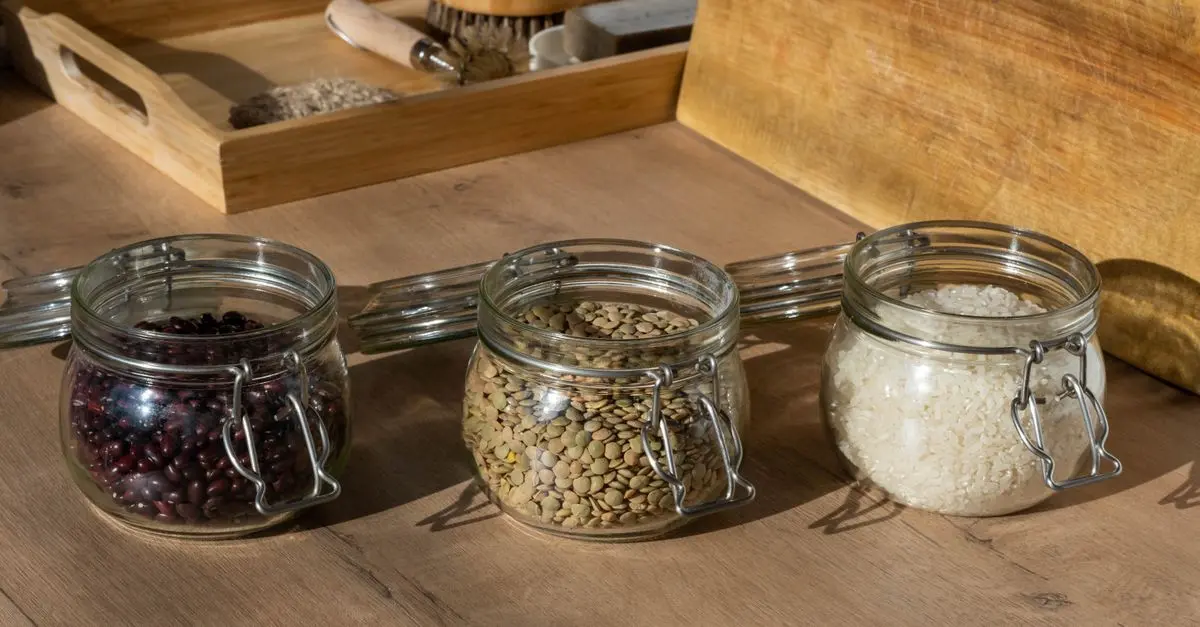
Meal prepping can simplify the transition. Plan your meals weekly to ensure a balanced nutrient intake. Incorporate a variety of foods to cover all your nutritional bases, such as protein, iron, and calcium. For example, legumes, nuts, tofu, and whole grains are excellent sources of protein.
Step 4: Discover Alternatives
There are numerous meat and dairy alternatives available now, making the switch easier than ever. From almond milk to tempeh, these products can replace traditional ingredients in meals without sacrificing taste.
Step 5: Connect with Community
Join vegan groups online or in your local area to share recipes, tips, and experiences. Engaging with others who follow a similar lifestyle can provide support and motivation during your transition.
Vegan Diet Comparison: Plant-Based vs. Omnivorous Diet
Here's a comparison chart that illustrates some differences between a plant-based vegan diet and a traditional omnivorous diet:
| Nutrient | Plant-based | Omnivorous | Verdict |
|---|---|---|---|
| Protein | High in legumes, nuts, tofu | Primarily from meat, eggs, dairy | Balanced in both diets |
| Dietary Fibre | High (fruits, vegetables) | Low (animal products) | Vegan diet better for gut health |
| Saturated Fat | Low (plant oils) | High (meat, dairy products) | Vegan diet promotes heart health |
| Vitamins | High in A, C, E, and K | A, D, B12 from animal sources | Vegan diet needs B12 supplements |
| Antioxidants | High (fruits and vegetables) | Low (fewer plant foods) | Vegan diet offers more antioxidants |


Statistical Insight: The Impact of Veganism
According to a study conducted by The Vegan Society, nearly 600,000 people in the UK now identify as vegan, showing a growth rate of 350% compared to where it stood just a few years ago. Furthermore, statistics indicate that adopting a vegan diet can lead to a weight loss average of 7-8 kg, according to a study presented at a conference by the American Heart Association. These compelling numbers underscore the diet's effectiveness for those looking to maintain a healthy weight while enjoying diverse culinary options.
Expert Opinion
> 💡 Expert's Insight: Research conducted at universities such as Harvard suggests that individuals who follow a vegan diet not only report better physical health but also improved mental well-being. This could be attributed to increased intake of phytochemicals found in plants, which have been shown to enhance mood and reduce the risk of depression. This dietary choice offers lifelong benefits, both physically and mentally, by nurturing a holistic approach to wellness.
FAQs about Vegan Diets
- What nutrients do I need to watch out for on a vegan diet?
- Vitamin B12, iron, calcium, and omega-3 fatty acids are essential nutrients to monitor as they can be less abundant in a vegan diet than in omnivorous diets.
- Can a vegan diet be suitable for children?
- Yes, a well-planned vegan diet can be appropriate for children, but it's essential to consult with a healthcare provider or a nutritionist to ensure nutritional needs are met.
- Is it costly to follow a vegan diet?
- While some vegan products can be expensive, a diet rich in whole foods can be economical. Focus on bulk buying legumes, grains, and seasonal fruits and vegetables.
- How do I achieve protein balance in a vegan diet?
- Incorporate a variety of protein sources such as beans, lentils, chickpeas, quinoa, and nuts to achieve adequate protein intake across meals.
Glossary
| Terme | Définition |
|---|---|
| Veganisme | Mode de vie excluant tous les produits d'origine animale. |
| Nutriments | Composés essentiels au bon fonctionnement du corps humain. |
| Antioxydants | Substances qui protègent les cellules contre les radicaux libres. |


Checklist avant adoption d'un régime vegan
- [ ] Informer sur la nutrition
- [ ] Commencer progressivement
- [ ] Planifier des repas équilibrés
- [ ] Découvrir des alternatives aux produits laitiers et carnés
- [ ] Rejoindre une communauté vegan
🧠 Quiz rapide : What is the main health benefit of a vegan diet?
- A) High protein
- B) Lower risk of chronic diseases
- C) More flavourful meals
Réponse : B — A vegan diet significantly lowers the risk of chronic diseases like heart disease and diabetes.
📺 Ressource Vidéo
> [Explore the Journey of Going Vegan], a detailed guide on transitioning to a plant-based diet. Recherchez sur YouTube : "how to adopt a vegan diet 2026".
📺 Pour aller plus loin : how to adopt a vegan diet 2026 sur YouTube
Recommended products
Selected by our experts


Fashion OEM gold stainless steel band bluetooth big touch screen smart watch health for blood pressure ios android
Alibaba UK


Color smart watch Oem Android rubber bracelet Fitness health intelligent bracelet pedometer wearable smart band
Alibaba UK

Health bracelet M3 Plus Heart Rate Monitor smart fitness band smartwatch Blood pressure
Alibaba UK