Contents (15 sections)
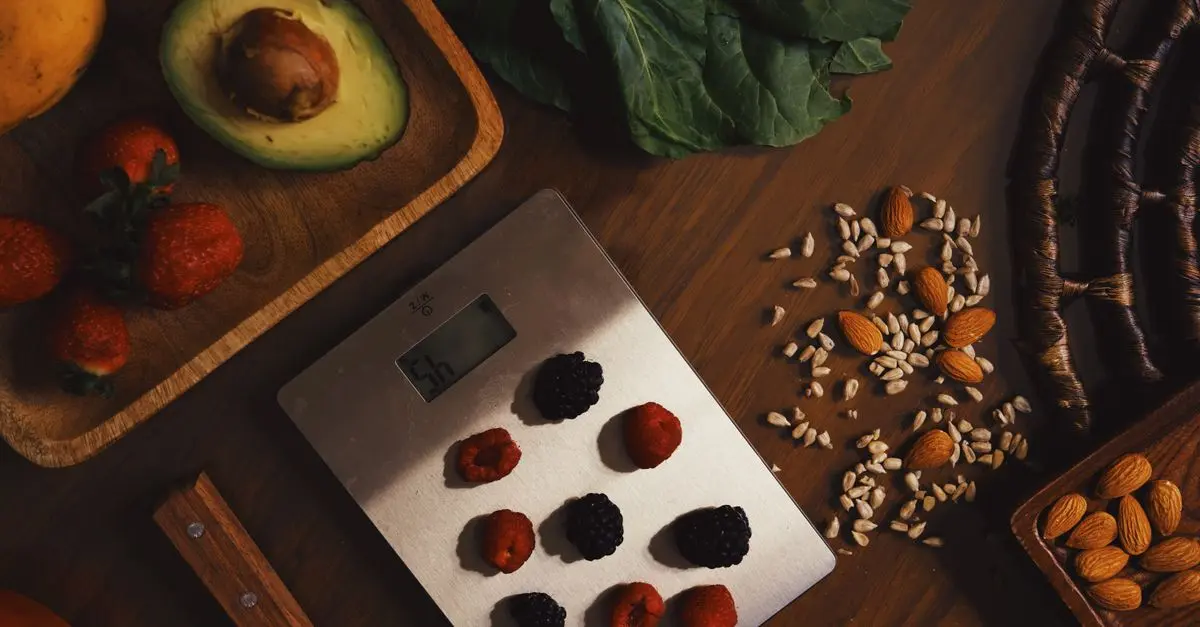
Maintaining a balanced vegan diet is crucial for ensuring you get all the essential nutrients needed for optimal health. In recent years, the popularity of veganism has surged, with many individuals choosing plant-based lifestyles for their health, ethical beliefs, and environmental concerns. However, shifting to a vegan diet requires careful planning to avoid deficiencies in crucial vitamins and minerals. This article will explore ten key tips to help you manage a nutritious and balanced vegan diet, making it easier for you to thrive on plants.
1. Understand Nutritional Needs
Understanding your nutritional needs is the first step towards maintaining a balanced vegan diet. A well-rounded vegan diet is rich in fruits, vegetables, whole grains, nuts, and seeds, but it’s essential to ensure that you're meeting your daily requirements for protein, vitamins, and minerals. For instance, proteins can easily come from legumes, tofu, and tempeh, while sources of iron include lentils and chickpeas. According to the British Dietetic Association, careful selection of food can cover all dietary needs without animal products, ensuring a healthy and balanced diet.
2. Incorporate Various Food Groups
Incorporating a variety of food groups is essential for achieving a balanced vegan diet. This means consuming an array of colourful fruits and vegetables, whole grains, legumes, nuts, and seeds. Each food group provides unique vitamins and minerals vital for your overall health. For example, leafy greens like spinach are excellent sources of calcium and leafy greens like kale can offer potassium. Aim for a rainbow on your plate to ensure broad nutrient coverage.


Superior Sound Quality Oxygen Free Copper Heavy Duty 3pin XLR Male to female microphone Balanced cable
Alibaba UK
3. Monitor Key Nutrients
Certain nutrients are crucial in a vegan diet. Vitamin B12, iron, calcium, and omega-3 fatty acids are nutrients often lacking in vegan diets. For instance, Vitamin B12 is primarily found in animal products and can lead to deficiency if not supplemented. Many vegans turn to fortified foods or supplements to meet their B12 needs. Checking your nutrient levels through regular blood tests is advisable to prevent any deficiencies.
4. Plan Your Meals
Meal planning simplifies maintaining a balanced vegan diet. When you plan your meals in advance, you can ensure that your diet includes all necessary nutrients. Consider preparing meals for the week ahead, including breakfast options like smoothie bowls packed with spinach, bananas, and chia seeds. Include a variety of protein sources, such as lentils and chickpeas in your dishes. Preparing your meals also helps avoid the pitfalls of convenience foods that may not meet your dietary needs.
5. Discover Plant-Based Proteins
Plant-based proteins should be a cornerstone of your vegan meal plan. Good sources include beans, lentils, quinoa, and tofu. Each variation offers a unique amino acid profile, making it essential to combine different protein sources. For example, pairing beans with rice creates a complete protein profile. Studies suggest that adequately consuming protein can aid muscle health and overall wellbeing, making protein-rich foods essential in a vegan diet.
6. Stay Hydrated
Staying hydrated is an often-overlooked component of a balanced vegan diet. Water plays a fundamental role in digestion, nutrient absorption, and energy levels. It’s crucial to drink sufficient fluids daily, especially if you increase your intake of high-fibre foods typical in a vegan diet. Drinking herbal teas or including fruits with high water content, such as watermelon or cucumbers, can aid hydration.

5m XLR Plug to 1/4 Inch Stereo Jack Plug Cable (TRS) Balanced Audio Cable
TV Cables

XLR 3P Male to XLR 3P Female Black professional XLR microphone Cables Balanced Mic Snake Patch Cord
Alibaba UK
7. Experiment with Nutritional Yeast
Nutritional yeast has emerged as a popular supplement in vegan cooking, adding a cheesy flavour to various dishes. Rich in B vitamins, including B12 when fortified, it’s a fantastic way to enhance nutrient intake. You can sprinkle it on popcorn, pasta, or blended into sauces for an added nutrient boost. Many vegans consider it a pantry essential for both flavour and nutrition.
8. Be Mindful of Processed Foods
While following a vegan diet, it’s easy to rely on processed vegan foods. However, many of these options can be high in sugars, unhealthy fats, and preservatives. Instead, focus on whole, unprocessed foods that deliver the most nutrients. Always read labels and opt for items with short ingredient lists. A study by the American Journal of Clinical Nutrition indicates that whole foods lead to better health outcomes than highly processed alternatives.
9. Seek Professional Guidance
If you’re new to veganism, seeking guidance from a registered dietitian who understands vegan nutrition can be invaluable. They can assist you in planning a balanced diet and provide personalized advice tailored to your lifestyle. This support is particularly beneficial when navigating potential deficiencies, ensuring you’re making informed food choices.
10. Regularly Review Your Diet
Regularly reviewing your diet helps to ensure that you maintain a balanced vegan diet over time. Track your food intake and conduct self-assessments to identify any gaps in nutrient consumption. Adjust your meal plans as needed and stay informed about new vegan products and nutrition research. By doing so, you’ll remain equipped to make informed decisions about your diet.
Question: What should I eat to ensure I have a balanced vegan diet?
Answer: Focus on a variety of fruits, vegetables, whole grains, legumes, nuts, and seeds to cover all nutrient bases.
Question: How can I make sure I am getting enough protein as a vegan?
Answer: Incorporate a variety of plant-based protein sources such as beans, lentils, tofu, and quinoa in your meals.
Question: What supplements should I consider as a vegan?
Answer: Vitamin B12, Vitamin D, omega-3 fatty acids, and iron are important supplements to consider.
Question: How often should I consult a nutritionist as a vegan?
Answer: Regular consultations, especially when transitioning to a vegan diet or experiencing health changes, can greatly benefit your nutrition planning.
Checklist before making dietary changes:
- [ ] Assess your nutrient intake regularly
- [ ] Include diverse food sources in your meals
- [ ] Experiment with new recipes weekly
- [ ] Stay hydrated throughout the day
- [ ] Consult a nutritionist when in doubt
Glossary
| Term | Definition |
|---|---|
| Vitamin B12 | A vitamin essential for nerve function found primarily in animal products and certain fortified foods. |
| Omega-3 fatty acids | Essential fats important for heart health, primarily found in flaxseeds, walnuts, and algae oils. |
| Plant-based proteins | Proteins derived from plant sources such as legumes, grains, and nuts, important for muscle maintenance. |
📺 Resource Video
> For further insights: *
Recommended products
Selected by our experts

Citronic 6m Classic 6.35mm 1/4" Jack Plug to 3 Pin XLR Male Stereo TRS Balanced
Boxed2me

ROCK Zircon Stereo Earphone jack In Ear Headset Micro 3.5mm In Balanced Immersive Bass Earphones for iPhone for Xiaomi music
Alibaba UK

XLR Balanced Attenuator Adaptor-10dB 3Pin Audio Connector IN LINE VOLUME Adapter
Boxed2me