Contents (14 sections)
In the realm of vegan cooking, the right ingredients can transform ordinary meals into culinary masterpieces. Stocking your kitchen with essential vegan ingredients not only enhances the flavour of your dishes but also ensures that you have the necessary components to create diverse and healthful meals. Whether you're a seasoned vegan or just beginning your journey, knowing which ingredients to stock can make a significant difference in your cooking experience. This article delves into the ten essentials you should have in your kitchen to live a vegan lifestyle that is both delicious and nutritious.
1. Nutritional Yeast: The Cheese Alternative
Nutritional yeast is a staple ingredient for many vegans, often described as the ‘cheese’ of the plant-based world. This inactive yeast is packed with protein, vitamins (especially B12), and minerals, making it a nutritional powerhouse. It has a unique savoury flavour that enhances dishes such as pasta, popcorn, and sauces. You can sprinkle it on salads or mix it into vegan cheeses to replicate that beloved cheesy taste. Many brands offer fortified versions, providing an excellent source of nutrients that are often lacking in vegan diets. If you want to boost your culinary creativity, keep this versatile ingredient on hand.
2. Legumes: The Protein Powerhouse
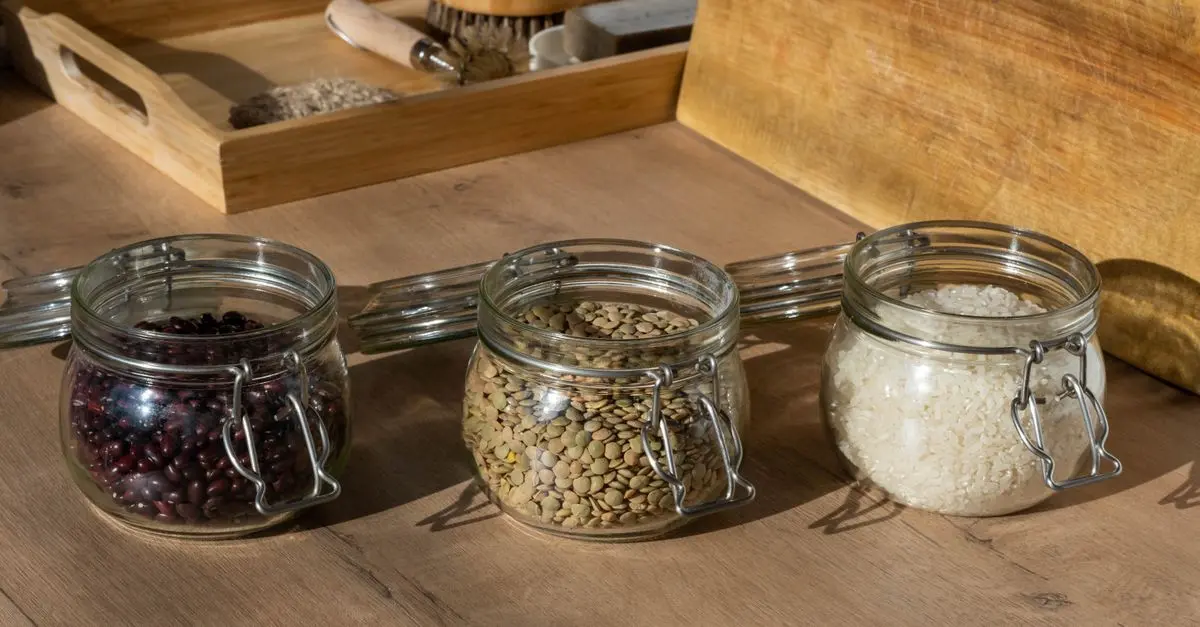
Legumes, including lentils, chickpeas, and black beans, are fundamental sources of plant-based protein essential for any vegan diet. They are not only rich in protein but are also high in fibre, which supports digestive health. Lentils, for example, cook quickly and can be used in soups, stews, or salads, while chickpeas can be transformed into hummus or roasted for a crunchy snack. The versatility and affordability of legumes make them a must-have in any vegan pantry. According to the FAO, legumes should make up a significant portion of a vegan diet to ensure protein needs are met.


Nudestix Nudeskin Hydra-Peptide Lip Butter Tint Set gift set for lips
notino.co.uk
3. Whole Grains: The Mainstay of Meals
Whole grains such as quinoa, brown rice, and whole-grain pasta serve as excellent bases for meals, providing essential carbohydrates for energy. Quinoa is particularly beneficial as it is a complete protein, offering all nine essential amino acids. These grains can be easily prepared in bulk and used throughout the week in salads, bowls, or as side dishes. The benefits of incorporating whole grains into your diet include improved heart health and better digestion, as they are high in nutrients and fibre. Having a variety of whole grains in your kitchen can elevate your meal prep and overall dietary health.
4. Plant-Based Milks: Dairy Alternatives
With the rise of the vegan movement, the market for plant-based milks has expanded significantly. Whether you prefer almond, soy, oat, or coconut milk, these alternatives can cater to diverse tastes and dietary requirements. Plant-based milks can be used in various recipes, from smoothies to baking and cooking. Some options are fortified with vitamins and minerals, providing a similar nutritional profile to dairy milk. Choose unsweetened varieties to keep added sugars in check and explore different brands to discover your favourite tastes and textures. This ingredient not only complements your cooking but also supports lactose-intolerant and dairy-free lifestyles.
5. Fresh Produce: The Heart of Vegan Cuisine
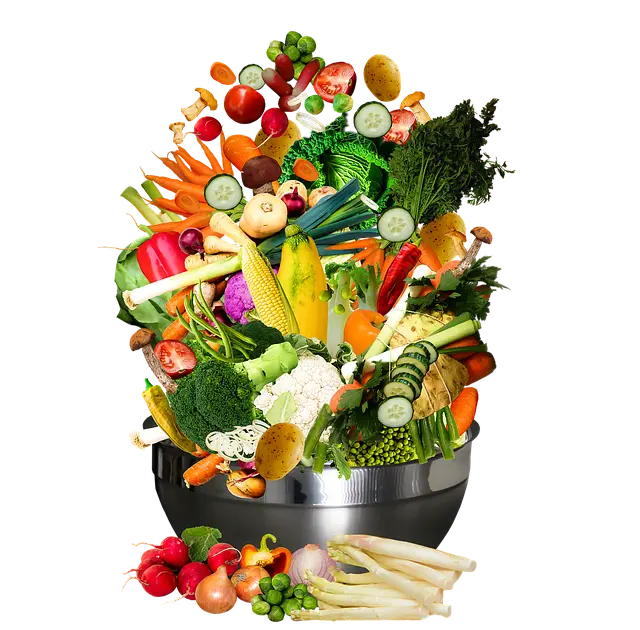
A well-stocked kitchen should always feature diverse fresh produce. Vegetables like spinach, kale, broccoli, and carrots, along with fruits such as bananas, berries, and apples, are not only delicious but also packed with vitamins, minerals, and antioxidants. Fresh produce can be used in various dishes, from salads to smoothies and stir-fries. Seasonal fruits and vegetables often provide the best flavours and nutrients, so consider shopping at local markets. Eating a variety of produce not only contributes to your health but also keeps meals exciting and colourful.
6. Plant-Based Oils: Essential Fats
Plant-based oils, such as olive oil and coconut oil, are crucial for adding flavour and healthy fats to vegan dishes. Olive oil is rich in monounsaturated fats and antioxidants, making it a heart-healthy choice for dressings or cooking. Coconut oil, while higher in saturated fat, provides a unique flavour and is excellent for baking or frying. Using oils can enhance the texture and taste of meals while providing necessary fats that are vital for nutrient absorption. Ensure you have both on your shelf to diversify the flavour profiles of your meals.


7. Spices and Herbs: Flavour Enhancers
A well-stocked spice rack is crucial for creating flavourful vegan dishes. Essential spices like cumin, turmeric, cinnamon, and paprika can elevate the taste of your meals significantly. Fresh herbs, such as basil, cilantro, and parsley, not only add depth of flavour but also have health benefits. Many recipes can be enhanced simply by sprinkling in the right spices or herbs, making cooking more enjoyable and diverse. Create blends or explore global cuisines to keep your dishes exciting and vibrant.
8. Tofu and Tempeh: Versatile Proteins
Tofu and tempeh are two primary plant-based protein sources that deserve a place in any vegan kitchen. Tofu, often referred to as bean curd, can be used in a variety of ways, from stir-fries to smoothies, and can soak up flavours beautifully when marinated. Tempeh, on the other hand, is a fermented product made from soybeans, offering a nuttier taste and more protein than tofu. Both ingredients are incredibly versatile and can be used to create a multitude of dishes, catering to various culinary styles, from Asian to Mediterranean.
9. Seeds and Nuts: Nutrient-Rich Snacks
Seeds and nuts, such as chia seeds, flaxseeds, almonds, and walnuts, are packed with healthy fats, protein, and essential nutrients. They make excellent snacks and can be added to smoothies, salads, or yoghurts for an extra boost of nutrition. Chia seeds, when soaked, create a gel-like consistency that can be used in puddings or as a thickening agent in soups. Nuts and seeds not only offer crunch but also boost satiety, making them a great option for on-the-go snacking. Incorporate these into your meals to enhance flavour and nutritional value.
10. Vegan Condiments: Enhancing Flavours
Having a variety of vegan condiments at hand can significantly enhance the taste of your meals. Options like soy sauce, hot sauce, vegan mayonnaise, and mustard can transform simple dishes into gourmet experiences. They add depth, creaminess, or a kick of flavour that can elevate even the most basic ingredients. Experimenting with different condiments allows for creativity in the kitchen, making meals more satisfying and enjoyable.
Checklist before stocking your kitchen:
- [ ] Stock up on diverse fresh produce.
- [ ] Include a variety of legumes for protein.
- [ ] Buy whole grains in bulk.
- [ ] Keep several plant-based milks on hand.
- [ ] Have a selection of spices and herbs.
- [ ] Incorporate seeds and nuts.
- [ ] Select quality plant-based oils.
- [ ] Add nutritional yeast for versatility.
- [ ] Try tofu and tempeh for diverse protein sources.
- [ ] Stock up on your favourite vegan condiments.
Glossaire
| Terme | Définition |
|---|---|
| Nutritional Yeast | An inactive yeast, rich in vitamins, often used as a cheese substitute in vegan cooking. |
| Legumes | Edible seeds from plants of the legume family, high in protein and fibre. |
| Tempeh | A fermented soybean product, richer in protein and nutrients than tofu, with a firm texture. |
> 📺 Pour aller plus loin : Essential Vegan Cooking Ingredients, une analyse complète de la cuisine végétalienne. Recherchez sur YouTube :
essential vegan ingredients 2026.
📺 Pour aller plus loin : essential vegan ingredients 2026 sur YouTube
Recommended products
Selected by our experts


Hemway Powder Pigment Metallic Sapphire Blue Epoxy Resin, Cosmetic, Candle
hemway.com