Contents (14 sections)
Maintaining a balanced vegan diet is crucial for ensuring that you receive all the necessary nutrients while adhering to plant-based eating. A well-rounded vegan plan focuses on variety and nutrient density, enabling you to enjoy the benefits of veganism while avoiding common pitfalls. This article explores ten essential tips to maintain a healthy and balanced vegan diet.
1. Embrace Variety
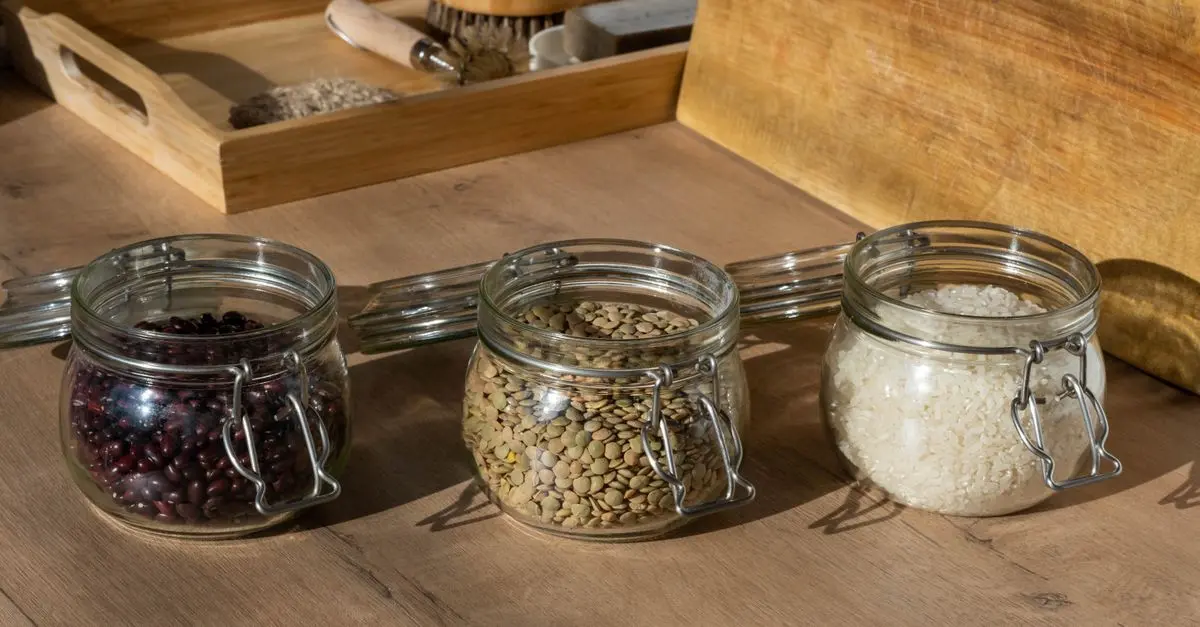
A common misconception about veganism is that it is a limited diet. In reality, embracing a wide range of plant-based foods is essential for a balanced vegan diet. Incorporate fruits, vegetables, whole grains, nuts, seeds, and legumes into your daily meals. By diversifying your food intake, you'll not only enjoy different flavours and textures but also ensure you're consuming a broad spectrum of vitamins and minerals. For instance, mixing leafy greens with colourful vegetables, such as carrots and bell peppers, provides both nutrients and antioxidants, promoting overall health.
2. Prioritise Protein Sources
Protein is vital for bodily functions, and it is essential to include various plant-based sources in your diet. Legumes, tofu, tempeh, lentils, and quinoa are excellent options. For instance, a 100g serving of lentils contains about 9g of protein, making it a robust addition to salads and soups. Additionally, consider incorporating plant-based protein powders into smoothies after workouts to boost your protein intake. This will help not only in muscle maintenance but also in satiety.


5m XLR Plug to 1/4 Inch Stereo Jack Plug Cable (TRS) Balanced Audio Cable
TV Cables
3. Don't Forget About B12
Vitamin B12 is crucial for nerve function and red blood cell production, yet it is primarily found in animal products. Vegans should consider fortified foods or a B12 supplement. According to a study published by the British Journal of Nutrition, a significant proportion of vegans show low levels of this vitamin. Therefore, it's advisable to check levels regularly and discuss supplementation with a healthcare professional. We recommend considering quality Vitamin B12 supplements to ensure adequate intake.
4. Mind Your Fats
Healthy fats play a significant role in a balanced diet, aiding in nutrient absorption and hormone regulation. Incorporate sources like avocados, nuts, seeds, and olive oil into your meals. For example, blending an avocado into smoothies not only enriches your diet with healthful fats but also creates a creamy texture. Moreover, walnuts and flaxseeds are great sources of omega-3 fatty acids, which can help combat inflammation and improve heart health.
5. Hydration Matters
Staying well-hydrated is often underestimated. On a vegan diet, particularly one rich in fibre from whole foods, drinking enough water is vital to prevent digestive issues. Aside from water, herbal teas and smoothies can contribute to hydration levels. Aim for at least 2 litres of fluid daily, and consider monitoring your intake through a simple app or water bottle. Additionally, including water-rich fruits, such as cucumbers and watermelon, can help maintain hydration.
6. Choose Whole Foods Over Processed Ones
While many vegan products are available, not all are nutritious. Prioritising whole foods will provide more vitamins, minerals, and fibre compared to processed vegan options. For instance, choose whole grains like brown rice or quinoa over white bread. Not only do whole foods sustain longer energy levels, but they also support digestion and overall well-being. Enjoy fruits in their natural form rather than as juices for maximum fibre intake.

Superior Sound Quality Oxygen Free Copper Heavy Duty 3pin XLR Male to female microphone Balanced cable
Alibaba UK

XLR 3P Male to XLR 3P Female Black professional XLR microphone Cables Balanced Mic Snake Patch Cord
Alibaba UK
7. Supplements Are Your Friends
In addition to B12, consider other supplements like Vitamin D, iron, and omega-3 fatty acids depending on your dietary choices and lifestyle. Research by The Journal of Clinical Endocrinology & Metabolism suggests that especially in colder months, Vitamin D supplementation becomes increasingly important for vegans. Always consult with a healthcare professional to determine your specific needs and dosage.
8. Set a Meal Prep Routine
Planning your meals can significantly improve your chances of maintaining a balanced vegan diet. Setting aside time each week to prepare meals ensures you have wholesome options readily available. Additionally, experimenting with batch cooking can save time during busy weekdays while ensuring you stick to your nutritional goals. Preparing quinoa salads, vegetable stir-fries, or bean-based dishes can provide convenient, nutritious meals throughout the week.
9. Monitor Your Micronutrients
Regularly checking your micronutrient levels can help ensure you're covering all bases. Nutrients like iron, calcium, and zinc can sometimes be lower in a vegan diet. Incorporate foods such as lentils for iron, fortified plant milk for calcium, and pumpkin seeds for zinc. By staying vigilant about your micronutrients, you'll avoid deficiencies that could impact your overall health.
10. Seek Support and Community
Engaging with like-minded individuals can provide motivation and valuable insights into maintaining a balanced diet. Consider joining vegan groups, whether online or in-person, to share recipes, tips, and encouragement. Many communities also organise events, potlucks, or workshops, making it easier to remain inspired in your vegan journey. Knowing you’re not alone can significantly enhance your commitment.
Checklist before Going Vegan
- [ ] Embrace variety in food choices
- [ ] Prioritise protein sources in meals
- [ ] Include Vitamin B12 in your diet
- [ ] Incorporate healthy fats in moderation
- [ ] Ensure proper hydration daily
- [ ] Opt for whole foods over processed
- [ ] Consider necessary supplements
- [ ] Establish a meal prep routine
- [ ] Monitor micronutrient intake
- [ ] Engage with a supportive community
Glossary
| Term | Definition |
|---|---|
| Vitamin B12 | A water-soluble vitamin crucial for red blood cell formation and nervous system health, often lacking in vegan diets. |
| Omega-3 Fatty Acids | Essential fats important for heart health and brain function, predominantly found in fatty fish and some plant sources like flaxseeds. |
| Micronutrients | Vitamins and minerals required in small amounts for proper body function, often found in fruits, vegetables, grains, and legumes. |
📺 Pour aller plus loin : How to Maintain a Balanced Diet on a Vegan Lifestyle, an analysis of sustaining nutrient levels on a plant-based diet. Search on YouTube: "balanced vegan diet tips 2026".
📺 Pour aller plus loin : balanced vegan diet tips 2026 sur YouTube
Recommended products
Selected by our experts

Citronic 6m Classic 6.35mm 1/4" Jack Plug to 3 Pin XLR Male Stereo TRS Balanced
Boxed2me

ROCK Zircon Stereo Earphone jack In Ear Headset Micro 3.5mm In Balanced Immersive Bass Earphones for iPhone for Xiaomi music
Alibaba UK

XLR Balanced Attenuator Adaptor-10dB 3Pin Audio Connector IN LINE VOLUME Adapter
Boxed2me