Contents (11 sections)
Transitioning to a vegan lifestyle can be a rewarding experience, but it often requires a thoughtful approach to meal planning. Vegan meal planning is not just about eliminating animal products; it’s about ensuring you consume a balanced and nutritious diet that meets your needs. This guide will walk you through essential steps to create a meal plan that suits your vegan lifestyle.
1. Understand the Basics of Vegan Nutrition
Before you dive into meal planning, it’s crucial to grasp the foundational aspects of vegan nutrition. A balanced vegan diet should include a variety of fruits, vegetables, whole grains, legumes, nuts, and seeds to ensure you get adequate macronutrients and micronutrients. Key vegan nutrients to focus on include:
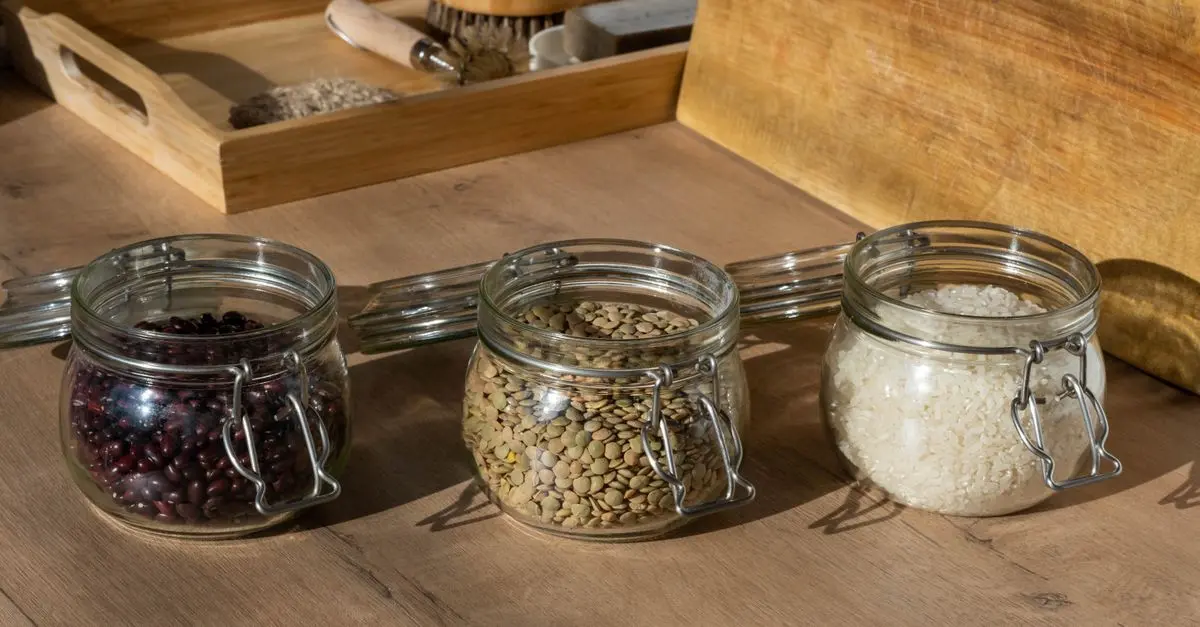
- Proteins: Lentils, chickpeas, quinoa, and nuts are excellent sources.
- Vitamins and Minerals: Pay attention to Vitamin B12, iron, calcium, and omega-3 fatty acids, often low in plant-based diets. You may need fortified foods or supplements.
- Fibre: Plant-based foods are typically high in fibre, beneficial for digestion and overall health.
Understanding these elements sets a strong foundation for successful vegan meal planning. As you become familiar with your nutritional needs, you can make more informed choices that cater to your dietary requirements.
2. Set Clear Goals for Your Meal Plan
The next step involves setting specific goals for your vegan meal plan. Consider your lifestyle and personal preferences. Do you want quick meals for busy workdays, or are you looking for more elaborate dishes for weekend cooking? Perhaps you’re aiming to lose weight, gain muscle, or simply maintain a healthy lifestyle. Establish your priorities, which might include:
- Meal preparation for the week ahead
- Incorporating new recipes to avoid monotony
- Ensuring variety and balance in your meals
This goal-setting will guide your choices when selecting recipes and shopping for ingredients, helping you stick to your meal plan.
3. Create a Weekly Meal Schedule
With your nutritional understanding and goals defined, it’s time to create a meal schedule. A weekly calendar allows you to plan breakfast, lunch, dinner, and snacks.
- Example Meal Plan:
- Monday: Quinoa salad with chickpeas, spinach, and lemon vinaigrette.
- Tuesday: Stir-fried tofu with mixed vegetables and brown rice.
- Wednesday: Lentil soup with whole-grain bread.
This structured approach not only helps in managing your time but also reduces food waste by allowing you to use the same ingredients across multiple meals. When planning, consider batch cooking some meals ahead of time to ease daily preparation.
4. Make a Detailed Shopping List
Once your meal schedule is in place, create a shopping list based on the recipes you’ve chosen. Organise your list by categories such as:
- Fruits and vegetables
- Grains and legumes
- Nuts and seeds
- Condiments and spices
This organisation will streamline your shopping experience and help you avoid impulse purchases that may not align with your vegan goals. Shopping with a clear list can also aid in budgeting, keeping your grocery costs in check while ensuring you get everything you need.
5. Prepare and Portion Your Meals
Meal prep is a cornerstone of effective vegan meal planning. Spend a few hours at the beginning of the week cooking and portioning your meals. This saves time and ensures that you have nutritious options readily available. Here’s how to maximise your meal prep:
- Cook in bulk: Prepare larger portions of grains and legumes that can be used in various dishes throughout the week.
- Portion control: Use containers to divide meals into single servings. Label each container with the meal name and date for clarity.
This preparation will keep you motivated to maintain your vegan lifestyle, as having meals readily available reduces the temptation to stray from your plan.
6. Experiment with Recipes and Flavours
To avoid boredom and keep your meals exciting, regularly experiment with new recipes and ingredients. Explore global cuisines that naturally feature vegan options, such as Indian, Mediterranean, or Thai dishes. Incorporating diverse flavours can spark creativity in the kitchen, making meal prep an enjoyable activity rather than a chore. Resources like cookbooks, food blogs, and culinary YouTube channels can offer inspiration and guidance.
7. Review and Adjust Your Plan Regularly
Meal planning is an evolving process. Regularly review your meal plan to assess what worked well and what didn’t. Are there recipes that you loved or hated? Did you find yourself constantly craving certain foods? Adjust your plan accordingly. Checking in on your goals can ensure that you maintain a balanced diet and keep your vegan lifestyle aligned with your personal preferences.
8. Checklist Before You Start Meal Planning
To ensure you are prepared for successful meal planning, follow this checklist:
- [ ] Understand your nutritional needs as a vegan.
- [ ] Set clear goals for your meal plan.
- [ ] Create a weekly meal schedule.
- [ ] Make a detailed shopping list.
- [ ] Prepare and portion meals ahead of time.
- [ ] Experiment with new recipes and flavours.
- [ ] Review and adjust your plan regularly.
💡 Avis d'expert: La planification des repas ne doit pas être rigidement suivie. La flexibilité dans votre plan vous aidera à mieux respecter vos engagements et à profiter de votre alimentation.
📺 Ressource Vidéo
> 📺 Pour aller plus loin : Discover effective vegan meal planning tips, une analyse complète de la planification de repas végétaliens. Recherchez sur YouTube : vegan meal planning guide 2026.
Glossaire
| Terme | Définition |
|---|---|
| Veganisme | Style de vie qui exclut tous les produits d'origine animale. |
| Nutriments | Composés essentiels pour le fonctionnement de l'organisme, tels que protéines, glucides et vitamines. |
| Planification des repas | Processus de création d'un calendrier d'alimentation pour optimiser la nutrition et la préparation des repas. |