Contents (11 sections)
In recent years, veganism has surged in popularity, not just among those who adhere strictly to plant-based diets, but also among people who are looking to include healthier options in their meals. Vegan comfort food brings the warmth and nostalgia of classic recipes while catering to a plant-based lifestyle. In this article, we will cover how to convert your beloved comfort foods into delicious vegan dishes that everyone will enjoy.
1. Understanding Vegan Comfort Food
Vegan comfort food can be defined as hearty dishes that evoke a sense of warmth and nostalgia, traditionally made without any animal products. This type of cuisine challenges the perception that vegan food lacks texture and flavour. According to recent studies, nearly 25% of the UK population is reducing their meat intake or identifying as vegan or vegetarian as of 2026. This shift opens doors for creative cooking and new interpretations of beloved classics.
The essence of comfort food lies in its ability to provide emotional satisfaction, which can be successfully replicated using plant-based ingredients. Dishes like macaroni and cheese, shepherd's pie, and chocolate cake can easily be veganised with simple substitutes. For instance, using cashew cream instead of dairy milk can create a rich, creamy texture in sauces while adding nutritional value.
2. Ingredients to Embrace in Vegan Cooking
The transition from traditional to vegan comfort food often hinges on choosing the right ingredients. Here are some substitutes to consider:
- Plant-based milk (e.g., almond, soy, oat) instead of cow's milk.
- Nutritional yeast to provide a cheesy flavour.
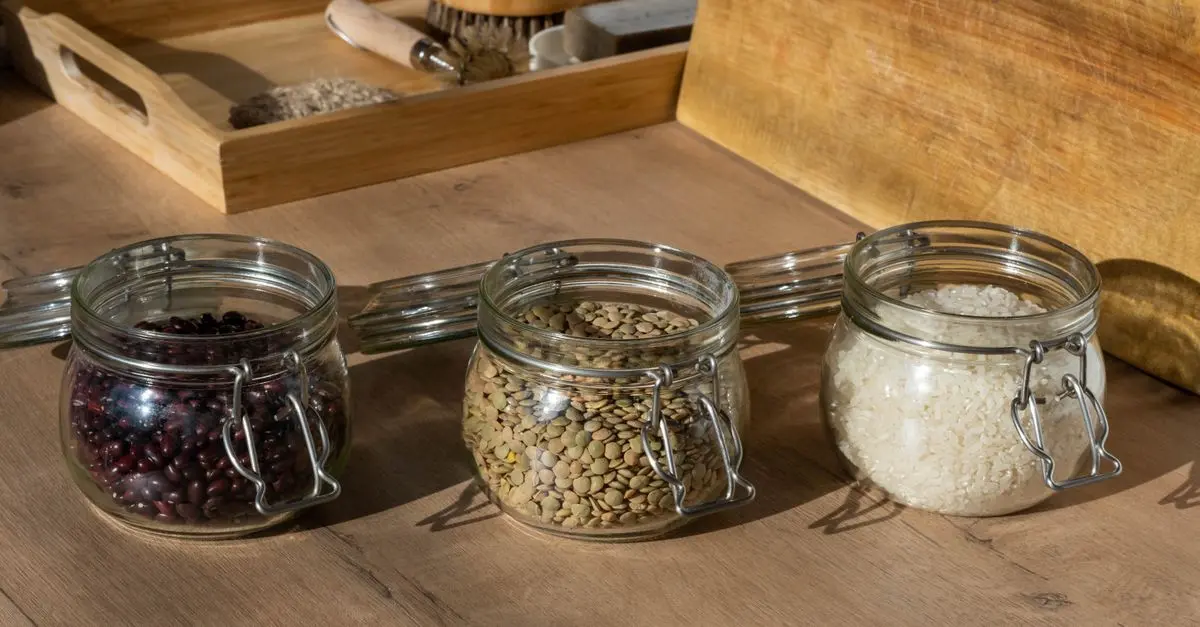
- Chickpeas and lentils as excellent sources of protein, replacing meat in many recipes.
- Flax seeds or chia seeds as egg replacements in baking.
- Coconut cream for rich desserts instead of heavy creams.
When embracing the vegan lifestyle, it's essential to explore various plant-based products available in supermarkets today. With brands like Alpro or Oatly, finding suitable alternatives is easier than ever. It’s advisable to read labels for added sugars or preservatives, aiming for whole food ingredients whenever possible.
3. Step-by-Step: Making Vegan Mac and Cheese
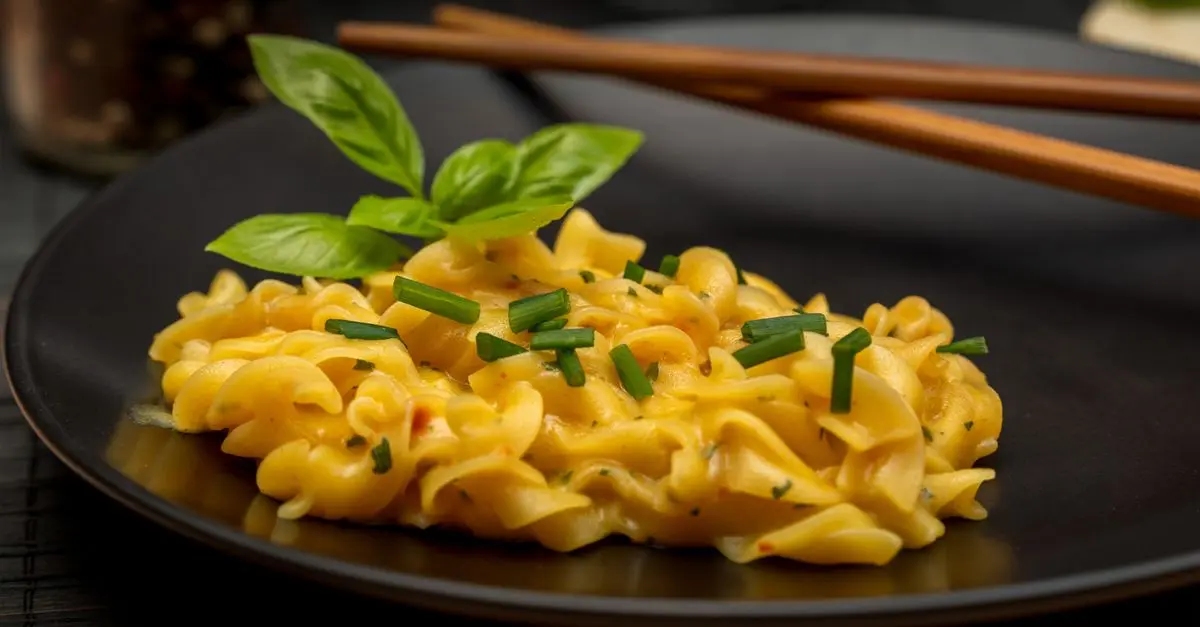
Transforming a classic dish like macaroni and cheese into a vegan-friendly version can be both simple and rewarding. Follow these steps:
- Ingredients Needed:
- 200g of macaroni (whole grain or gluten-free)
- 1 cup of raw cashews (soaked for at least 2 hours)
- 1 cup of nutritional yeast
- 1/2 cup of unsweetened plant-based milk (almond or oat)
- 1 tsp of garlic powder
- Salt and pepper to taste.
- Cooking the Pasta:
Boil the macaroni in salted water according to package instructions. Drain and set aside once cooked al dente.
- Making the Cheese Sauce:
In a blender, combine soaked cashews, nutritional yeast, plant-based milk, garlic powder, salt, and pepper. Blend until smooth and creamy, tasting and adjusting the seasoning as needed.
- Combining:
Pour the cheese sauce over the macaroni, mixing well until every piece is coated. If you prefer a richer taste, consider adding a splash of lemon juice for brightness.
- Baking (Optional):
For a baked version, transfer to an oven-proof dish, sprinkle with breadcrumbs, and bake at 180°C for 20 minutes.
4. Tips for Perfecting Your Vegan Comfort Food
When transitioning traditional recipes, here are tips and common pitfalls to avoid:
- Avoiding Over-Processing: Many opt for store-bought vegan cheeses, which can be high in preservatives. Making from scratch ensures healthiness and flavour.
- Balancing Flavours: Vegan ingredients might require different balance points, particularly with spices and acidity. Don't shy away from tasting and adjusting!
- Textures Matter: Incorporate different textures into your meals. For example, crispy tofu can provide a fantastic contrast to creamy sauces and soups.
5. Common Mistakes to Avoid
Beginning your journey into vegan comfort food can come with challenges. Here’s how to sidestep common mistakes:
- Using Too Much Salt: Many processed vegan items can be high in sodium. Try to flavour with herbs even as you're starting to experiment with vegan recipes.
- Neglecting Nutritional Balance: Ensure your vegan meals contain enough protein, vitamins, and minerals. Beans, seeds, and a variety of veggies can help achieve this.
- Presuming Vegan is Boring: A tendency exists to stick to basic meals. Explore a wide variety of flavours and cuisines to keep your meals exciting.
6. Recipe Comparison Table
Here’s a comparison of a few classic comfort food dishes and their vegan counterparts:
| Dish | Traditional Version | Vegan Version | Verdict |
|---|---|---|---|
| Macaroni and Cheese | Cheddar cheese, milk, butter | Cashew cheese, nutritional yeast, plant milk | Just as creamy! |
| Shepherd's Pie | Minced beef, potatoes, gravy | Lentils or mushrooms, mashed potatoes | Full of flavour! |
| Chocolate Cake | Eggs, butter, milk | Flax eggs, coconut oil, almond milk | Equally indulgent! |
| Ice Cream | Cream, sugar, eggs | Coconut milk, agave syrup, fruit | Just as tasty! |
Q1: What are some easy vegan replacements for common ingredients?
A1: Consider using flax eggs in baking, nutritional yeast for cheesy flavours, and plant-based milk in creamy dishes.
Q2: Are vegan comfort foods lower in calories?
A2: It varies by recipe. Whole food ingredients often contain fewer calories, but added sugars and oils can increase calorie counts.
Q3: Can vegan comfort foods be just as filling?
A3: Yes! Plant-based proteins such as lentils and chickpeas can provide satiation comparable to meat.
Q4: How can I ensure my vegan meals are balanced?
A4: Incorporate a variety of vegetables, whole grains, and protein sources to meet nutritional needs.
📺 For further insight: Delicious Vegan Mac and Cheese Recipe, a step-by-step guide to making this popular dish. Search on YouTube: vegan comfort food recipes.
Checklist before you start cooking
- [ ] Gather all ingredients listed.
- [ ] Pre-soak your cashews (if making sauces).
- [ ] Preheat the oven if baking any dish.
- [ ] Ensure your spices are fresh.
- [ ] Taste and adjust your sauces for flavour balance.
Glossary
| Terme | Définition |
|---|---|
| Veganisation | Le processus de rendre un plat compatible avec un régime vegan. |
| Nutritional Yeast | Une levure inactivée souvent utilisée pour ajouter une saveur fromagère dans les plats véganes. |
| Plant-based Protein | Protéines dérivées de plantes, telles que les lentilles, les haricots et le tofu. |
> 💡 Expert Opinion: “Adapting traditional comfort foods to vegan recipes not only promotes a healthier lifestyle but also opens your palate to new flavours and textures. Embrace the challenge!”