Contents (14 sections)
Eating a plant-based diet can be incredibly beneficial for your health, but ensuring you get enough protein can sometimes be a challenge. This article explores the best sources of plant-based proteins that can easily be incorporated into your vegan diet. Whether you’re a lifelong vegan or just starting your journey, understanding these sources is essential for optimal health.
1. Lentils: A Nutritional Powerhouse
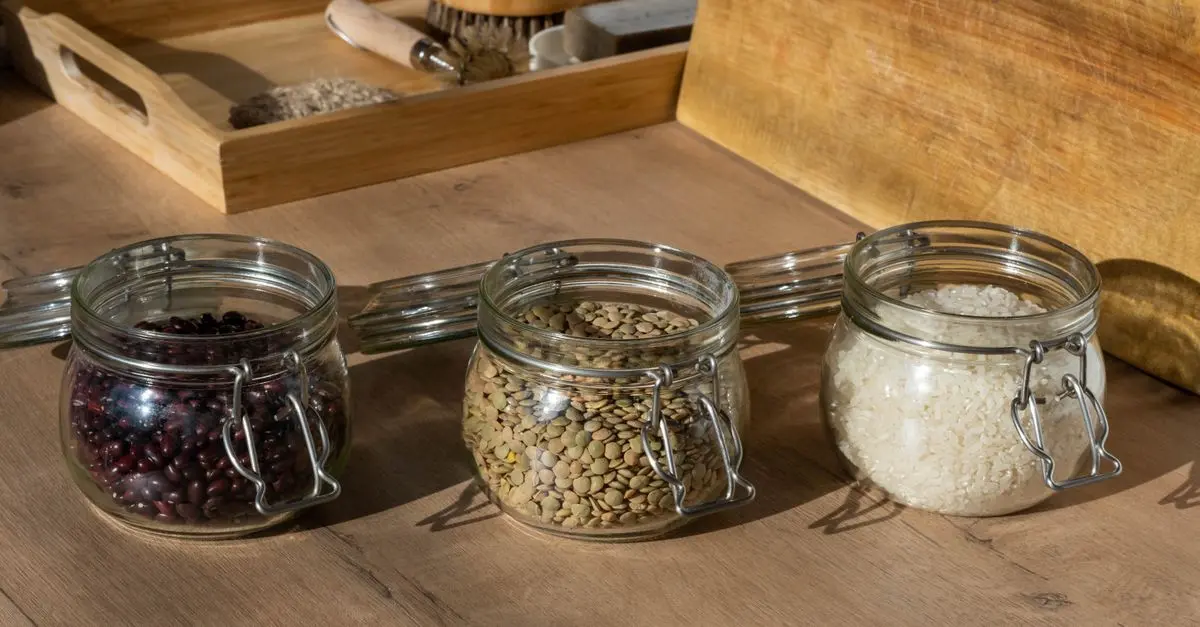
Lentils are one of the richest sources of plant-based proteins, providing around 18 grams of protein per cooked cup. They also offer an impressive amount of iron, folate, and dietary fibre. Lentils are versatile and can be used in soups, salads, and even lentil burgers. Not only do they contribute to your protein intake, but their high fibre content also supports digestive health, keeping you feeling full for longer.
2. Chickpeas: A Versatile Staple
Chickpeas, or garbanzo beans, are another fantastic source of plant-based protein, with about 15 grams per cooked cup. They can be incorporated into a variety of dishes, from salads to curries, and are a key ingredient in hummus. Rich in nutrients such as magnesium and potassium, chickpeas help regulate blood pressure and maintain muscle function. Furthermore, they are beneficial for weight management due to their high protein and fibre content.

Rule One Proteins, Multi-Source Collagen + Vitamin C and Hyaluronic Acid, Unflavored, 9.26 oz (262.5 g)
uk.iherb.com
3. Quinoa: A Complete Protein
Quinoa is often celebrated as a superfood, and for good reason. Unlike many plant-based proteins, it is a complete protein, meaning it contains all nine essential amino acids. One cup of cooked quinoa provides approximately 8 grams of protein. It’s also rich in magnesium, iron, and B vitamins. Quinoa can be used as a base for salads, served as a side dish, or even used in breakfast bowls.
4. Chia Seeds: Tiny But Mighty
Don't underestimate these tiny seeds; chia seeds pack a punch when it comes to protein, providing about 5 grams per ounce. They are also rich in omega-3 fatty acids and are an excellent source of fibre, promoting gut health and aiding in digestion. Chia seeds can easily be added to smoothies, puddings, or even sprinkled over salads to enhance their nutritional value.
5. Tofu: A Classic Protein Source
Tofu, derived from soybeans, is a fantastic plant-based protein source, boasting around 20 grams of protein per cup. It's extremely versatile and readily absorbs the flavours of your cooking, making it suitable for stir-fries, scrambles, and soups. Tofu is also a good source of calcium and iron, making it a valuable addition to any vegan diet. When cooked properly, it can be crispy, chewy, or smooth, providing a satisfying texture that complements various dishes.
6. Tempeh: The Fermented Delight
Tempeh is fermented soybeans formed into a firm cake and is an excellent source of plant-based protein, with about 31 grams per cup. Beyond its protein content, tempeh is rich in probiotics, which are beneficial for gut health. Its nutty flavour makes it a great addition to sandwiches, salads, and stir-fries. Additionally, the fermentation process enhances the digestibility of nutrients in tempeh, making them easier for your body to absorb.
7. Edamame: Fresh and Fun
Edamame are young soybeans and are not only fun to eat but also incredibly nutritious. They provide about 17 grams of protein per cup and are also rich in essential vitamins and minerals. Edamame can be enjoyed as a snack, added to salads, or used in stir-fries, making them a highly versatile choice for increasing protein intake. Their rich amino acid profile makes them an excellent addition to a balanced vegan diet.
8. Seitan: The Meat Alternative
For those looking for a meat alternative, seitan is an excellent choice. Made from wheat gluten, it contains a whopping 25 grams of protein per 3.5 ounces. Seitan has a chewy texture that closely resembles meat, making it ideal for various dishes, including stews, stir-fries, and sandwiches. While it is rich in protein, it’s worth noting that those with gluten sensitivities or celiac disease should avoid it.
9. Hemp Seeds: Nutrient-Rich Gems
Hemp seeds offer about 9.5 grams of protein per ounce and are also rich in omega-3 and omega-6 fatty acids, making them excellent for heart health. They can be sprinkled on salads, blended into smoothies, or even used to make hemp milk. Their nutty flavour adds a delicious twist to your meals, while their nutrient density ensures you’re nourishing your body effectively.
10. Spirulina: The Superfood Algae
Spirulina, a type of blue-green algae, is incredibly nutrient-dense and consists of about 20 grams of protein per 100 grams. It’s a powerful source of vitamins, minerals, and antioxidants. While it can be consumed in powder form mixed into smoothies or juices, spirulina is often added to energy bars or health supplements to boost overall nutrient intake. This superfood not only provides protein but also supports immune function and overall health.
Conclusion
Incorporating a variety of these plant-based protein sources into your diet can greatly enhance your nutritional intake and support overall health. Here’s a quick checklist to ensure you're on the right track:
- [ ] Include lentils in your meals.
- [ ] Experiment with chickpeas in various dishes.
- [ ] Make quinoa a regular part of your diet.
- [ ] Add chia seeds to smoothies and salads.
- [ ] Try tofu in your stir-fries.
- [ ] Explore tempeh as a protein-rich alternative.
- [ ] Snack on edamame.
- [ ] Consider using seitan for meat-like texture in dishes.
- [ ] Incorporate hemp seeds into your meals.
- [ ] Add spirulina to your smoothies for a nutritional boost.
💡 Expert Opinion: According to the British Dietetic Association, combining different plant-based protein sources throughout the day can ensure a complete amino acid profile, supporting overall health.
📺 Resource Video
For a deeper understanding of plant-based proteins and their benefits, check out videos on YouTube focusing on "Benefits of Plant-Based Proteins".
Glossaire
| Terme | Définition |
|---|---|
| Protéine complète | Une protéine qui contient tous les acides aminés essentiels en quantités suffisantes. |
| Aminés essentiels | Les acides aminés que notre corps ne peut pas produire et qui doivent être obtenus par l'alimentation. |
| Cuisiner vegetarian | Préparer des plats sans viande, mais qui peuvent inclure des ingrédients d'origine animale tels que les œufs ou les produits laitiers.
📺 Pour aller plus loin : Benefits of Plant-Based Proteins sur YouTube
Recommended products
Selected by our experts
Rule One Proteins, Multi-Source Collagen + Vitamin C and Hyaluronic Acid, Unflavored, 9.26 oz (262.5 g)
uk.iherb.com
This unflavoured collagen protein is an excellent addition to a vegan diet to ensure you're getting enough protein in your meals.