Contents (21 sections)
Seasonal eating is not only a trendy concept; it’s a sustainable practice that can enhance your vegan diet significantly. Consuming seasonal vegan ingredients allows you to enjoy produce at its peak flavour and nutritional value, whilst also supporting local agriculture and reducing your carbon footprint. In this article, we’ll explore the multiple benefits of incorporating seasonal ingredients into your vegan meals and provide practical tips for making the most of what nature has to offer throughout the year.
What Are Seasonal Ingredients?
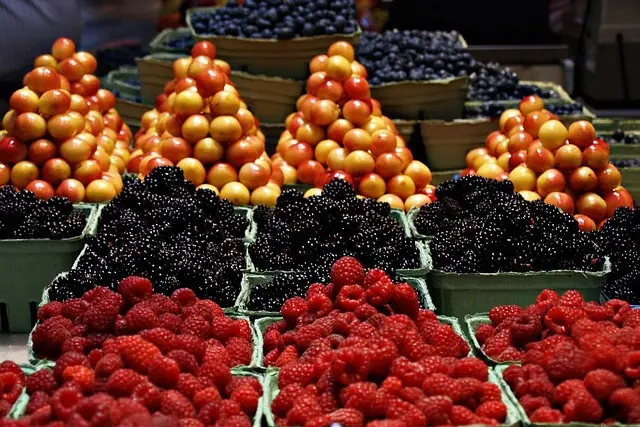
Seasonal ingredients are fruits, vegetables, and other food products that are harvested at their ideal time of year. Eating with the seasons means choosing foods that are ripe and abundant at any given moment, meaning better flavour, nutrition, and affordability. For example, strawberries are usually in season from late spring to early summer, while root vegetables like carrots are more readily available in the autumn and winter months. Buying seasonal produce supports local farmers and markets, thereby promoting sustainable agricultural practices. According to UFC-Que Choisir, seasonal fruits and vegetables often require less energy for delivery and storage, which translates to a reduced carbon footprint for consumers.
Benefits of Eating Seasonal Vegan Ingredients
Nutritional Advantages
Eating seasonal ingredients provides numerous health benefits. Produce that is harvested at the right time is typically richer in nutrients. For instance, broccoli picked in the cooler months is not only fresher but also contains higher levels of antioxidants and vitamins than its off-season counterparts. Nutritional studies show that seasonal foods can retain more vitamins, minerals, and phytochemicals, which are beneficial for health. A study published by The American Journal of Clinical Nutrition indicated that consuming seasonal fruits can lead to improved overall health profiles, as they generally offer more nutrients per calorie.
Enhanced Flavour
Seasonally grown ingredients taste better. When produce is picked at the right time, it is at its peak ripeness. This means it will taste fresher and more flavoursome than out-of-season vegetables, which may have been harvested early and stored for long periods. Freshly picked tomatoes, for instance, burst with sweetness and complexity compared to those available off-season. As a vegan, better flavour translates into tastier dishes, making your meals more enjoyable.
Sustainability
Consuming seasonal ingredients also has important environmental benefits. By eating seasonally, you lower the demand for out-of-season produce, which is often grown in energy-intensive greenhouses or transported long distances. This practice helps to reduce your carbon footprint and supports biodiversity in your local food ecosystem. The Food and Agriculture Organization (FAO) highlights that seasonal crop rotations can conserve water, improve soil quality, and prevent the depletion of certain crops in a region. Overall, eating with the seasons is a simple yet effective way to make a positive environmental impact.

Hemway Craft Glitter Shaker 130g / 4.6oz Fuchsia Pink Epoxy Resin, DIY, Tumbler, Decoration
hemway.com

Hemway Craft Glitter Shaker 130g / 4.6oz Rose Gold Epoxy Resin, DIY, Tumbler, Decoration
hemway.com

Hemway Eco Friendly Glitter 100g / 3.5oz Red DIY, Decoration, Arts & Crafts
hemway.com
How to Incorporate Seasonal Ingredients into Your Vegan Diet
Step 1: Know Your Seasons
Understanding which fruits and vegetables are in season year-round is crucial. Most countries have seasonal produce charts or guides that outline the best times to purchase certain foods. For instance, in the UK, asparagus is generally available from late April to late June, whilst pumpkins are abundant from September to November. Many local websites and agricultural organisations share seasonal eating guides that can be easily accessed online. Taking the time to learn about what’s in season can help you make informed shopping choices.
Step 2: Join a Local CSA or Farmers' Market
Community Supported Agriculture (CSA) programmes connect you directly with local farmers. Members pay upfront for a share of the harvest, enabling them to receive a selection of seasonal produce each week. This not only provides access to the freshest ingredients but also fosters a connection with local agriculture. Additionally, visiting farmers’ markets is a great way to explore seasonal produce directly from growers, while also supporting local economies. You’ll likely discover new fruits or vegetables that you may not find in traditional supermarkets.
Step 3: Experiment with Seasonal Recipes
Once you’ve sourced seasonal ingredients, it’s time to get creative in the kitchen. Challenge yourself to try new recipes that highlight the flavours and textures of your seasonal produce. For example, a cold salad of fresh heirloom tomatoes, basil, and avocado is a refreshing summer dish, while a hearty pumpkin soup can warm you up in the chillier months. Explore seasonal vegan cookbooks or online resources to find inspiration, and don't be afraid to experiment with seasonal ingredients in your favourite recipes.
Step 4: Preserving
To enjoy seasonal flavours year-round, consider preserving your produce. Techniques such as freezing, drying, or canning fruits and vegetables can extend their usability beyond their natural growing season. For instance, you can roast fresh tomatoes during the summer and freeze them for use in soups and sauces throughout winter.
💡 Avis d'expert: Incorporating seasonal vegan ingredients into your diet is not just about flavour; it can potentially improve your health while having less negative impact on the environment. Engaging with local agriculture strengthens community ties and contributes to a sustainable food system.
Comparing Seasonal vs. Non-Seasonal Ingredients
Here’s a simple overview comparing seasonal and non-seasonal ingredients:
| Criteria | Seasonal Ingredients | Non-Seasonal Ingredients | Verdict |
|---|---|---|---|
| Nutritional Value | Higher at peak ripeness | Often lower due to storage | Seasonal wins |
| Taste | Fresher, richer flavours | Often bland | Seasonal wins |
| Environmental Impact | Lower carbon footprint | Higher due to transportation | Seasonal wins |
| Cost | Generally cheaper during harvest | Higher out-of-season prices | Seasonal wins |
Why is seasonal eating better for the environment?
Eating seasonal produce supports local farmers and reduces the carbon footprint associated with transportation and energy use.
How do I find out what’s in season in my area?
You can reference local agricultural websites or consult seasonal produce charts available online to find detailed lists.
Can I freeze seasonal produce for later?
Yes, freezing is an excellent way to preserve seasonal fruits and vegetables to enjoy their flavours year-round.
What are the best seasonal ingredients for a winter vegan diet?
Root vegetables, leafy greens, and winter squash are excellent choices that pack nutrition and flavour during chilling months.
Glossaire
| Terme | Définition |
|---|---|
| CSA | Community Supported Agriculture; a system that connects local farmers to consumers through direct sales. |
| Seasonal Eating | Consuming foods that are in-season within a specific geographic area, promoting sustainability and agriculture. |
| Preserving | Techniques for extending the shelf life of foods, including canning, freezing, and drying. |
Checklist avant achat
- [ ] Consult local seasonal produce guides
- [ ] Visit farmers' markets or join CSAs
- [ ] Experiment with seasonal recipes
- [ ] Consider preserving seasonal fruits/vegetables
- [ ] Network with local farmers or growers
- [ ] Try to reduce food waste by planning meals around seasonal produce

Hemway Glitter Shaker 125g / 4.4oz White Iridescent Cosmetic, Festival, Epoxy Resin, Crafts
hemway.com

Hemway Glitter Ultra Sparkle 100g / 3.5oz Purple Cosmetic, Festival, Crafts
hemway.com

Hemway Craft Glitter Shaker 130g / 4.6oz Fluorescent Purple Epoxy Resin, DIY, Tumbler, Decoration
hemway.com
📺 Pour aller plus loin : How to Eat Seasonal: A Beginner's Guide, une analyse complète de ce sujet. Recherchez sur YouTube : seasonal vegan meal prep 2026.
In conclusion, embracing seasonal vegan ingredients not only enriches your culinary experience but also promotes a healthier lifestyle and a more sustainable environment. As we move towards an era where our food choices determine our health and the planet's well-being, seasonal eating should certainly take precedence in our diets.
Recommended Products
- Product 1: This item is perfect for hands-on kitchen projects using seasonal ingredients.
- Product 2: Ideal for preserving seasonal fruits and making the most of your harvest.
- Product 3: Suitable for enhancing the flavour of seasonal dishes.
📺 Pour aller plus loin : seasonal vegan meal prep 2026 sur YouTube
Recommended products
Selected by our experts

Hemway Glitter Shaker 125g / 4.4oz Emerald Green Cosmetic, Festival, Epoxy Resin, Crafts
hemway.com

Hemway Craft Glitter Shaker 130g / 4.6oz Champagne Gold Epoxy Resin, DIY, Tumbler, Decoration
hemway.com
Hemway Craft Glitter Shaker 130g / 4.6oz Rose Gold Epoxy Resin, DIY, Tumbler, Decoration
hemway.com
Hemway Glitter Shaker 125g / 4.4oz White Iridescent Cosmetic, Festival, Epoxy Resin, Crafts
hemway.com
Hemway Eco Friendly Glitter 100g / 3.5oz Red DIY, Decoration, Arts & Crafts
hemway.com
Hemway Glitter Ultra Sparkle 100g / 3.5oz Purple Cosmetic, Festival, Crafts
hemway.com