Contents (9 sections)
Choosing the best plant-based protein sources is crucial for anyone pursuing a vegan lifestyle. Plant proteins are not only beneficial for muscle repair but also offer a wide array of vitamins and minerals necessary for overall health. This guide will explore various plant-based protein sources, their benefits, and tips to incorporate them into your diet effectively.
1. Understanding Plant-Based Proteins
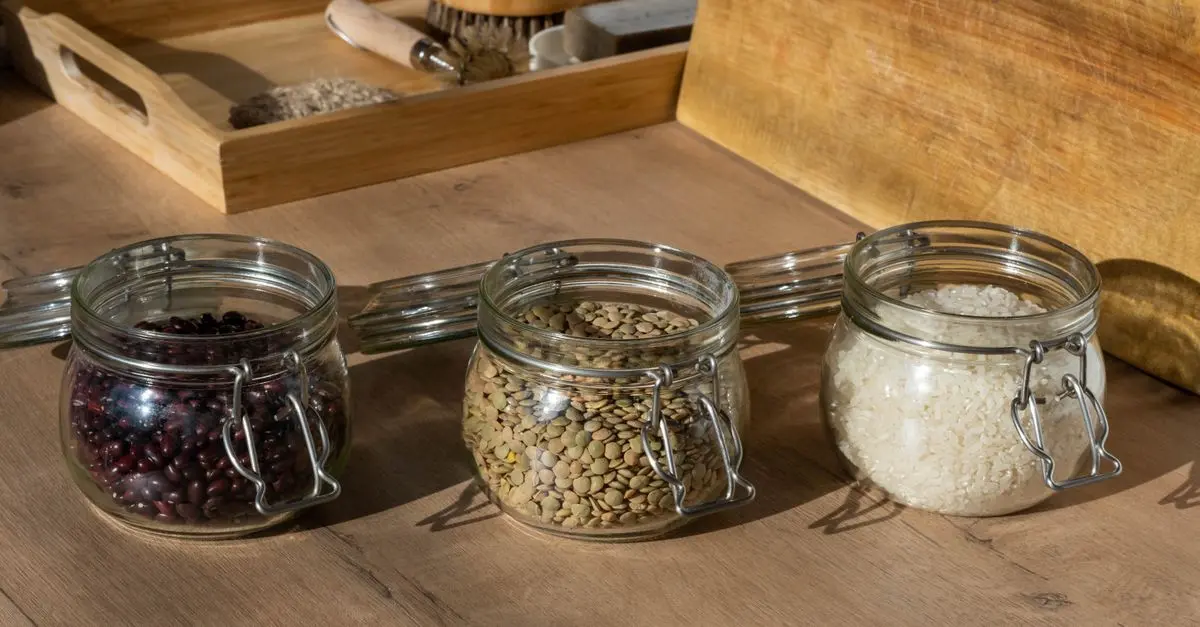
Plant-based protein sources include legumes, beans, lentils, nuts, seeds, and certain grains. Unlike animal proteins, which are considered complete (containing all essential amino acids), many plant proteins can be incomplete. However, by combining different sources, you can achieve a complete amino acid profile. For instance, beans and rice form a complete protein when eaten together. This essential knowledge helps in ensuring that you meet your protein needs while enjoying the diverse flavours and textures of plant foods.
Furthermore, plant-based proteins often come with additional health benefits, such as lower cholesterol levels and improved heart health. A study published by the American Journal of Clinical Nutrition found that individuals consuming plant-based diets had a substantially lower risk of cardiovascular diseases compared to those who consumed animal proteins. This highlights not only the nutritional importance of these proteins but also their role in enhancing overall well-being.
2. Identifying Your Protein Needs
Determining how much protein you need daily is essential. While the recommended daily allowance (RDA) for protein is about 0.8 grams per kilogram of body weight for most adults, those engaging in higher levels of physical activity may require more. For instance, athletes or those doing weight training could benefit from approximately 1.2 to 2.0 grams per kilogram.
To calculate your personal protein needs, follow these steps:
- Weigh yourself in kilograms.
- Multiply your weight by your activity factor (e.g., sedentary = 0.8g, moderately active = 1.0g, active = 1.2-1.8g).
- Adjust your protein intake based on your health goals, such as muscle gain or weight loss.
Using this information, you can tailor your intake of plant-based protein sources to meet your daily needs effectively and enjoyably.
3. Top Plant-Based Protein Sources
Here, we will delve into some of the most popular plant-based protein sources and their nutritional benefits:
- Lentils: With about 18 grams of protein per cooked cup, lentils are versatile and can easily be added to salads, soups, and stews.
- Chickpeas: Providing around 15 grams of protein per cooked cup, chickpeas can be made into hummus or tossed into salads for a protein boost.
- Quinoa: This pseudo-grain boasts all nine essential amino acids, making it a complete protein source with about 8 grams of protein per cooked cup.
- Nuts and Seeds: Almonds, walnuts, chia seeds, and hemp seeds are excellent sources of protein and healthy fats, with around 6-8 grams of protein per ounce.
By incorporating these sources into your meals, you can diversify your diet and enhance your protein intake without relying on animal products.
4. Balancing Your Diet with Proteins
Diversifying your protein intake is vital in a plant-based diet. Combining different sources not only improves your protein quality but also adds essential nutrients. For example, pairing brown rice with beans or adding nuts to a quinoa salad can elevate the nutritional profile of your meals.
Important Tips:
- Incorporate a variety of grains, legumes, and nuts into your diet. Aim for at least four different sources each week.
- Experiment with new recipes to keep meals interesting and satisfying. Use legumes in pasta dishes, make quinoa salads, or bake with nuts.
- Be mindful of portion sizes and adjust according to your activity level to avoid excess calorie intake.
5. Avoiding Common Mistakes
While choosing plant-based proteins, be aware of common pitfalls:
- Over-relying on processed products: While plant-based alternatives to meat can be convenient, they often contain additives and are lower in nutrients. Focus on whole food sources.
- Neglecting to supplement with essential nutrients: Apart from protein, vegans should ensure they’re getting enough Vitamin B12, Omega-3 fatty acids, and Iron, which can be found in fortified foods or from specific plant sources.
- Ignoring complete protein sources: Don't forget the benefit of complete protein foods like quinoa and soy products (tofu, tempeh) in your meal planning.
6. Concluding Thoughts
Choosing the best plant-based proteins involves understanding your nutritional needs, selecting diverse protein sources, and balancing your meals. By being intentional in your choices, you'll not only enjoy a delicious and varied vegan diet but also achieve optimal health and well-being.
Checklist before Shopping for Plant-Based Proteins:
- [ ] Calculate your protein needs.
- [ ] Explore various sources like lentils, chickpeas, and quinoa.
- [ ] Incorporate protein-rich snacks such as nuts and seeds.
- [ ] Be wary of processed meat alternatives.
- [ ] Plan your meals to include diverse protein sources.
Glossaire
| Terme | Définition |
|---|---|
| Protéines complètes | Protéines contenant tous les acides aminés essentiels nécessaires à l'organisme. |
| Amino acides | Composés organiques qui se combinent pour former des protéines; essentiels au fonctionnement corporel. |
| Légumes protéinés | Variété de légumes et de plantes riches en protéines, important pour un régime végétalien. |
> 📺 Pour aller plus loin: Find out more about plant-based protein sources linked to your health, a detailed analysis of this topic. Search on YouTube:
best plant-based protein sources 2026.
Quiz rapide:
> 🧠 Quiz rapide : Quelle est la meilleure source de protéines complètes parmi les suivantes ?
> - A) Haricots noirs
> - B) Quinoa
> - C) Pomme de terre
> Réponse : B — Le quinoa est un des rares aliments végétaux considéré comme une protéine complète.
📺 Pour aller plus loin : Top 10 High-Protein Plant-Based Foods for Muscle Growth 🌱 sur YouTube
Recommended products
Selected by our experts
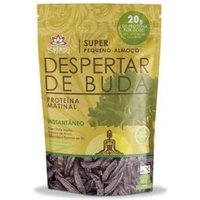
Iswari Despertar Buda Proteina Matina 360g Bio *
DocMorris FR (ex DoctiPharma FR)
This protein powder offers a rich source of amino acids, perfect for smoothies and post-workout recovery.
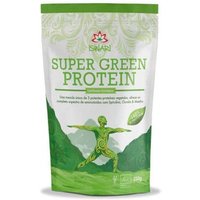
Iswari Super Green Protein 250g Bio *
DocMorris FR (ex DoctiPharma FR)
Super Green Protein is an excellent addition to your daily smoothie for an extra protein boost combined with greens.
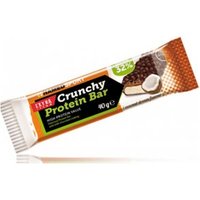
CRUNCHY PROTEINBAR COC COC DR 40G
DocMorris FR (ex DoctiPharma FR)
These protein bars make for convenient snacks, great for on-the-go energy while ensuring you hit your protein targets.