Contents (10 sections)
In recent years, there has been a significant shift towards plant-based diets, prompting many to consider vegan protein sources as an essential component of their nutrition. Whether for ethical reasons, health benefits, or environmental concerns, choosing the right vegan protein is crucial for maintaining energy levels and overall health. In this article, we will delve into various vegan protein sources, their benefits, and how to effectively incorporate them into your diet.
What are Vegan Protein Sources?
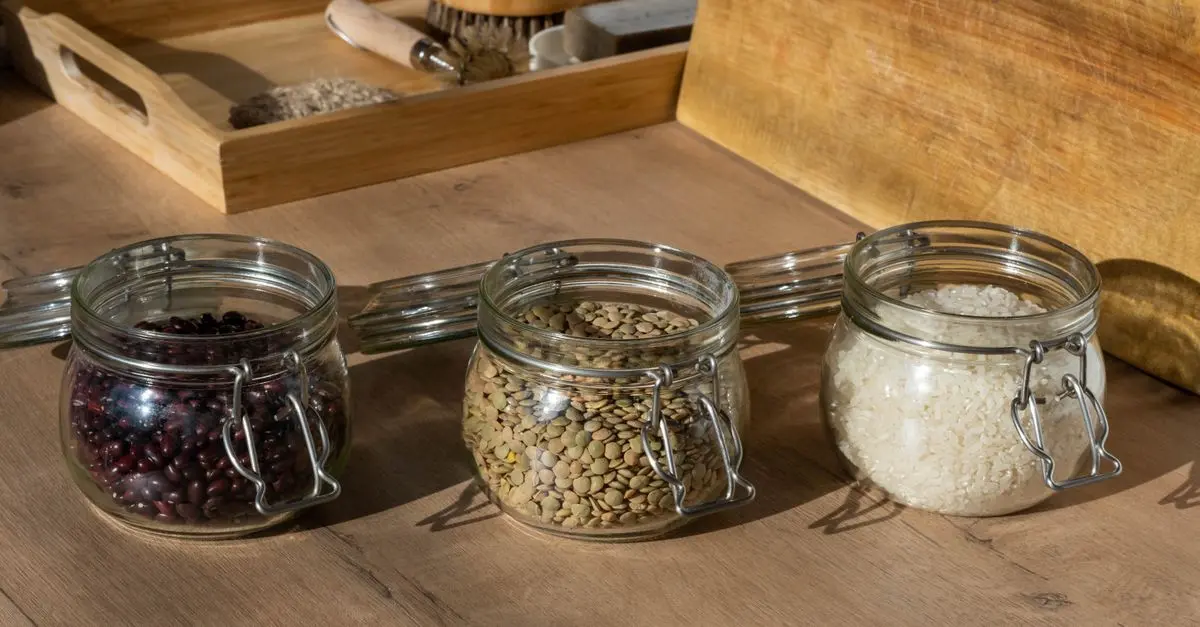
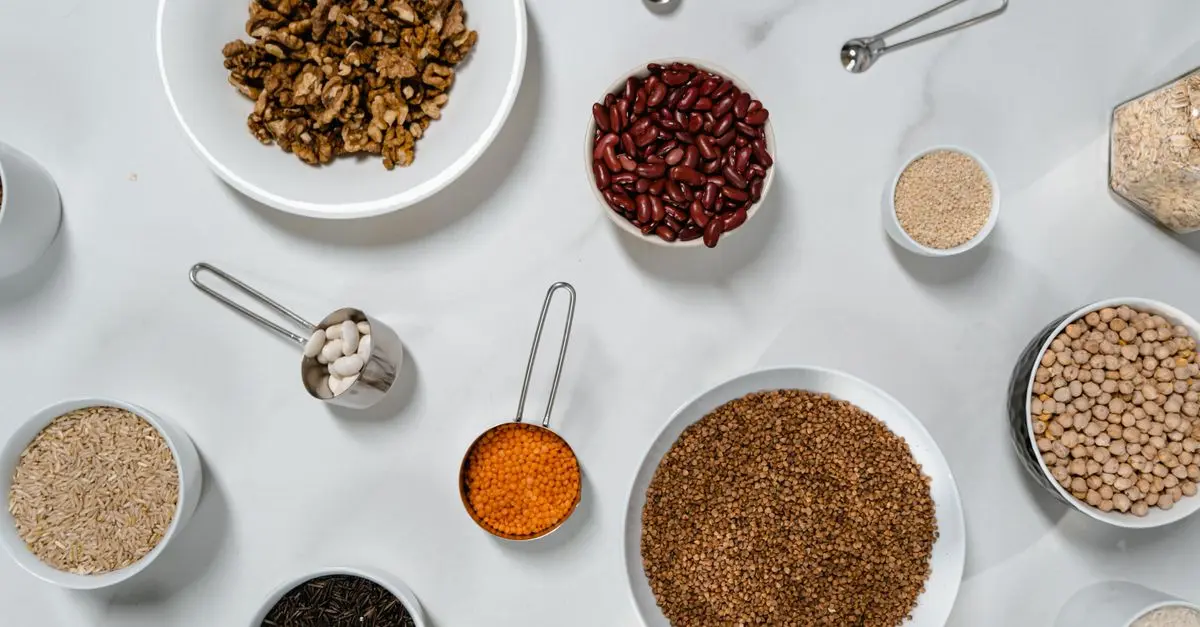
Vegan protein sources are foods derived exclusively from plants that provide high amounts of protein beneficial for muscle growth, repair, and overall bodily function. These sources include legumes, nuts, seeds, whole grains, and certain vegetables. Each provides a unique nutrient profile and can contribute significantly to your daily protein needs.
According to UFC-Que Choisir, adults require approximately 0.8 grams of protein per kilogram of body weight daily. For someone weighing 70 kg, this amounts to about 56 grams of protein a day. Interestingly, plant-based proteins not only meet these needs but also offer additional health benefits, such as fibre and essential micronutrients. Popular choices worth considering include lentils, chickpeas, quinoa, and hemp seeds, all of which are rich in protein and other vital nutrients.
How to Incorporate Vegan Proteins into Your Diet
Integrating vegan protein sources into your meals can be straightforward and delicious. Here’s a practical step-by-step approach to efficiently include them in your diet:
- Start with Breakfast: Begin your day with oatmeal or chia pudding. Both are excellent sources of protein when topped with nuts or seeds. Adding a scoop of plant-based protein powder can significantly boost your intake.
- Lunch Options: Construct hearty salads featuring beans, chickpeas, and quinoa. These not only add protein but also create a satisfying meal. Incorporate diverse vegetables for added fibre and nutrients.
- Snack Wisely: Opt for almond butter or hummus served with whole grain crackers or fresh vegetables as healthy snacks. They provide protein while keeping your energy levels stable throughout the day.
- Dinner Creations: Use lentils or black beans as base ingredients for soups and stews. They are filling and nutritious, ensuring that your evening meals are both satisfying and protein-rich.
- Experiment with Flour: Try baking with chickpea flour or almond flour, which are higher in protein compared to conventional wheat flour. This can help diversify your protein sources seamlessly.
Through these methods, you can easily incorporate a variety of vegan protein sources into your daily meals, enhancing both flavour and nutrition.
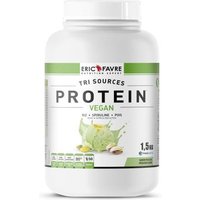
Eric Favre Protéines Végétales Tri Source Protein Vegan 1.5kg
DocMorris FR (ex DoctiPharma FR)

Eric Favre Tri Sources Protein Vegan Pistache 500g
DocMorris FR (ex DoctiPharma FR)
A Comparative Overview of Vegan Protein Sources
To better understand the varying options available, here’s a comparative table of several popular vegan protein sources, highlighting their protein content and other nutritional aspects:
| Vegan Source | Protein per 100g | Additional Nutrients | Best Used In |
|---|---|---|---|
| Lentils | 9g | Fibre, Iron | Soups, Stews |
| Chickpeas | 19g | Magnesium, Folate | Salads, Hummus |
| Quinoa | 14g | Complete protein, B vitamins | Bowls, Salads |
| Hemp Seeds | 32g | Omega-3 fatty acids | Smoothies, Snacks |
The Health Benefits of Plant-Based Proteins
Consuming vegan protein sources comes with numerous health benefits. A significant advantage is the associated higher levels of dietary fibre, which promote digestive health and can lead to a lower risk of chronic diseases. According to the World Health Organization, diets high in plant-based foods are linked with reduced risks of heart disease, obesity, and type 2 diabetes.
Moreover, plant-based diets generally contribute to better weight management. A study published in Nutrition Reviews found that individuals consuming plant-based proteins tend to have a lower body mass index (BMI) compared to those consuming animal proteins. The inclusion of diversified plant proteins helps in achieving satiety, thus contributing to long-term health and wellness.
Expert Insights on Vegan Protein Sources
> 💡 Expert Opinion: According to nutritionists, balancing different sources of vegan protein throughout the day ensures that all essential amino acids are easily obtained. It’s recommended to vary your intake, using options like lentils and quinoa for complete protein profiles. This doesn’t only boost protein levels but enriches the diet with various nutrients, enhancing overall health outcomes.
📺 For Further Exploration:
For a deeper insight into transitioning to a vegan lifestyle, check out descriptive videos on YouTube — search for 'best vegan protein sources' to explore various meals and tips.
- Can vegans get enough protein?
Yes, with a well-planned diet that includes diverse sources of plant proteins, vegans can absolutely meet their protein requirements.
- Which sources provide complete proteins?
Foods like quinoa and soy products are complete proteins, containing all essential amino acids needed by the body.
- How much protein should vegans aim for?
It is advised to aim for 1.6 grams of protein per kilogram of body weight, especially for those who are active.
- Are plant-based proteins good for muscle building?
Yes, when consumed in adequate amounts, plant-based proteins are effective for muscle repair and growth, similar to animal proteins.
Glossary
| Term | Definition |
|---|---|
| Amino Acids | Building blocks of proteins; essential for muscle growth, recovery, and hormone production. |
| Complete Protein | A protein source that contains all nine essential amino acids in sufficient amounts. |
| Plant-Based Diet | A diet that primarily consists of foods derived from plants, including vegetables, grains, nuts, and seeds. |
Checklist Before Incorporating Vegan Proteins
- [ ] Research various vegan protein sources
- [ ] Plan meals around high-protein legumes
- [ ] Experiment with plant-based protein powders
- [ ] Balance sources to include complete proteins
- [ ] Monitor protein intake according to activity level
Incorporating vegan protein sources into your diet not only enriches your meals but also contributes significantly to your health. As you explore these options, remember that variety and balance are key to achieving a nutritious vegan diet.
Thank you for reading! Explore our recommended products below to enhance your experience.
📺 Pour aller plus loin : best vegan protein sources sur YouTube
Recommended products
Selected by our experts
Eric Favre Protéines Végétales Tri Source Protein Vegan 1.5kg
DocMorris FR (ex DoctiPharma FR)
This three-source protein powder is a versatile option for smoothies or baking, perfect for boosting daily protein intake.
Eric Favre Tri Sources Protein Vegan Pistache 500g
DocMorris FR (ex DoctiPharma FR)
Pistachio protein is known for its unique flavour and is ideal for muscle gain, making it an excellent addition to a balanced diet.
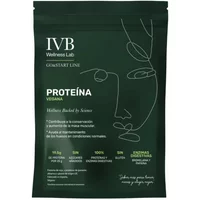
IVB Vegan Protein 500g
Beauty The Shop FR
This vegan protein blend supports overall health, allowing users to meet their nutritional goals without animal products.