Contents (12 sections)
Creating a balanced vegan meal plan is not only essential for those following a plant-based diet but also instrumental in achieving optimal health. Many assume that a vegan diet is inherently healthy; however, careful planning is required to ensure all nutritional needs are met without the inclusion of animal products.
This guide will provide you with a detailed, step-by-step method to establish a vegan meal plan that supports your health goals while being sustainable for your lifestyle. By following these steps, you will be equipped to create meals that are not only satisfying and tasty but also nutritionally adequate.
Step 1: Understand Nutritional Requirements
The first step in creating a balanced vegan meal plan is to familiarise yourself with your nutritional needs. A balanced diet typically consists of proteins, carbohydrates, fats, vitamins, and minerals. For vegans, it's crucial to pay extra attention to certain nutrients that can be less prevalent in a plant-based diet, such as Vitamin B12, omega-3 fatty acids, iron, calcium, and zinc.
Key Nutritional Considerations:
- Protein: Incorporate a variety of plant-based protein sources, including lentils, chickpeas, quinoa, and tofu. Consuming different sources throughout the day ensures you get all essential amino acids.
- Vitamin B12: This vitamin is primarily found in animal products. Consider fortified foods or supplements to ensure you meet the recommended intake.
- Iron: Plant sources include spinach, lentils, and fortified cereals. Pair these with vitamin C-rich foods to enhance absorption.
- Calcium: Use fortified plant milks, tofu, and green leafy vegetables to achieve your calcium needs.
- Omega-3 Fatty Acids: Flaxseeds, chia seeds, and walnuts are excellent sources.
By ensuring you have a comprehensive understanding of these nutrients, you can better plan your meals to avoid deficiencies.
Step 2: Plan Your Meals for the Week
With your nutritional requirements in mind, start sketching out a weekly meal plan. It can help to dedicate one day to meal prep when you can batch cook key ingredients like grains, beans, and roasted vegetables. Here’s a simple approach:
- Breakfast: Overnight oats with chia seeds, almond milk, and fruits.
- Lunch: Quinoa salad with mixed vegetables, chickpeas, and a lemon-tahini dressing.
- Dinner: Stir-fried tofu, broccoli, and brown rice.
- Snacks: Fresh fruits, nuts, or hummus with veggies.
Tips for Effective Meal Planning:
- Use a meal planner or app to keep track of your meals.
- Incorporate variety to avoid monotony.
- Ensure each meal includes a source of protein, healthy fats, and carbohydrates.

Step 3: Shopping for Ingredients
After planning your meals, make a detailed shopping list. Focus on whole foods over processed options. This not only helps you save money but also ensures the meals are healthier overall. Here are tips for your shopping list:
- Fruits and Vegetables: Choose seasonal produce. Fresh, frozen, or even canned (without added sugars or salts) are all viable options.
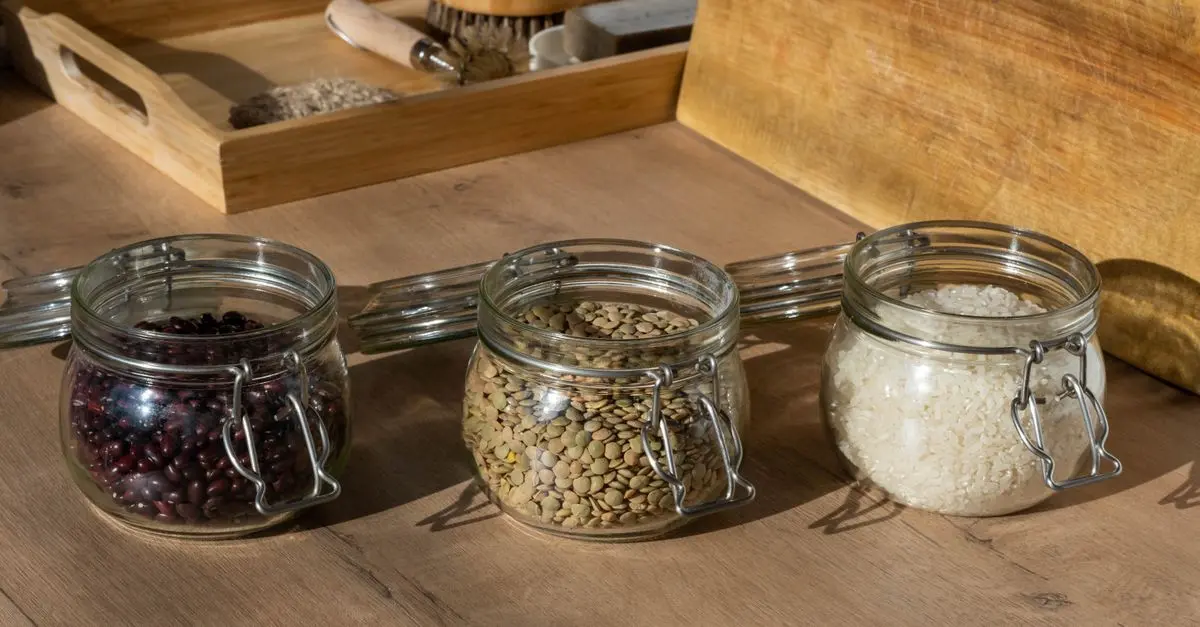
- Grains and Legumes: Stock up on quinoa, lentils, beans, and whole grains.
- Nuts and Seeds: Keep a selection handy to add to meals for extra nutrition.
- Condiments and Spices: Pick up natural flavour enhancers like herbs, garlic, and nutritional yeast for added taste.
By situating nutrient-rich ingredients at the forefront of your shopping, you’ll have the essentials on hand to compose delightful and nutritious meals.
Step 4: Cooking and Meal Prep
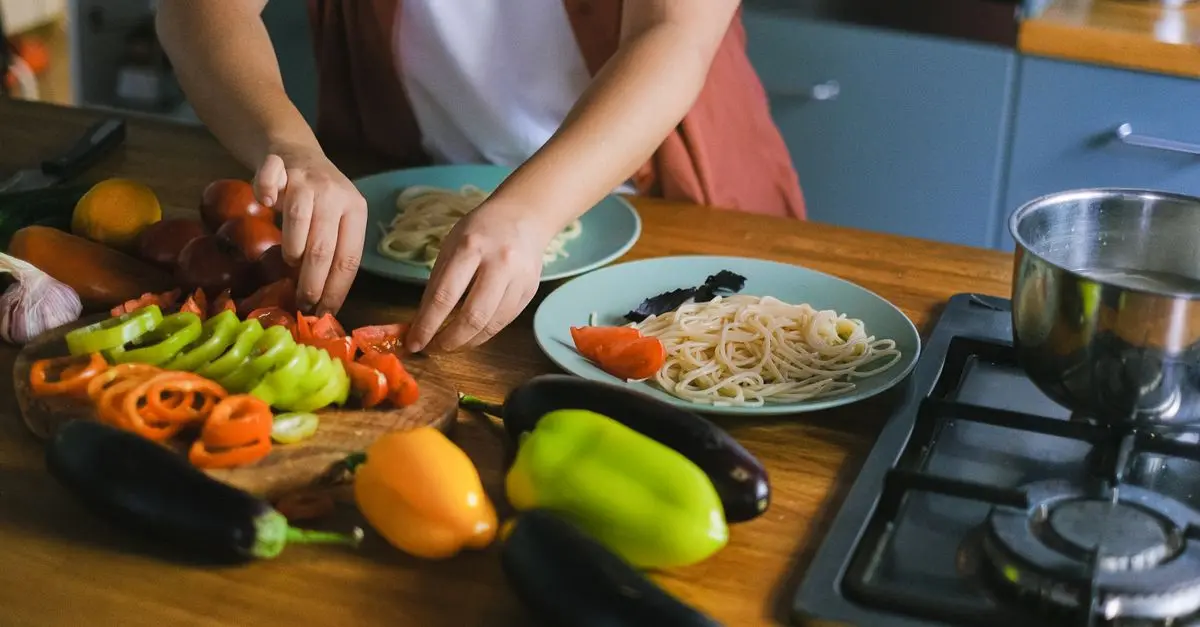
Cooking in batches can save both time and effort throughout the week. Prepare your grains and legumes in advance; they can be easily reheated or added to various recipes. Here are a few cooking tips:
- Batch Cook: Prepare large portions of staple foods (rice, beans, etc.) so you can diversify your meals throughout the week.
- Store Wisely: Use clear containers to keep everything organised and visible in your fridge. Label them with the contents and dates to avoid waste.
- Utilise Leftovers: Create new meals with leftover ingredients to minimise food waste. A stir-fry made from leftover vegetables is versatile and filling.
Step 5: Monitor Your Progress
Once you begin your meal plan, actively monitor how you feel physically and mentally. Consider keeping a food journal to note meals, energy levels, and overall health. This practice helps identify which meals keep you feeling your best and gives insight into areas needing adjustment.
Common Adjustments to Consider:
- If you feel sluggish, consider increasing protein intake or hydrating more.
- For digestive issues, evaluate fibre intake and consider more cooked vegetables.
- Ensure that you're getting a balance of macronutrients to maintain energy throughout the day.
Checklist before you start:
- [ ] Research nutritional needs
- [ ] Develop weekly meal plan
- [ ] Make a detailed shopping list
- [ ] Prepare ingredients with batch cooking
- [ ] Keep a food journal
Glossary
| Terme | Définition |
|---|---|
| Veganisme | Mode de vie excluant tous les produits d'origine animale. |
| Macronutriments | Nutriments nécessaires en grandes quantités : protéines, glucides, graisses. |
| Nutriments esssentiels | Nutriments que l'organisme ne peut pas synthétiser et doit obtenir par l'alimentation. |
> 💡 Avis d'expert : Pour maintenir un équilibre nutritionnel, diversifiez toujours vos sources alimentaires et n'oubliez pas l'importance des suppléments, surtout pour la Vitamine B12.
📺 Ressource Vidéo
To dive deeper into meal planning, watch, "Meal Prep for Beginners: Vegan Edition" on YouTube. Search for: meal prep for vegan health 2026.
📺 Pour aller plus loin : meal prep for vegan health 2026 sur YouTube
Recommended products
Selected by our experts
Vermont Supplements Vitamin B12 120 Tablets
carethy.co.uk
Vegan diets often lack Vitamin B12; this supplement ensures you meet your daily requirements.
Vermont Supplements Vitamin B12 120 Tablets
carethy.co.uk
Vitamin B12 is crucial for energy metabolism, particularly in a plant-based diet. This supplement supports your needs.
Vermont Supplements Vitamin B12 120 Tablets
carethy.co.uk
Easily integrated into a vegan diet, this B12 supplement helps maintain optimal health.