Contents (9 sections)
Embarking on a vegan lifestyle can offer numerous health benefits, but it is crucial to ensure that your diet is well-rounded and nutritious. A balanced vegan meal plan is vital for optimal health, preventing nutrient deficiencies and promoting overall well-being. In this guide, we will walk you through the steps to create a meal plan that meets your nutritional needs while ensuring that your meals are delicious and varied.
Step 1: Understand Your Nutritional Requirements
Before you start crafting your meal plan, it's essential to understand your nutritional needs as a vegan. A well-balanced diet should include adequate amounts of proteins, carbs, healthy fats, vitamins, and minerals. According to the British Dietetic Association, vegans must pay attention to specific nutrients that are commonly less abundant in a plant-based diet, such as Vitamin B12, Omega-3 fatty acids, iron, calcium, and zinc.
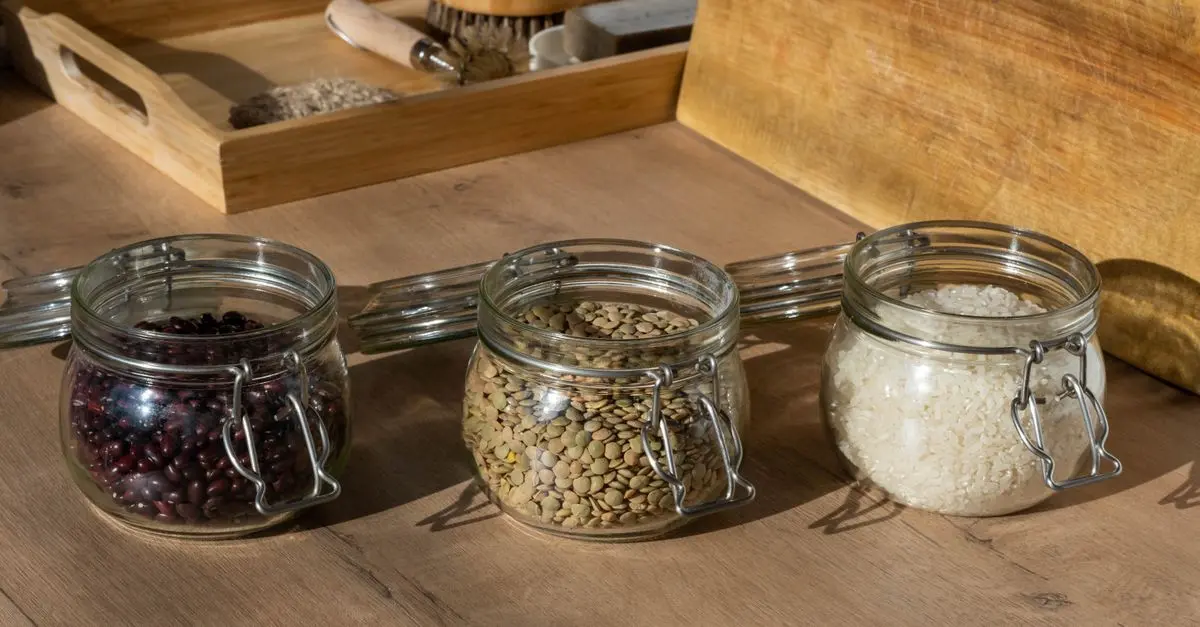
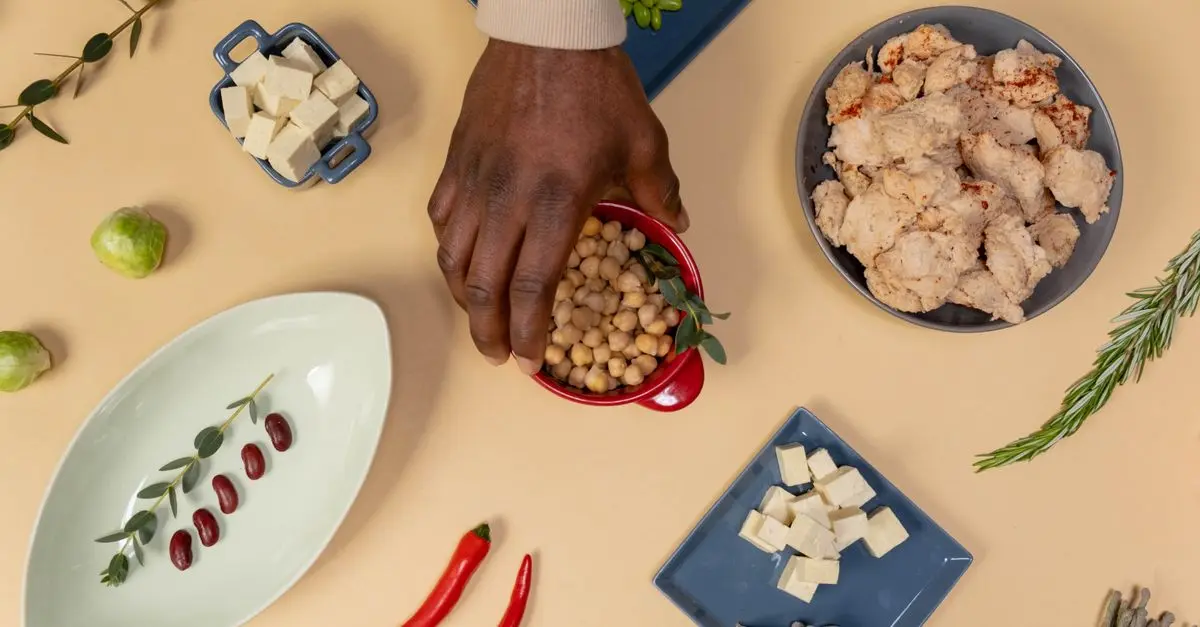
- Protein: Aim for sources like lentils, chickpeas, quinoa, and tofu. The recommended daily intake for adults is around 46-56 grams, depending on age and activity level.
- Vitamin B12: Important for nerve function and blood cell formation, considering supplements can help meet the requirement of 2.4 micrograms per day.
- Iron: Plant-based sources include beans, lentils, and fortified cereals. Pair iron-rich foods with vitamin C to enhance absorption.
- Omega-3 Fatty Acids: These can be found in flaxseeds, chia seeds, and walnuts. Aim for about 1.1-1.6 grams per day.
Step 2: Plan Your Meals for the Week
Once you have a good understanding of your nutritional requirements, the next step is to plan your meals. Here’s how to approach it:
- Choose a Theme: Each day can have a theme such as Italian, Mexican, or Asian-inspired dishes to keep meals exciting.
- Incorporate Variety: Aim for a mix of protein sources throughout the week to cover amino acids and prevent monotony.
- Include Seasonal Produce: Buy fruits and vegetables that are in season to ensure freshness and nutrition.
- Plan Snacks: Healthy snacks such as nuts, seeds or fruit can keep your energy levels stable between meals.
- Batch Cooking: Consider preparing larger portions of meals to save time. Dishes like stews, soups, and grain bases can be made in batches and refrigerated or frozen.

Step 3: Shopping List Essentials
Creating a shopping list is a crucial aspect of meal planning. Focus on whole foods and limit processed options to ensure a nutritious diet. The focus should be on:
- Vegetables: Broccoli, kale, spinach, carrots, bell peppers, etc.
- Fruits: Apples, bananas, berries, oranges, etc.
- Grains: Brown rice, quinoa, oats, whole-grain bread.
- Proteins: Lentils, chickpeas, tofu, tempeh, seitan.
- Nuts and Seeds: Almonds, walnuts, chia seeds, flaxseeds.
- Dairy Alternatives: Almond milk, soy yogurt, and coconut yoghurt.
Check labels for added sugars and preservatives in processed items.
Step 4: Recipe Selection
With your shopping list in hand, it's time to select recipes that align with your themes and nutritional goals. Consider the following:
- Balance: Ensure each recipe has components of protein, carbs, and fats. A Buddha bowl, for example, can include quinoa, roasted chickpeas, and a tahini dressing.
- Cooking Times: Select recipes that vary in preparation and cooking times to accommodate your schedule throughout the week.
- Meal Prep Ideas: Consider recipes that can be transformed into different dishes. A lentil stew can also be used in wraps or on top of baked potatoes.
Step 5: Adjust Portions and Monitor Progress
As you start following your meal plan, it’s essential to pay attention to how your body responds. Adjust portion sizes based on your energy levels and fullness cues. Here are tips to help refine your meal plan:
- Monitor Nutrient Intake: Use apps or journals to track what you eat and identify any nutrient gaps.
- Stay Flexible: Allow yourself the grace to shift meals around as needed. Life can be unpredictable, and flexibility can help reduce stress.
- Iterate: Revisit your meal plan regularly and make adjustments based on your experiences, taste preferences, and lifestyle changes.
Checklist for a Balanced Vegan Meal Plan
- [ ] Identify your nutritional requirements.
- [ ] Plan meals for the week.
- [ ] Create a comprehensive shopping list.
- [ ] Select balanced recipes.
- [ ] Monitor your intake and adjust as needed.
Glossary
| Term | Definition |
|---|---|
| Veganism | A lifestyle and diet that eliminates all animal products and by-products. |
| Macro Nutrients | Nutrients required in large amounts, including proteins, fats, and carbohydrates. |
| Micro Nutrients | Vitamins and minerals required in smaller quantities essential for health. |
📺 Ressource Vidéo
To dive deeper into making a balanced vegan meal plan, watch "Vegan Meal Prep for Beginners". Search on YouTube:
"vegan meal planning 2026"
---
Recommended Products
- - - ---
📺 Pour aller plus loin : vegan meal planning 2026 sur YouTube
Recommended products
Selected by our experts
5m XLR Plug to 1/4 Inch Stereo Jack Plug Cable (TRS) Balanced Audio Cable
TV Cables

Superior Sound Quality Oxygen Free Copper Heavy Duty 3pin XLR Male to female microphone Balanced cable
Alibaba UK

XLR 3P Male to XLR 3P Female Black professional XLR microphone Cables Balanced Mic Snake Patch Cord
Alibaba UK