Contents (16 sections)
Creating a vegan meal plan can seem daunting, especially for those new to plant-based eating. However, with a clear strategy and a bit of creativity, you can easily design a weekly meal plan that keeps your diet varied, nutritious, and enjoyable. In this guide, we will walk you through a straightforward process to help you establish a sustainable vegan meal planning routine.
Why Meal Planning is Important
A vegan meal plan is essential not just for convenience but also for ensuring nutritional balance. Studies show that planning meals helps to reduce food waste, save money, and avoid last-minute unhealthy eating choices. According to research from the British Dietetic Association, well-structured meal plans can significantly improve dietary consistency, leading to better health outcomes.
Step 1: Assess Your Needs
Before jumping into meal planning, take some time to assess your dietary preferences and nutritional needs. Start by asking yourself the following questions:
- Do you have any allergies or intolerances?
- Are you looking to lose, maintain, or gain weight?
- How many meals do you prefer to have in a day?
- What are your cooking skills? Do you enjoy cooking or prefer quick meals?
By answering these questions, you create a foundation upon which to build a meal plan that works for you. Importantly, consider committing to include a variety of foods to ensure your meals are rich in essential nutrients.
Step 2: Gather Inspiration and Recipes
Once you understand your needs, it’s time to gather inspiration. There are countless vegan resources available, including cookbooks, food blogs, and online communities. For instance, recipes from Thrifty Vegan offer affordable and delightful plant-based meals. Look for recipes that are suited to your skills and equipment. Make a list of meals you'd like to try—this will become your reference point for meal planning.
Step 3: Create Your Weekly Meal Structure
Now that you have a selection of meals, it’s time to structure your week. Start by determining how many meals you need to prepare. For example:
- Breakfast: 7 options
- Lunch: 5-7 options (consider leftovers)
- Dinner: 5-7 options
- Snacks: 2-3 options
Creating a meal structure helps streamline your grocery shopping and ensures you have everything you need for the week. Additionally, keep in mind the importance of balance—each meal should ideally include a source of protein, healthy fats, and carbohydrates. This ensures that your meals are not only filling but also nutritionally sound.
Step 4: Make a Shopping List
After finalising your meal structure, it’s crucial to list all the ingredients you will need. Organise your shopping list into categories (e.g., produce, grains, proteins) to simplify your shopping experience. For example:
- Fruits and Vegetables: Spinach, tomatoes, bananas
- Grains: Quinoa, brown rice
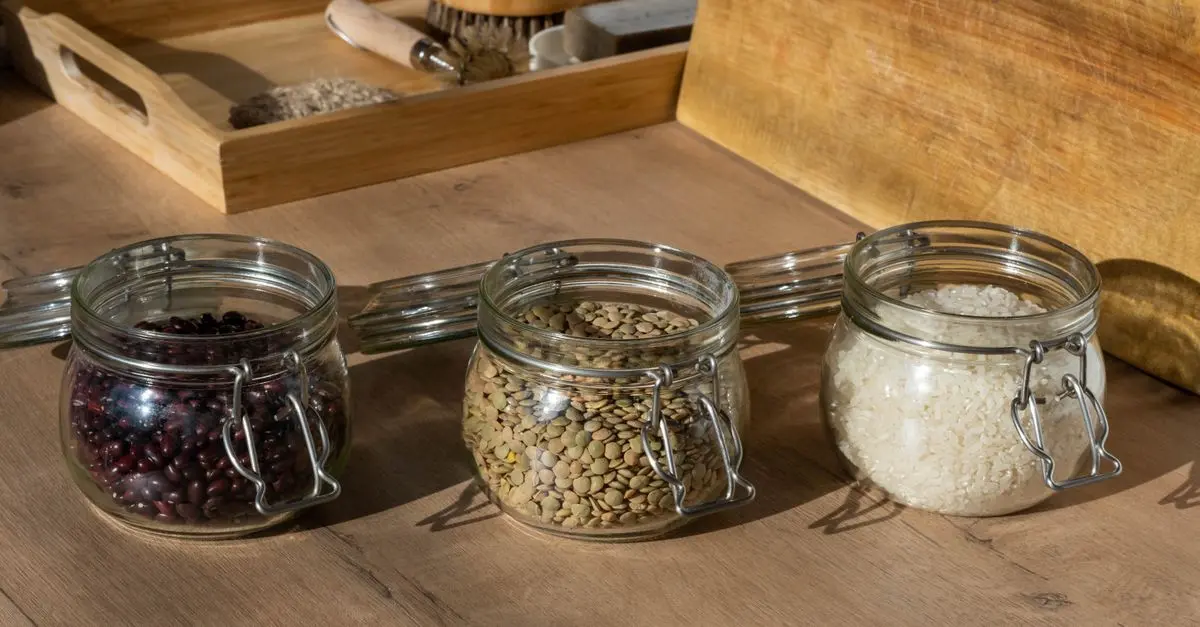
- Proteins: Lentils, chickpeas, tofu
- Others: Nutritional yeast, almond milk
Shopping with a planned list will help avoid impulse buys and ensure you stick to your budget. Remember, we have selected several products that can complement your meal plan; discover our recommendations below.
Step 5: Prepare Your Meals
Meal preparation can be a time-saver during the week. Dedicate a few hours on a chosen day (usually Sunday) to cook larger meals in batches. This might include:
- Cooking grains (like rice or quinoa) in bulk.
- Prepping snacks such as energy balls or chopped vegetables.
- Cooking a large pot of soup or stew that can be eaten throughout the week.
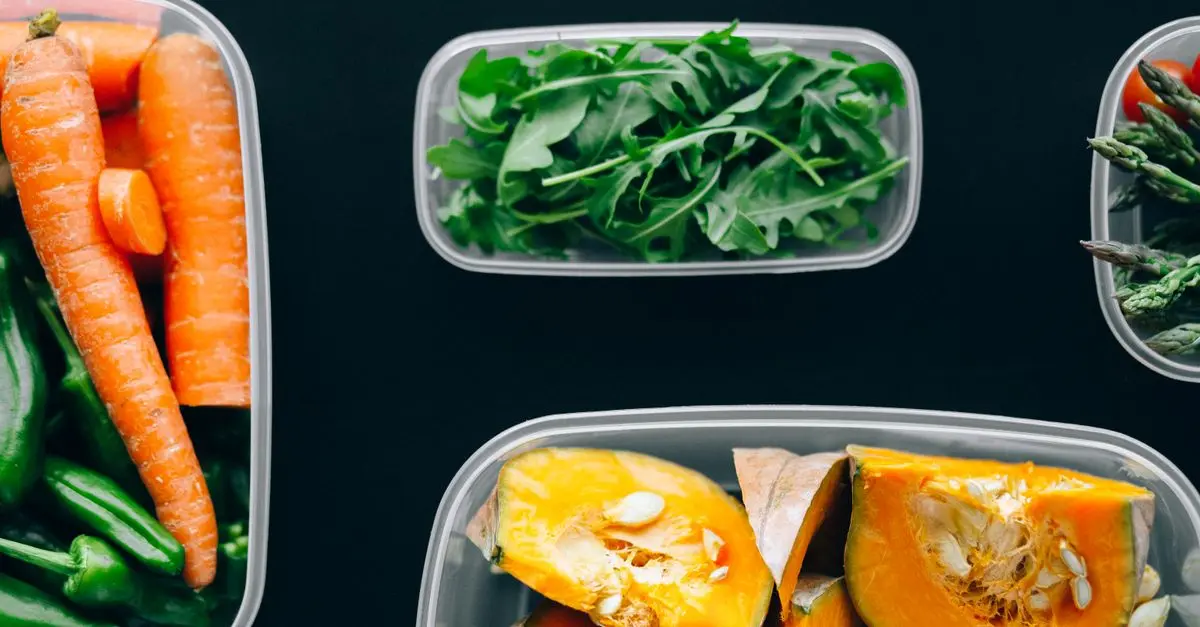
Not only does this method save time, but it also gives you more control over your meals, reducing reliance on convenience foods. Keep the prepared meals in airtight containers to maintain freshness and portion sizes for ease.
Step 6: Adjust as Necessary
After following your meal plan for a week or two, take the time to review what worked and what didn’t. Ask yourself:
- Were there any meals you didn’t enjoy?
- Did you find it challenging to prepare some meals?
- Do you still feel satisfied and nourished?
Don't hesitate to adjust your plan based on your findings. Optimal meal planning is adaptable, catering to your changing lifestyle and preferences.
Checklist Before You Start
- [ ] Assess your dietary needs and preferences.
- [ ] Collect meal ideas and recipes.
- [ ] Create a structured meal plan for the week.
- [ ] Compile a shopping list of ingredients.
- [ ] Dedicate time for meal prep.
- [ ] Analyse and adjust your plan after a few weeks.


Frequently Asked Questions
Q1: What if I'm new to vegan cooking?
A1: Start with simple recipes, as they require fewer ingredients and preparation steps. Gradually challenge yourself with more complex dishes.
Q2: How do I ensure balanced nutrition on a vegan diet?
A2: Incorporate a variety of foods, including legumes, grains, nuts, seeds, fruits, and vegetables. Consider consulting a nutritionist for personalised advice.
Q3: Can meal planning save money?
A3: Yes, planning meals typically reduces food waste and encourages fewer impulse buys, allowing you to stick to a budget.
Q4: How can I store meal preps safely?
A4: Use airtight containers and organise them in the refrigerator. Consume prepared meals within 3-5 days for optimal freshness.
Glossary
| Terme | Définition |
|---|---|
| Veganisme | Un mode de vie qui exclut tous les produits d'origine animale. |
| Nutriments | Composés essentiels dans les aliments qui fournissent des bienfaits pour la santé. |
| Préparation des repas | Processus de préparation anticipée des repas pour la consommation ultérieure. |
📺 Ressource Vidéo
> 📺 Pour aller plus loin : Comment planifier des repas végétaliens en 2026, une analyse complète de la planification des repas. Recherchez sur YouTube : how to create a vegan meal plan 2026.
📺 Pour aller plus loin : how to create a vegan meal plan 2026 sur YouTube
Recommended products
Selected by our experts