Contents (16 sections)
Embracing a vegan lifestyle can seem daunting at first, but with thoughtful integration into your daily routine, it can become a natural and fulfilling part of your life. This guide will provide you with practical steps to seamlessly incorporate veganism, ensuring you enjoy the journey while making a positive impact on your health and the environment.
1. Start with Education: Understanding Veganism
Before diving into a vegan diet, it's crucial to understand what it entails. Veganism is more than just a diet; it’s a lifestyle choice that excludes all animal products, including meat, dairy, eggs, and even honey. Educating yourself on the health benefits and ethical implications can motivate you to make this shift. According to a report from the UFC-Que Choisir, adopting a vegan diet can significantly reduce the risk of chronic diseases, such as heart disease and diabetes. Additionally, it supports sustainable environmental practices by reducing the carbon footprint.
Consider registering for a local vegan cooking class or browsing online resources like nutritional blogs and documentaries that explore the benefits and recipes for vegan meals. Understanding the nutritional aspects is essential; ensure you're informed about how to get adequate protein, vitamins, and minerals in a vegan diet by consulting resources from organisations like l'INSEE or the Vegan Society. The process of learning can make the transition smoother and more gratifying.
2. Gradual Changes: Transitioning to a Vegan Diet
To effectively incorporate veganism, consider implementing gradual changes rather than a complete overhaul overnight. Start by choosing one or two meals a week to eat plant-based. Experiment with new recipes that highlight vegetables, legumes, and grains, making them the heroes of your plates.
Tips:
- Meal Prep: Prepare meals in advance; this not only saves time but helps you resist the temptation of non-vegan foods.
- Replace Familiar Foods: Find vegan alternatives for your favourite dishes. For example, instead of dairy milk, try almond or oat milk, which can easily replace milk in cereals or coffee. Similarly, explore vegan cheese made from nuts or soy.
Common Pitfalls to Avoid:
- Jumping in too quickly can lead to feelings of deprivation or frustration. Instead, enjoy the exploration of new foods and flavours.
- Learn to read food labels; many processed foods contain hidden animal products.
3. Essential Ingredients: Building Your Vegan Pantry
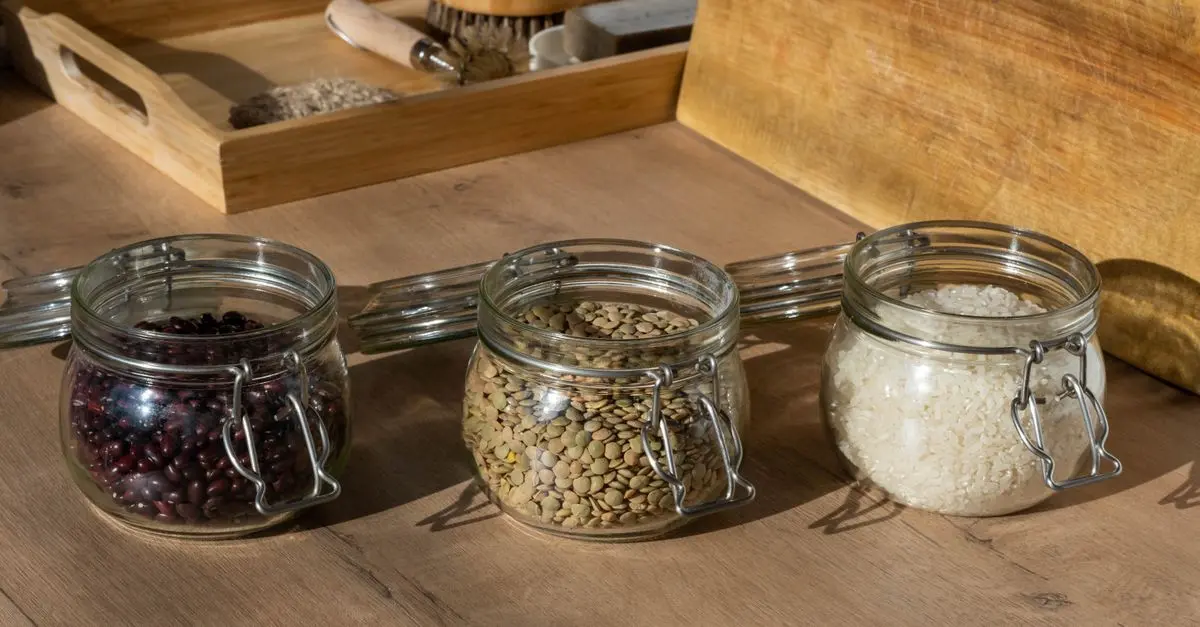
Once you've begun to transition, it's vital to stock your pantry with essential vegan staples. Focus on whole foods, and fill your kitchen with diverse ingredients to boost creativity in your cooking.
Core Vegan Pantry Staples Include:
- Legumes: Lentils, chickpeas, and beans.
- Grains: Quinoa, brown rice, oats, and whole wheat pasta.
- Nuts and Seeds: Almonds, chia seeds, and flax seeds for healthy fats and protein.
- Fruits and Vegetables: Fresh, frozen, or canned (in juice or water) can add vital nutrients.
- Condiments: Check for vegan sauces such as nutritional yeast, soy sauce, and various spices.
This well-stocked pantry allows you to whip up quick and nutritious meals without impulse shopping for non-vegan products.
4. Dining Out: Navigating Vegan Options
Eating out can be a challenge when incorporating veganism. However, many restaurants now offer dedicated vegan menus. Familiarise yourself with asking for modifications, like substituting meat with extra vegetables or choosing sauces that are free from animal products.
Useful Tips:
- Research: Use apps like HappyCow, which lists vegan and vegan-friendly restaurants in your area.
- Ask Questions: Don't hesitate to ask restaurant staff about ingredients and preparation methods; being informed will help you make better choices.
- Plan Ahead: If possible, check the menu online before eating out to ensure there are suitable options.
Observations:
Dining experiences can provide social opportunities; you may introduce friends and family to vegan dining, potentially opening their minds to plant-based alternatives.
5. Community Support: Engaging with Like-Minded Individuals
Connecting with a community can foster motivation and accountability as you embrace a vegan lifestyle. Look for local vegan groups or online forums. Sharing your experiences, recipes, and challenges will not only enhance your journey but also enrich your understanding of veganism.
Steps to Connect:
- Join Social Media Groups: Platforms like Facebook have groups dedicated to vegan living where members share tips.
- Attend Local Events: Farmer’s markets, vegan fairs, or workshops can introduce you to new foods and network opportunities.
- Volunteer: Supporting animal rights organisations or vegan food banks can be fulfilling and deepen your commitment to the cause.
📺 Resource Video
> 📺 For more information: Exploring Vegan Recipes, a comprehensive guide to transition into vegan cooking. Search on YouTube:
> "exploring vegan recipes 2026".
Checklist before Transitioning to Veganism
- [ ] Research and learn about veganism.
- [ ] Gradually introduce vegan meals into your diet.
- [ ] Stock your pantry with essential vegan ingredients.
- [ ] Find vegan dining options and ask about ingredient modifications.
- [ ] Connect with the vegan community for support.
Glossary
| Terme | Définition |
|---|---|
| Veganisme | Mode de vie excluant tous les produits d'origine animale. |
| Produits Alternatives | Substituts végétaux pour remplacer les produits d'origine animale. |
| Nutrition Végétale | Étude de l'alimentation à base de plantes et de ses bénéfices. |
🧠 Quiz rapide : Quelle est la principale raison d'adopter un régime vegan ?
- A) Perdre du poids
- B) Améliorer sa santé
- C) Protéger les animaux
Réponse : C — Protéger les animaux est souvent un des motivations principales pour devenir vegan.
In conclusion, incorporating veganism into your daily routine requires education, gradual changes, and community support. Each step contributes to a healthier you and a more sustainable world. Ready to start this journey? Dive into these practices today, and discover a vibrant, plant-based lifestyle that resonates with your values!
📺 Pour aller plus loin : exploring vegan recipes 2026 sur YouTube