Contents (11 sections)
Transitioning to a plant-based diet can be a rewarding journey, bringing numerous health benefits while being kinder to the planet. In this guide, we will walk you through the steps to make this transition smoothly, ensuring not only a transformation in your eating habits but a holistic approach to healthier living. Let's explore how you can successfully embrace a plant-based lifestyle through practical, actionable steps.
Step 1: Understand the Basics of a Plant-Based Diet
Before you dive in, it’s essential to fully grasp what a plant-based diet entails. This diet focuses primarily on foods derived from plants, including fruits, vegetables, nuts, seeds, oils, whole grains, legumes, and beans. Importantly, it doesn’t mean you have to be strictly vegan or vegetarian, but the emphasis is on increasing plant food consumption while reducing animal products.
According to the British Dietetic Association, a well-planned plant-based diet can be nutritionally adequate and may provide health benefits in the prevention and treatment of certain diseases. Individuals may choose this lifestyle for various reasons including health improvements, environmental concerns, or ethical considerations regarding animal welfare. Understanding the why behind your decision can help keep you motivated during the transition.
Step 2: Assess Your Current Eating Habits
To effectively change your diet, it's crucial to first evaluate your current eating habits. Take a week to keep a food diary, noting everything you consume. This will help you identify areas that require changes, such as reducing processed foods or increasing fruit and vegetable intake. Consider the following questions:
- How many servings of fruits and vegetables do I eat daily?
- How often do I consume whole grains?
- Do I rely heavily on animal products?
This self-assessment will provide a clearer picture of your dietary intake and highlight specific changes needed as you transition to a more plant-centric approach.
Step 3: Make Gradual Changes
Instead of an abrupt overhaul of your diet, consider making gradual changes. This approach can help your taste buds adapt and make the shift feel less overwhelming.
- Start small: Begin by incorporating more plant-based meals into your week. For instance, designate a 'Meatless Monday' to explore new vegetarian recipes.
- Experiment with substitutions: Replace dairy milk with almond or oat milk in your morning coffee or use lentils instead of ground beef in your spaghetti sauce.
- Cook more at home: Preparing your meals gives you control over ingredients and portion sizes, making it easier to follow a plant-based diet without feeling deprived.
Step 4: Stock Your Kitchen
Having the right tools and ingredients on hand is crucial for a successful transition. Here’s a shopping list to consider:
- Whole grains: Quinoa, brown rice, oats.
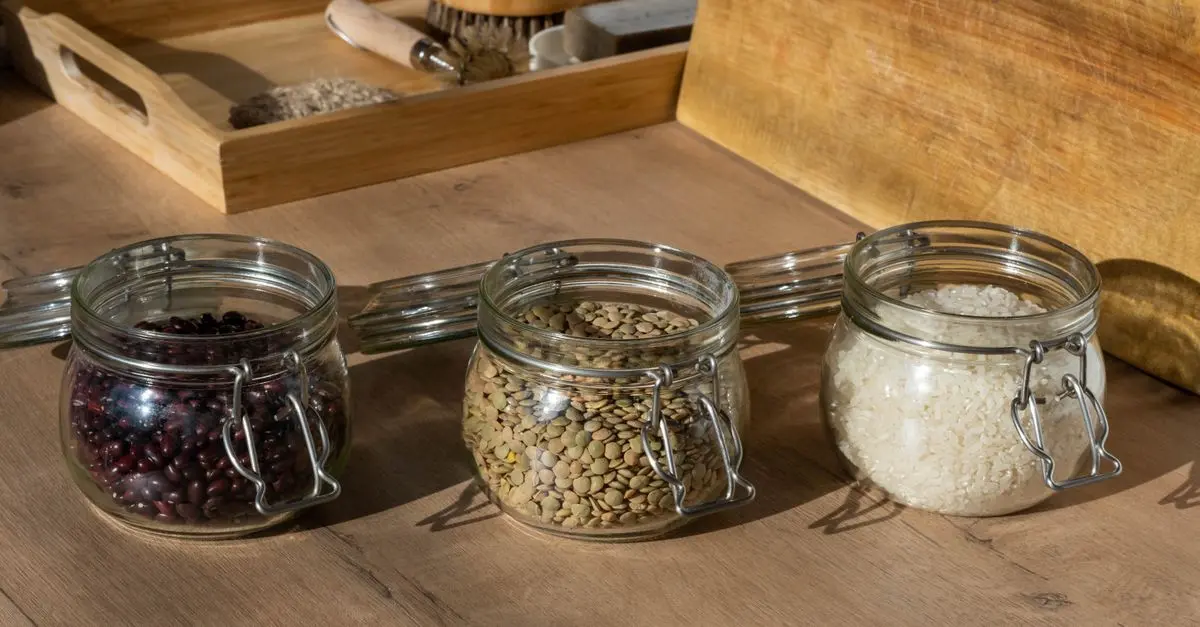
- Legumes: Chickpeas, lentils, black beans.
- Nuts and seeds: Almonds, chia seeds, walnuts.
- Fruits and vegetables: Fresh produce, frozen options are also handy.
- Plant-based alternatives: Consider tofu, tempeh, and nutritional yeast to add variety and nutrients to your meals.
A well-stocked pantry will make plant-based cooking easier and more enjoyable. It is essential to try various foods to discover what you like best and maintain enthusiasm for your new diet.
Step 5: Learn New Recipes and Cooking Techniques
Exploring new recipes is one of the most exciting parts of transitioning to a plant-based diet. There are countless resources available, including cookbooks, blogs, and YouTube channels dedicated to plant-based cooking. Here are a few tips:
- Diversify your cooking methods: Try steaming, roasting, or stir-frying to bring out unique flavours in vegetables.
- Use herbs and spices: These can elevate the taste of plant-based dishes and make them more appealing.
- Experiment with cultural cuisines: Many global cuisines, such as Indian and Mediterranean, are rich in plant-based recipes. Exploring these can add variety to your meals and keep you engaged.
Step 6: Stay Educational and Seek Support
As you embark on this new journey, continuing to educate yourself about nutrition is vital. There are many reputable online courses available, including a Diet & Nutrition CPD Accredited Course which provides valuable information about how nutrition impacts health and wellness. Seek communities, such as local vegetarian or vegan groups, where you can share experiences, tips, and recipes.
Step 7: Pay Attention to Nutritional Needs
While a plant-based diet can provide numerous health benefits, it is important to ensure you're meeting all your nutritional requirements, especially for nutrients commonly lacking in plant-based diets, such as:
- Vitamin B12: Consider fortified foods or supplements.
- Iron: Incorporate sources like lentils, chickpeas, and fortified cereals.
- Omega-3 fatty acids: Flaxseeds, chia seeds, and algae supplements can be beneficial.
Regular check-ups with a healthcare provider or nutritionist can help monitor your health as you transition.
Checklist before you start your plant-based diet
- [ ] Assess your current dietary habits.
- [ ] Set realistic goals for a gradual transition.
- [ ] Create a well-stocked plant-based pantry.
- [ ] Experiment with new recipes and cooking techniques.
- [ ] Educate yourself continuously about plant-based nutrition.
- [ ] Join a support group for motivation.
Glossary
| Terme | Définition |
|---|---|
| Veganisme | Mode de vie s'opposant à l'exploitation des animaux, principalement à travers un régime alimentaire 100% végétal. |
| Biodiversité | La variété des espèces vivantes dans un environnement donné et son importance pour l'écosystème. |
| Nutriments | Substances nécessaires à la croissance, à la réparation et à la santé globale du corps humain. |
📺 Ressource Vidéo
> 📺 Pour aller plus loin : Découvrez les bienfaits d'un régime végétal, une analyse complète de la nutrition et de la santé. Recherchez sur YouTube : *
Recommended products
Selected by our experts


Hill's Prescription Diet Feline c/d Stress Urinary Care - Ocean Fish - Economy Pack: 2 x 8kg
zooplus.co.uk


PURINA PRO PLAN Veterinary Diets EN ST/OX Gastrointestinal Small & Mini - 4kg
zooplus.co.uk