Contents (11 sections)
Transitioning to a vegan diet is an enriching journey that can enhance your health and contribute positively to the environment. However, it often comes with challenges. This guide aims to simplify the transition process into easy-to-follow steps, helping you adopt a vegan lifestyle without stress.
Step 1: Educate Yourself on Veganism
Before making the switch, it's crucial to understand what a vegan diet entails. Generally, a vegan diet excludes all animal products, including meat, dairy, eggs, and even honey. It’s essential to be aware of potential nutritional gaps such as protein, vitamin B12, iron, calcium, and omega-3 fatty acids. Familiarising yourself with these nutrients can help you plan balanced meals. Consider consulting reputable sources such as UFC-Que Choisir or books like How Not to Die by Dr. Michael Greger, which provide insights into plant-based nutrition and healthy eating strategies.
Step 2: Start Gradually
To ease the transition, consider adopting a gradual approach. Start by incorporating more plant-based meals into your week. You might want to try Meatless Mondays, where you replace meat and dairy with hearty vegetables and legumes. Gradually increase the number of vegan meals, aiming for 100% vegan meals by a specified time. This technique not only allows your taste buds to adapt but also helps you discover new favourite dishes. Recipes such as lentil curries or chickpea salads can be excellent starters. Common Pitfall: Avoid the temptation to replace animal products with processed vegan alternatives as they may lack nutritional value and contain additives.
Step 3: Meal Planning and Preparation
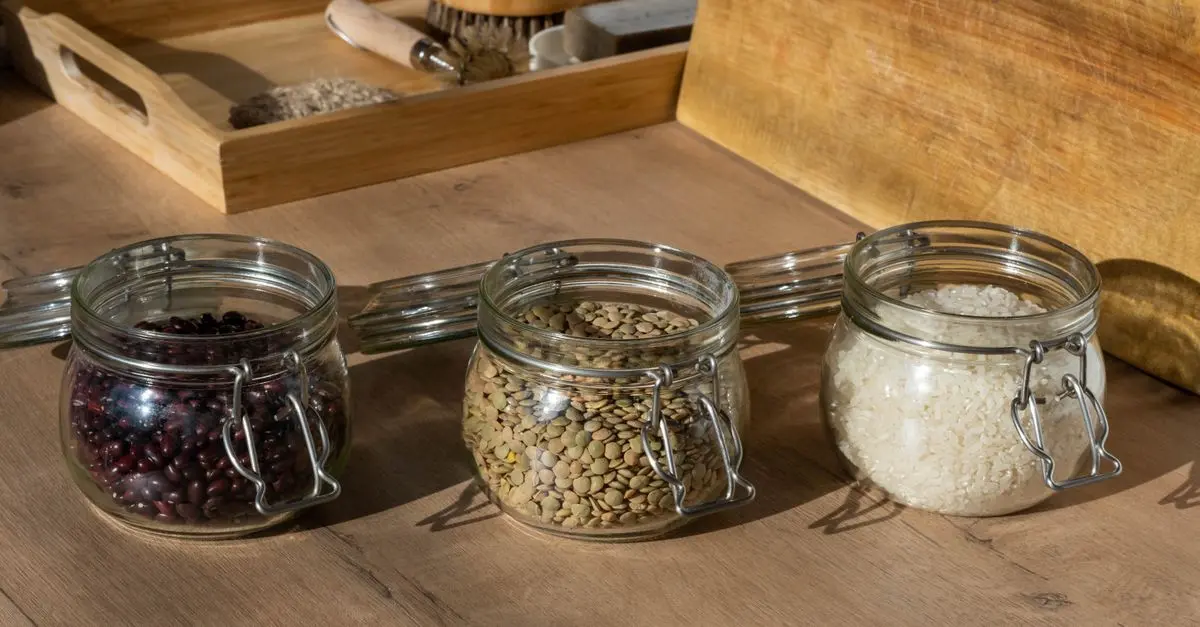
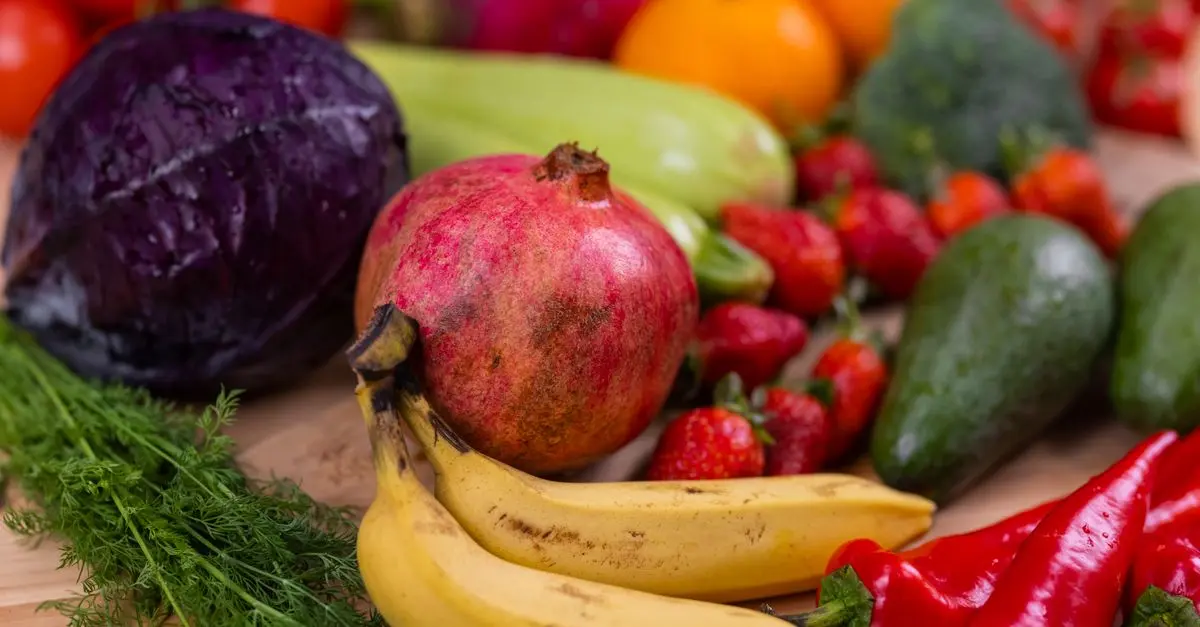
Once you're comfortable introducing vegan meals, meal planning becomes an essential practice. Research recipes and plan your meals for the week, taking into account your schedule. Meal prepping can save you time and stress during busy days. Fill your shopping basket with whole foods, including grains, beans, nuts, seeds, and plenty of fruits and vegetables. Pro Tip: Prepare larger portions of meals and store them in the freezer for quick, easy access. Aiming to have a variety of options on hand can prevent the allure of reverting to non-vegan meals out of convenience.
Step 4: Find Vegan Substitutes
Exploring alternatives for your favourite animal products can make the transition smoother. For example, switch cow's milk with almond, soy, or oat milk. Many brands now offer plant-based versions of cheese, yogurt, and even meat. Engaging your taste buds in this exploration can lead to delightful discoveries. Check labels for additives and nutritional content to ensure you are making healthy choices. Common Mistake: Often, people think replacing meat and dairy with their vegan counterparts is enough; however, focus should be placed on whole, unprocessed options as well.
Step 5: Join a Community
Surrounding yourself with like-minded individuals can significantly enhance your transition experience. Seek out vegan support groups, forums, or even local meetups. Engaging with others who share your dietary goals can provide motivation and answer questions. Online platforms, such as Facebook groups or Vegan Reddit communities, can be a great resource for recipes, tips, and encouragement. Expert Opinion: According to the plant-based nutrition expert Dr. John McDougall, community support is one of the key factors for successful long-term dietary changes. Collaborating with others can also introduce you to restaurants and new culinary ideas.
Step 6: Monitor Your Health
As you transition, it’s vital to monitor your health closely. Regular check-ups can identify any nutritional deficiencies. Keep an eye on your energy levels, mood, and overall well-being. Many vegans find that their energy improves along with their health. It may also be helpful to track your meals with apps like MyFitnessPal to ensure you're meeting your dietary needs.
Step 7: Stay Flexible and Be Kind to Yourself
Remember, transitioning to a vegan diet is a journey, and flexibility is key. If you find yourself slipping or consuming animal products occasionally, don't beat yourself up. Instead, reflect on what led to that choice and adjust your approach. Every small step counts towards a healthier lifestyle. It’s essential to feel empowered throughout this journey instead of restricted.
📺 Resources Video
> 📺 For further insight, check out: Vegan Diet Basics, a comprehensive guide to transitioning smoothly to a vegan lifestyle. Search on YouTube: "how to transition to vegan diet".
Checklist for a Smooth Transition
- [ ] Educate myself on plant-based nutrition
- [ ] Start with meatless meals to ease into the diet
- [ ] Plan and prep meals weekly
- [ ] Explore vegan substitutes for favourite foods
- [ ] Join a vegan community online or locally
- [ ] Monitor my health and energy levels
- [ ] Stay flexible and kind to myself throughout the process
Glossary
| Term | Definition |
|---|---|
| Veganism | A lifestyle that excludes all animal products, including food and materials. |
| Plant-Based Diet | A diet primarily made up of foods derived from plants, including fruits, vegetables, nuts, seeds, oils, whole grains, legumes, and beans. |
| Nutritional Deficiencies | The lack of essential nutrients in the diet, which can lead to health problems. |
> 🧠 Quick Quiz: What is a primary reason people choose a vegan diet?
> - A) To save money
> - B) Health and ethical reasons
> - C) To fit in with friends
> Answer: B — Many choose veganism for health benefits and ethical considerations.
Transitioning to a vegan diet can be an empowering choice that leads to a healthier lifestyle. Remember, it's about progress, not perfection. Embrace this journey at your own pace, and enjoy the myriad of flavours and health benefits that a vegan diet offers.