Contents (11 sections)
Transitioning to a vegan lifestyle can be a fulfilling and rewarding journey. For many, it stems from a desire to adopt a more compassionate personal ethos and improve health. However, making this commitment can feel overwhelming. This guide will walk you through a practical, step-by-step process to ensure a smooth transition to a vegan lifestyle.
Step 1: Understand Veganism and Its Benefits
The first step in your journey is to educate yourself about what veganism truly entails. Veganism goes beyond just avoiding meat; it includes abstaining from all animal products, including dairy, eggs, and honey. Understanding the ethical, environmental, and health-related implications of veganism is crucial.
According to the Vegan Society, animal agriculture is one of the leading contributors to climate change, deforestation, and loss of biodiversity. By adopting a vegan lifestyle, you reduce your carbon footprint and contribute to a more sustainable future. Additionally, studies suggest that a plant-based diet can lower the risk of chronic diseases such as heart disease and diabetes.
Step 2: Gradual Dietary Changes
Transitioning to a vegan diet doesn’t need to happen overnight. A gradual approach can make the process easier and more enjoyable. Start by eliminating one type of animal product each week or month. For example, you might decide to eliminate red meat in the first week, followed by poultry, then fish, and finally dairy and eggs. This gives your taste buds time to adjust and allows you to discover tasty vegan alternatives that you enjoy.
It can also be beneficial to try a vegan challenge, such as Veganuary, where you commit to a vegan diet for the entire month of January. This creates an opportunity to explore vegan recipes and meals, expanding your culinary skills while promoting a sustainable lifestyle.

Coupe Transition Chicco Fille 4m+ Coupe Transition
DocMorris FR (ex DoctiPharma FR)


Step 3: Stock Your Pantry with Vegan Staples
Once you've begun the transition, it's essential to stock your pantry with vegan staples to make meal preparation easier. Some key ingredients include:
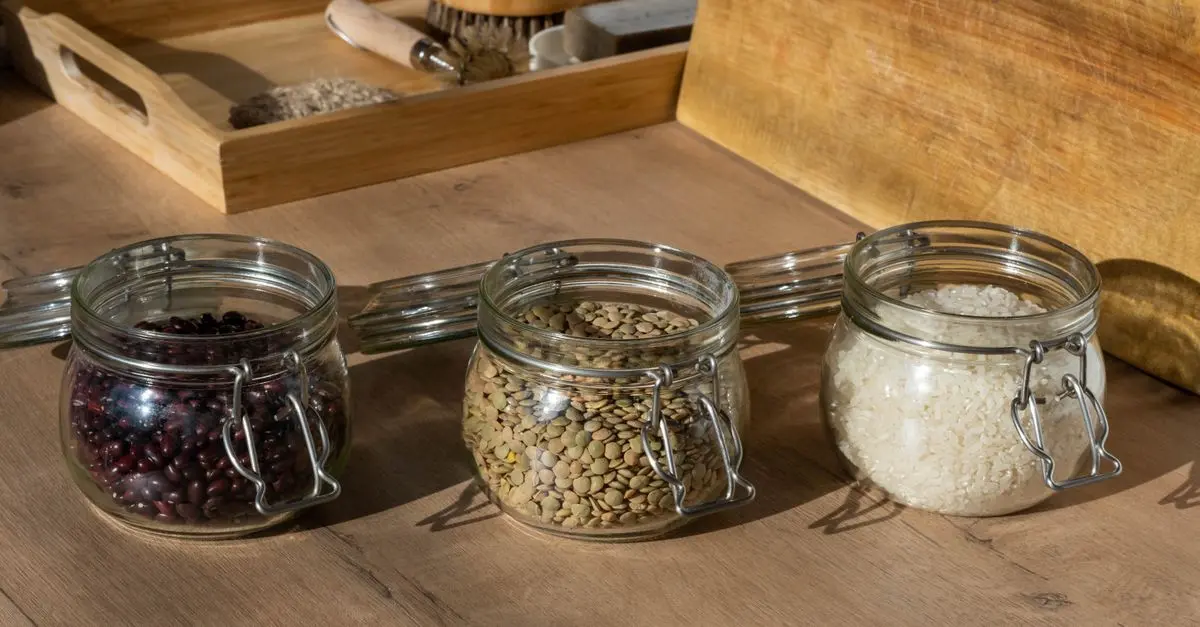
- Legumes: beans, lentils, and chickpeas are excellent sources of protein.
- Grains: quinoa, rice, and oats provide essential carbohydrates.
- Nuts and Seeds: rich in healthy fats and proteins, they can be used in various meals.
- Fruits and Vegetables: aim for a diverse selection to ensure you receive a range of vitamins and minerals.
- Plant-Based Alternatives: such as vegan cheeses, milks, and meats can help ease the transition.
Step 4: Explore Vegan Recipes
Cooking at home is a great way to embrace veganism fully. Start experimenting with vegan recipes and keep a list of your favourites. Websites like Minimalist Baker and Vegan Richa offer numerous simple yet delicious plant-based recipes. You don’t have to sacrifice flavour; many vegan dishes are colourful and packed with nutrients.
Incorporating more whole foods, like fruits, vegetables, and grains, into your meals will naturally reduce the urge for animal products. Meal prep is also an effective way to save time and ensure you always have a healthy, delicious option on hand.
Step 5: Stay Informed and Connect with Others
Joining vegan communities, both online and offline, can provide support and inspiration throughout your transition. Forums, social media groups, and local meetups can connect you with like-minded individuals who share tips, recipes, and encouragement. Furthermore, researching vegan blogs and documentaries can reinforce your commitment and enhance your understanding of the various aspects of vegan living.
It’s essential to stay informed about the nutritional aspects of your new diet, too. Vitamins such as B12, which is primarily found in animal products, might require supplementation so you can maintain optimal health. Consult with a healthcare professional to discuss any dietary deficiencies or concerns as you transition.
Checklist for a Smooth Transition
- [ ] Educate yourself about veganism and its benefits.
- [ ] Plan your dietary changes gradually.
- [ ] Stock your pantry with vegan staples.
- [ ] Experiment with new vegan recipes.
- [ ] Join vegan communities for support.
- [ ] Research nutritional needs and supplements.
Conclusion
Transitioning to a vegan lifestyle is a significant step towards a healthier and more sustainable future. By taking a gradual approach, educating yourself, and connecting with others, you can make this transition both enjoyable and fulfilling. Remember, it’s not about perfection; it’s about progress. Every small change contributes to the larger goal of a vegan lifestyle. Embrace the journey!
Glossaire
| Terme | Définition |
|---|---|
| Veganisme | Mode de vie excluant toutes les formes d'exploitation animale. |
| Alternatives végétales | Produits alimentaires créés pour imiter les caractéristiques des produits animaux. |
| B12 | Vitamine essentielle principalement trouvée dans les produits d'origine animale. |
📺 Ressource Vidéo
> 📺 Pour aller plus loin : Transitioning to Veganism: Tips and Tricks, une analyse complète de la transition vers le véganisme. Recherchez sur YouTube : "vegan transition guide 2026".
🧠 Quiz rapide :
> Quel est le principal avantage d'un régime végétalien?
> - A) Moins cher
> - B) Meilleure santé
> - C) Plus de goûts
> Réponse : B — Un régime végétalien bien planifié peut entraînerune meilleure santé.
📺 Pour aller plus loin : Why Are You Actually Vegan? - Peter Attia sur YouTube
Recommended products
Selected by our experts
Coupe Transition Chicco Fille 4m+ Coupe Transition
DocMorris FR (ex DoctiPharma FR)
This product supports young families in making their transition to a more sustainable lifestyle.
Chicco TAZZA TRANSITION AZZ 4M
DocMorris FR (ex DoctiPharma FR)
Recommended for helping children adapt to healthier eating habits.
Mam Bib Transition Garcon220Ml
DocMorris FR (ex DoctiPharma FR)
This practical item can assist parents in guiding their children through dietary changes.