Contents (9 sections)
Adopting a vegan lifestyle brings numerous health benefits, but understanding vegan nutrition is essential to ensure that you meet your dietary needs adequately. A vegan diet is entirely plant-based, meaning it excludes all animal products, focusing on fruits, vegetables, grains, nuts, and seeds. The nutritional challenge for vegans lies in obtaining essential nutrients that are sometimes less abundant in plant-based foods.
The Importance of Whole Foods
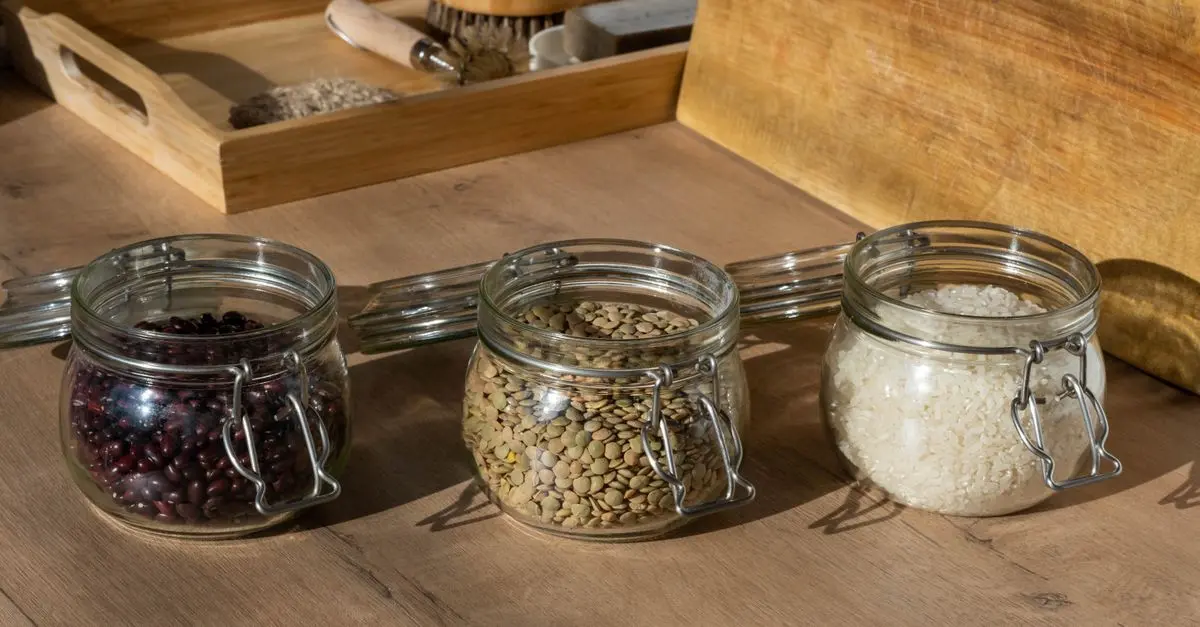
In a balanced vegan diet, the emphasis should always be on whole foods rather than processed vegan alternatives. Consuming whole foods not only enhances nutrient intake but also provides a wealth of phytochemicals and dietary fibre that support overall health. For instance, legumes such as lentils and chickpeas are excellent sources of protein and iron, while leafy greens like spinach are packed with calcium and other vital micronutrients.
It’s important to complement these foods to ensure you receive a complete range of amino acids, which are the building blocks of protein. Combining legumes with whole grains, like rice and beans, creates a complete protein source, making it easier to meet daily requirements without animal products.
Key Nutrients in a Vegan Diet
Iron
Iron is crucial for maintaining energy levels and ensuring proper muscle function. Vegan sources of iron, such as lentils, quinoa, and fortified cereals, can be made more bioavailable when consumed with vitamin C-rich foods, like oranges or bell peppers. The recommended dietary allowance (RDA) for iron is about 14 mg for adult women and 8 mg for adult men, though this can vary based on individual health conditions and dietary habits.
Vitamin B12
Perhaps one of the most critical nutrients lacking in vegan diets is Vitamin B12, primarily found in animal products. A deficiency can lead to serious neurological issues and anaemia. It is vital for vegans to consume fortified foods or take a B12 supplement to ensure adequate intake, as the RDA is approximately 2.4 micrograms for most adults.
Omega-3 Fatty Acids
Omega-3s are essential fats that play a critical role in heart health and brain function. While they are predominantly found in fish, vegans can obtain these fatty acids through flaxseeds, chia seeds, and walnuts. Alternatively, algae-based supplements are a great source of DHA and EPA, the two most beneficial forms of omega-3s for human health.
How to Build a Balanced Vegan Plate
Building a balanced vegan plate involves combining various food groups to ensure you meet your nutritional goals. A good structure could be:
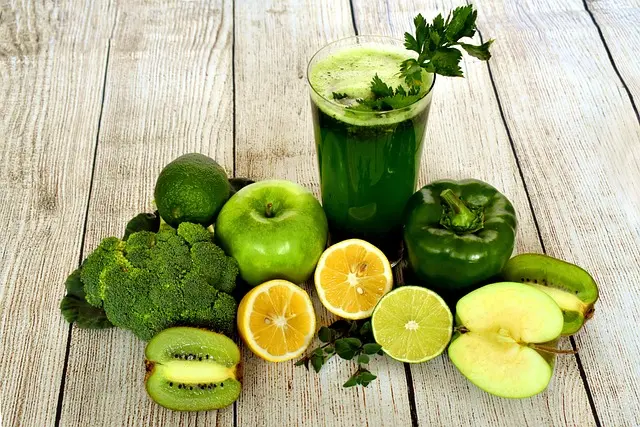
- Half your plate: Non-starchy vegetables (e.g., broccoli, carrots, kale)
- One quarter: Whole grains (e.g., brown rice, quinoa, whole grain pasta)
- One quarter: Protein sources (e.g., lentils, beans, tofu, tempeh)
- Healthy fats: Incorporate nuts, seeds, or avocados for a healthy fat source.
Engaging in meal prepping can further help in achieving this balance. Plan your meals weekly, ensuring you include a variety of flavours and nutrients, while saving time in cooking.
Comparative Overview of Vegan vs. Omnivorous Diets
| Nutrient | Vegan Sources | Omnivorous Sources | Considerations |
|---|---|---|---|
| Protein | Lentils, beans, tofu | Meat, dairy | Ensure protein variety |
| Iron | Spinach, legumes | Red meat, poultry | Pair with Vitamin C |
| B12 | Fortified foods, supplements | Meat, dairy | Supplement when necessary |
| Calcium | Fortified plant milks, tofu | Dairy | Monitor intake variably |
| Omega-3 | Flaxseeds, chia seeds | Fish, algae | Consider algae supplements |
This table highlights the differences in nutrient sources between vegan and omnivorous diets. It emphasises the importance of awareness when it comes to dietary choices. Vegans need to be proactive in sourcing their nutrients from a variety of options available.
Analysing Trends in Vegan Nutrition
Research indicates that around 2% of the UK population identifies as vegan, representing a growing trend in dietary choices. According to a study by The Vegan Society, the number of vegans increased fourfold from 2014 to 2020. This shift prompts a greater need for awareness regarding proper vegan nutrition and health implications.
Coupled with this trend, it's worth noting the increased availability of vegan products in supermarkets, ranging from plant milks to meat alternatives, which can often mislead consumers regarding health values versus health claims. Thus, critical reading of labels and understanding macronutrient contributions is essential.
💡 Expert Opinion: A registered dietitian advises, “A successful vegan diet hinges on knowledge and preparation. Make use of diverse food groups, and don’t shy away from supplements where required.”
FAQ on Vegan Nutrition
What nutrients should I be most concerned about on a vegan diet?
Focus on protein, vitamin B12, iron, calcium, and omega-3 fatty acids, as these can be harder to obtain from a vegan diet.
Is it possible to get enough protein from a vegan diet?
Yes, by consuming a variety of plant-based proteins throughout the day, including legumes, grains, nuts, and seeds.
How can I ensure I'm getting enough vitamins and minerals?
Incorporate fortified foods, read labels for nutrient content, and consider supplementation for nutrients like B12 and iron.
Are vegan diets suitable for children?
Yes, vegan diets can be healthy for children if well-planned and balanced, ensuring they receive all necessary nutrients.
Glossary
| Term | Definition |
|---|---|
| Veganism | A lifestyle choice that excludes all animal products from the diet |
| Nutrient Density | The ratio of essential nutrients to the number of calories in food |
| Complete Protein | A protein source that contains all essential amino acids |
Checklist before committing to a vegan lifestyle
- [ ] Research on essential nutrients
- [ ] Plan your meals weekly
- [ ] Purchase fortified products
- [ ] Consult with a healthcare professional
- [ ] Experiment with diverse recipes
📺 For further insight: Understanding Vegan Nutrition, an insightful discussion that breaks down nutritional requirements for vegans. Search for: `
Vegan diet nutrition 2026`.
In conclusion, understanding vegan nutrition is crucial for your health and wellbeing. With the right knowledge, resources, and meal planning, you can thrive on a vegan diet while meeting all your body's nutritional needs effectively. Explore our recommendations below to complement your journey.
📺 Pour aller plus loin : vegan diet nutrition 2026 sur YouTube
Recommended products
Selected by our experts
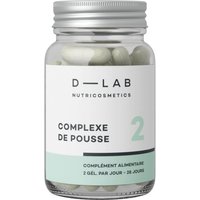
Compléments alimentaires Complexe de Pousse - 1 mois - D-LAB Nutricosmetics
Blissim FR
This supplement can support your hair and skin health, an important consideration as these may be impacted due to dietary changes.
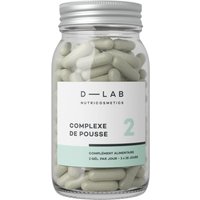
Compléments alimentaires Complexe de Pousse - 3 mois - D-LAB Nutricosmetics
Blissim FR
Having a longer-term supply of essential nutrients can help maintain health as you adapt to a vegan diet.

Compléments alimentaires Détox Microcirculation - D-LAB Nutricosmetics
Blissim FR
Supports overall body functions and is specialised for detox, great for anyone monitoring their intake.