Contents (16 sections)
Vegan cooking techniques are pivotal to creating enjoyable and nutritious meals. As more individuals adopt a plant-based lifestyle, understanding these techniques becomes increasingly important. This guide aims to equip you with essential methods that not only enhance flavours but also contribute to a healthier lifestyle. From mastering the art of seasoning to efficiently utilising various cooking methods, this tutorial will provide you with all the tools you need to whip up delicious vegan dishes.
1. Preparing Your Ingredients
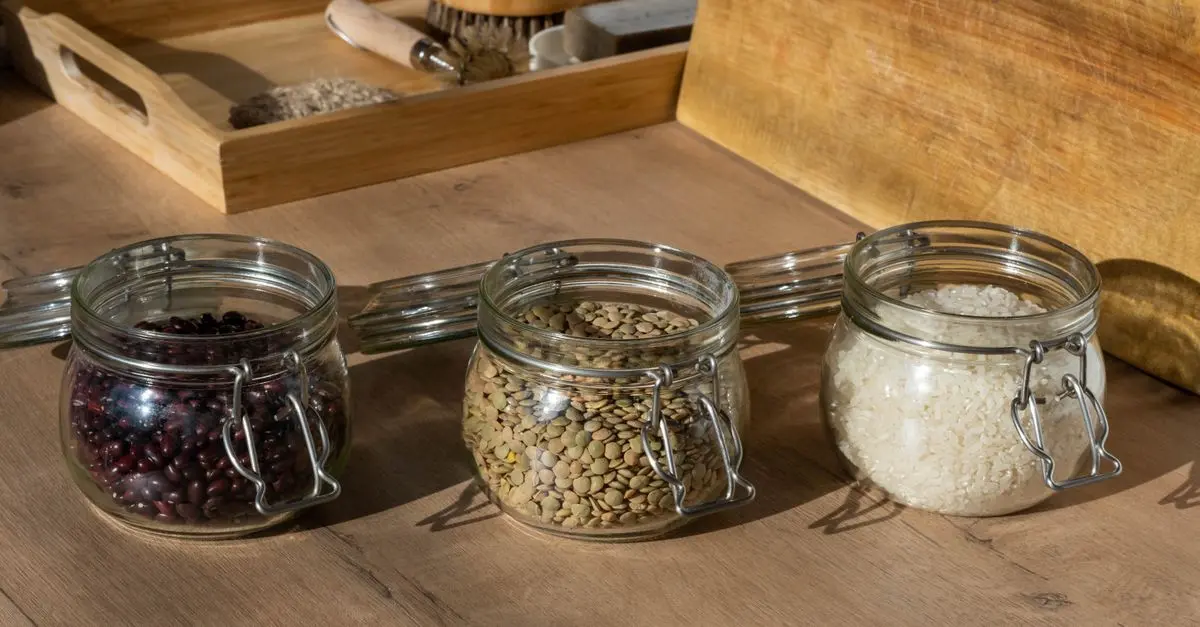
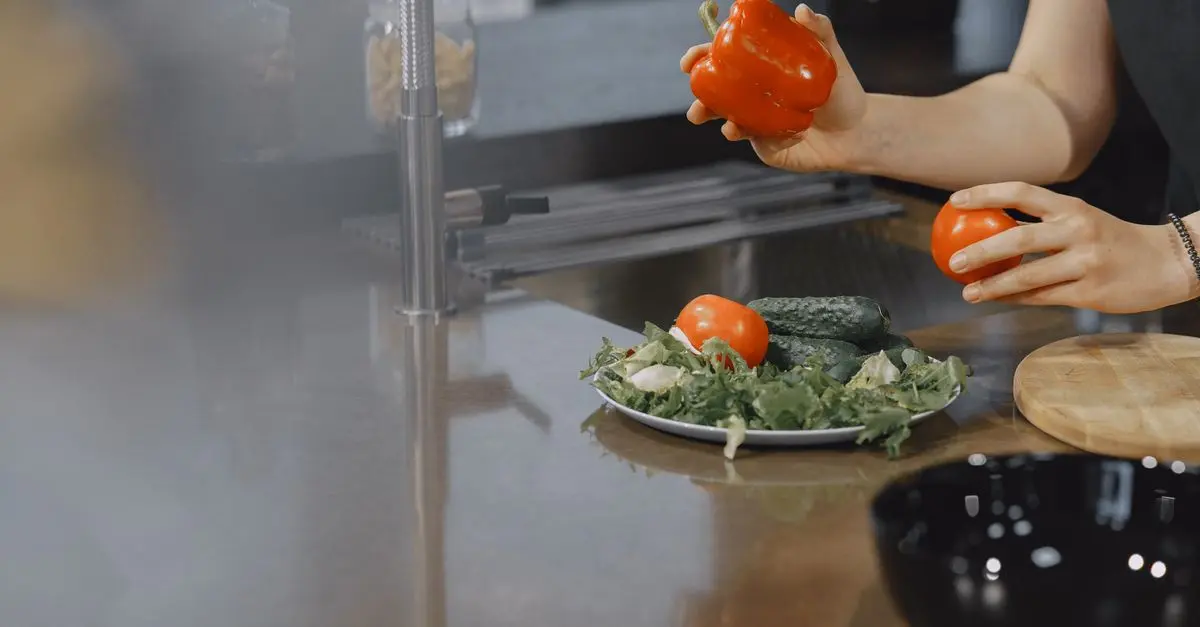
Before diving into the cooking process, ensure your workspace is well-prepared. Gather and wash your vegetables, legumes, and grains thoroughly. Knowing how to handle and prepare your ingredients forms the foundation of excellent vegan cooking. For instance, chopping vegetables uniformly allows for even cooking and enhances presentation. Moreover, consider soaking legumes overnight; this reduces cooking time and improves digestibility.
Tips for Preparation:
- Buy fresh, seasonal produce for maximum flavour.
- Invest in a good quality knife and cutting board for efficient chopping.
- Pre-prep your ingredients for meals throughout the week to save time.
Also, using the right equipment is essential. A reliable steam basket and good-quality knives will enhance your cooking experience. We have selected several products suited for your cooking needs below.
2. Essential Cooking Techniques
Understanding different cooking techniques is crucial. Here are some that significantly enhance the quality of your vegan meals:
- Sautéing: This technique uses a small amount of oil and is great for bringing out flavours. Use it for onions, garlic, and spices as a base for many dishes.
- Roasting: Roasting vegetables intensifies their flavour, making them caramelised and appealing. This technique works well for root vegetables and hearty greens.
- Steaming: Preserving nutrients is a key goal in vegan cooking. Steaming is healthy and retains the vibrant colours of vegetables.
Each technique offers unique benefits and should be chosen based on the type of dish you are preparing. For example, roasting carrots brings out their natural sweetness, while steaming maintains their crunch.
Checklist for Cooking Techniques:
- [ ] Gather your equipment and ingredients.
- [ ] Choose your cooking technique based on the dish.
- [ ] Monitor cooking times to avoid overcooking.


3. Seasoning and Flavours
Seasoning is foundational in vegan cooking, as it compensates for the absence of animal products. Herbs, spices, and other flavour enhancers are essential:
- Herbs and Spices: Fresh herbs like basil, coriander, and parsley add fragrance and flavour. Spices such as cumin and smoked paprika can elevate your dishes.
- Acids: Lemon juice, vinegar, and lime zest can brighten up flavours significantly.
- Umami Boosters: Ingredients like nutritional yeast, mushrooms, and miso provide depth and satisfaction to your meals.
Tips for Effective Seasoning:
- Taste as you cook to ensure balanced flavours.
- Layer your seasonings, adding in stages to achieve depth.
- Experiment with combining spices to create unique blends.
4. Cooking Grains and Legumes
Cooking grains and legumes can be straightforward if you follow some essential guidelines:
- Cooking Grains: Rinse grains before cooking to remove excess starch. The water-to-grain ratio may vary; for instance, quinoa typically uses a 2:1 ratio, while brown rice uses a 2.5:1 ratio.
- Cooking Legumes: Soaking can cut down cooking time significantly. Pressure cooking legumes can further reduce time and improve texture. Beans should be soft but not mushy.
Common Errors to Avoid:
- Overcooking grains and legumes can lead to a mushy texture. Monitor your cooking times closely.
- Not salting water for grains can lead to blandness; add salt at the beginning for better flavour absorption.
5. Creating Balanced Meals
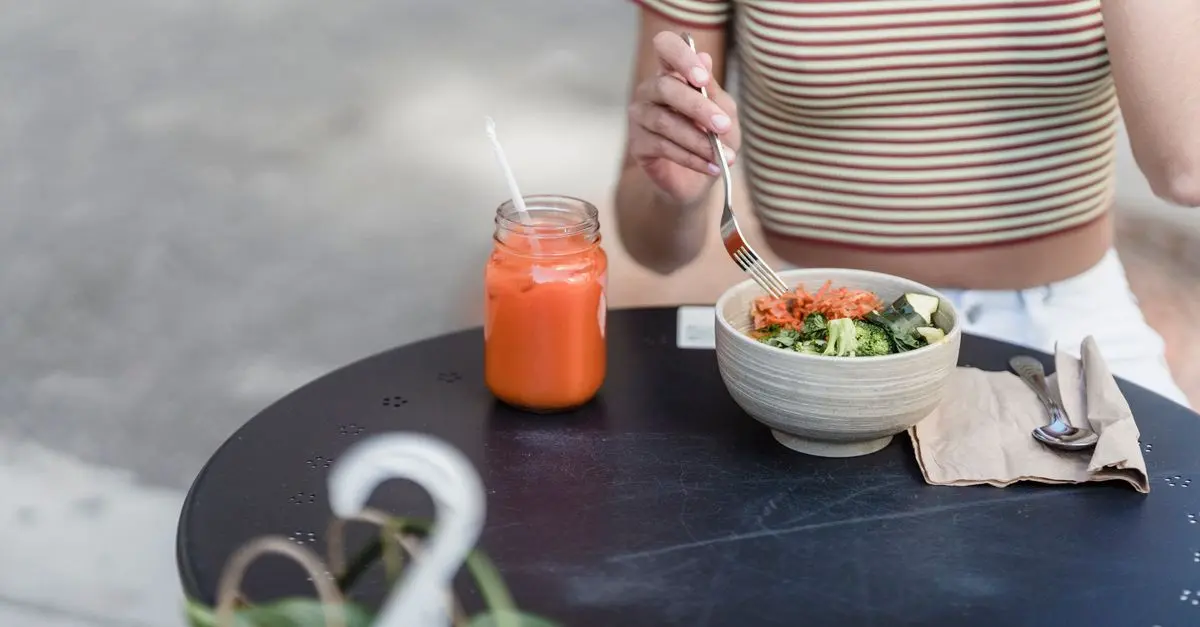
A well-balanced vegan meal consists of proteins, carbohydrates, and healthy fats. Incorporate a variety of food groups:
- Proteins: Think lentils, chickpeas, tofu, and tempeh to provide essential amino acids.
- Carbohydrates: Include whole grains and starchy vegetables for energy.
- Healthy Fats: Avocado, nuts, and seeds offer necessary fats and satisfy hunger.
Example of a Balanced Vegan Plate:
| Component | Example | Portion Size | Benefits |
|---|---|---|---|
| Protein | Lentils | 1 cup | High in protein |
| Carbohydrates | Brown rice | 1 cup | Energy source |
| Vegetables | Steamed broccoli | 1 cup | Nutrient-rich |
| Fats | Avocado | Half | Healthy fats |
6. Embracing New Ingredients
In vegan cooking, you have the opportunity to experiment with various ingredients. Challenge yourself to use unfamiliar items such as:
- Sea Vegetables: Seaweed adds an umami flavour and is packed with nutrients.
- Fermented Foods: Kimchi and sauerkraut enhance gut health and add zest.
How to Incorporate New Ingredients:
- Start with one unfamiliar item at a time in your meals.
- Research unique recipes dedicated to these ingredients.
- Join community groups to share experiences and get inspiration.


Conclusion
Mastering vegan cooking techniques can open a world of flavour and nutrition. With the information provided in this guide, you are well-equipped to embark on your culinary journey. Don’t forget to explore our recommended products below to enhance your cooking experience!
📺 For further exploration:
Check out [this video on vegan cooking techniques] for real-time demonstrations of these methods!
Glossaire
| Terme | Définition |
|---|---|
| Sauteing | Cooking quickly in a small amount of fat on high heat. |
| Umami | A rich and savoury taste that enhances and balances the overall flavour of dishes. |
| Fermentation| A process where sugar is converted into acids or alcohol through the actions of microorganisms.
Checklist avant achat
- [ ] Ensure you have all necessary ingredients.
- [ ] Review techniques to master.
- [ ] Experiment with new flavours and spices.
- [ ] Plan balanced meals ahead of time.
- [ ] Continue learning by trying new recipes.
🧠 Quiz rapide: What is the best way to retain nutrients when cooking vegetables?
- A) Boiling
- B) Steaming
- C) Frying
Réponse : B — Steaming preserves more nutrients.
📺 Pour aller plus loin : vegan cooking techniques tutorial 2026 sur YouTube
Recommended products
Selected by our experts

Books/DVDs Rendering in Pen and Ink: The Classic Book on Pen and Ink Techniques for Artists, Illustrators, Architects and Designers : Book by Arthur
craftyarts.co.uk

L'Oréal Professionnel Blond Studio 8 Levels Multi Techniques Sachet 50g
sallybeauty.co.uk