Contents (13 sections)
Vegan cooking at home offers a myriad of benefits beyond just diet preferences. By opting for vegan meals, you contribute positively to your health, environment, and wallet. In this article, we explore the many advantages of cooking vegan at home and provide practical steps to make the transition easier.
1. Promotes Better Health
Cooking vegan at home significantly improves health outcomes. Plant-based diets are associated with a lower risk of chronic diseases such as heart disease, diabetes, and obesity. Nutrient-rich, whole foods like fruits, vegetables, legumes, nuts, and grains are the foundation of vegan cooking. For instance, a study published in the Journal of the American Heart Association found that those who follow a plant-based diet have a 32% lower risk of heart disease.
2. Environmentally Friendly Choices
The environmental benefits of a vegan diet are profound. According to UN reports, livestock production is a major contributor to greenhouse gas emissions, deforestation, and water consumption. By choosing to cook and eat vegan meals, you can significantly reduce your environmental footprint. For example, transitioning to plant-based meals can save approximately 1,100 gallons of water per day per person.
3. Cost-Effective Meal Preparation
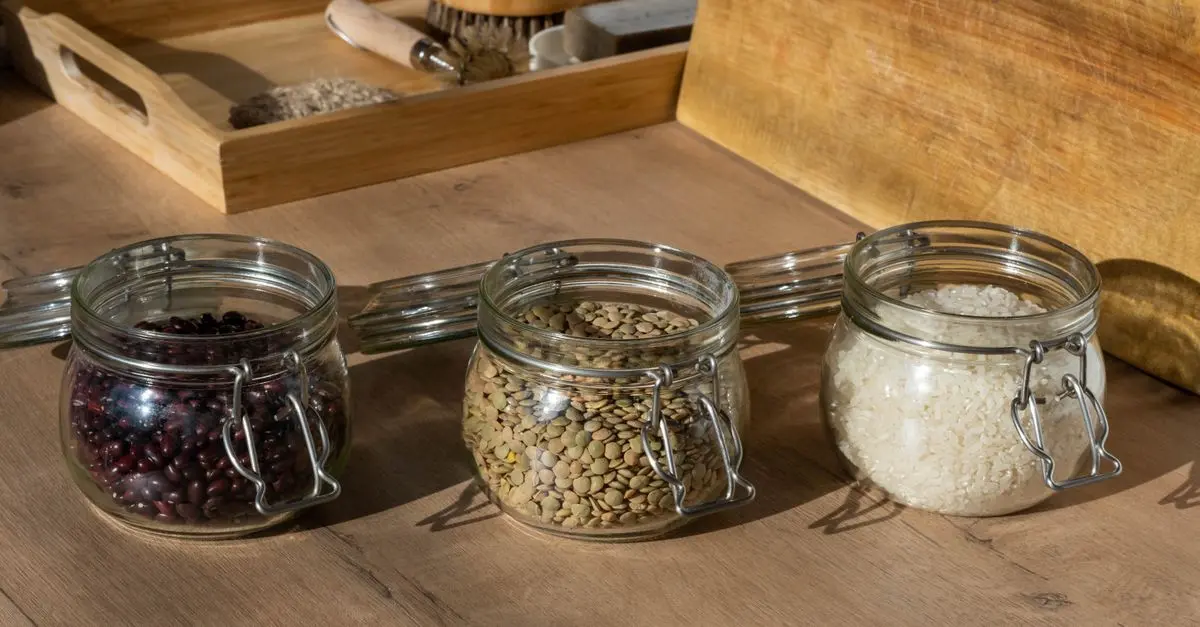
Cooking vegan at home can also be a budget-friendly option. Plant-based ingredients are often more affordable compared to meat and dairy products. Basic staples like beans, rice, potatoes, and seasonal vegetables are not only cheaper but also versatile. Preparing meals from scratch allows you to control portion sizes and reduce waste, which contributes to more savings in your weekly grocery bills.
4. Culinary Exploration and Creativity
One of the most exciting aspects of cooking vegan at home is the opportunity for culinary creativity. You can experiment with a range of flavours, textures, and cooking methods. From crafting hearty stews to vibrant salads, the variety is endless. Furthermore, trying out new recipes can help you discover your cooking style and preferences, making mealtime an enjoyable experience rather than a chore.
5. Enhanced Nutritional Profile
Preparing vegan meals allows you to focus on nutrient density. Vegan dishes can be loaded with vitamins, minerals, and antioxidants which are crucial for maintaining good health. For instance, leafy greens like kale and spinach are packed with iron and calcium, while nuts provide healthy fats and protein. By cooking at home, you can tailor each meal to your nutritional needs and goals, ensuring you get the most out of your ingredients.
6. Supports Local Agriculture
By sourcing ingredients locally for your vegan meals, you support local farmers and reduce your carbon footprint. Many grocery stores and markets offer a range of organic and seasonal produce, fostering a closer relationship with the food you consume. This not only enhances food quality, as fresh produce retains more nutrients, but it also contributes to sustainable farming practices.
7. Building Community Bonds
Cooking vegan meals can foster communal bonds, whether through shared cooking experiences or participating in local vegan groups. Hosting potlucks or joining community cooking classes allows you to connect with like-minded individuals, sharing recipes and tips while enjoying delicious meals together.
8. Mindful Eating Practices
Adopting a vegan diet encourages mindful eating practices. Preparing your meals from scratch allows you to be conscious of the ingredients you use and the nutrition they provide. This heightened awareness can lead to healthier eating habits, reducing reliance on processed foods and making more intentional food choices. According to research from Harvard University, being intentional about food consumption positively impacts overall well-being.
📺 Resource Video
> 📺 For deeper insight: Discover the joys of vegan cooking at home, a comprehensive guide on practical tips and delicious recipes. Search on YouTube: "vegan cooking tips 2026".
🧠 Quick Quiz:
> What is the primary benefit of cooking vegan at home?
> - A) It's more expensive.
> - B) It supports local ecosystems.
> - C) It requires special equipment.
> Answer: B — Cooking vegan supports sustainable local farming.

Checklist Before You Start Cooking Vegan
- [ ] Gather essential vegan pantry staples.
- [ ] Research and select your favourite vegan recipes.
- [ ] Plan your weekly meals ahead of time.
- [ ] Explore local farmers' markets for fresh ingredients.
- [ ] Try a new cooking technique this week.
Glossary
| Terme | Définition |
|---|---|
| Veganisme | Mode de vie excluant l'utilisation de produits d'origine animale. |
| Nutrition végétale | Étude de la santé sur la base d'un régime alimentaire à base de plantes. |
| Protéines végétales | Protéines dérivées de sources végétales comme les légumineuses et les noix. |
By understanding the benefits of cooking vegan at home, you're not merely choosing a diet but a lifestyle that enhances your health, community, and the environment. An excellent way to start this journey is by trying out new recipes and experimenting with the rich flavours that vegan cooking has to offer. For those eager to venture further into vegan cooking, explore our recommended products below that can aid your culinary endeavours.
📺 Pour aller plus loin : vegan cooking tips 2026 sur YouTube
Recommended products
Selected by our experts