Contents (16 sections)
In the world of vegan cuisine, the right techniques can significantly elevate your cooking skills and transform your meals into delightful culinary experiences. Vegan cooking techniques allow for creative expression, making use of plant-based ingredients in innovative ways to maximise flavour and texture. This guide explores the essential techniques you need to master to take your vegan cooking to the next level.
1. Understanding Vegan Ingredients
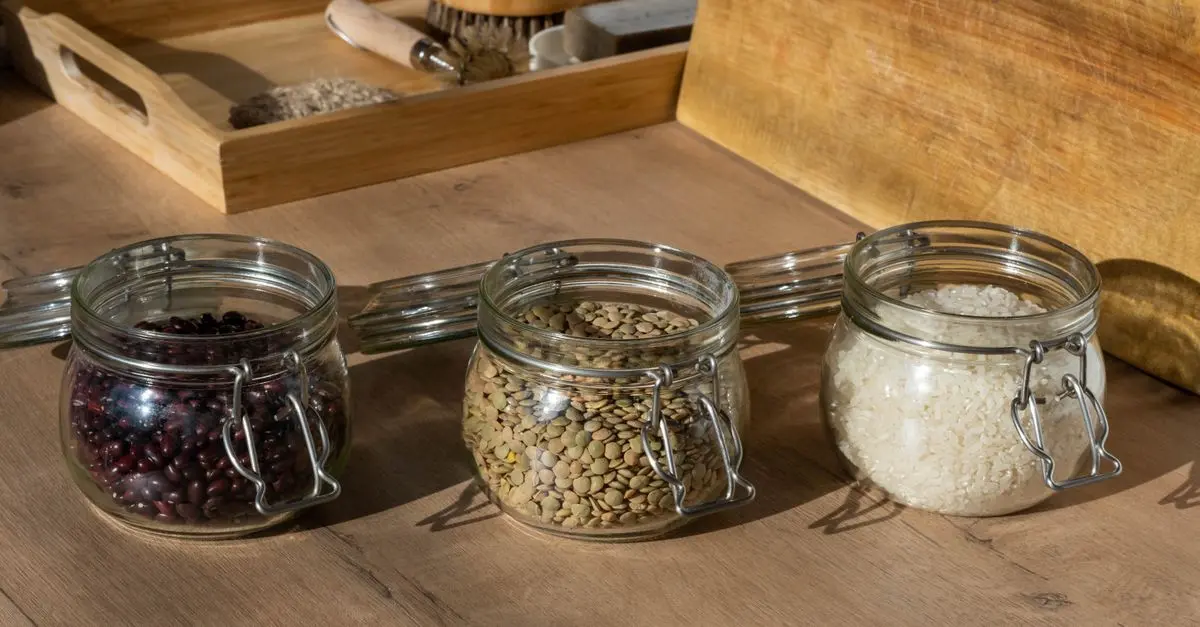
Before delving into cooking techniques, it is crucial to understand the ingredients that form the backbone of vegan cuisine. Plant-based foods such as legumes, grains, nuts, seeds, and vegetables are key components. These ingredients not only provide nutrition but also offer a variety of flavours and textures. For example, lentils can be used in curries and soups, while cashews can be blended into creamy sauces.
The Role of Substitutes
Moreover, knowing how to substitute ingredients for common non-vegan components is essential. For instance, aquafaba can be used in place of eggs in baking, while nutritional yeast can mimic cheese flavours in dishes. Familiarising yourself with these substitutes is the first step in effectively utilising vegan cooking techniques.
2. Techniques for Cooking Legumes
Cooking legumes properly can transform their texture and flavour. Here’s a step-by-step guide on how to effectively prepare them:
- Soaking: Begin by soaking your legumes overnight to reduce cooking time and enhance digestibility.
- Rinsing: After soaking, rinse them thoroughly to remove any anti-nutrients that might interfere with digestion.
- Cooking: Place the soaked legumes in a pot with fresh water. Bring to a boil, reduce to a simmer, and cook until tender. For chickpeas, this can take up to 1.5 hours.
- Seasoning: Once cooked, season with herbs and spices. Adding salt during cooking can result in tougher legumes, so it’s best to wait until they are fully cooked.
- Storing: Cooked legumes can be stored in the fridge for up to a week or can be frozen for later use.
This method not only preserves the nutritional value but also ensures optimal flavour, making your vegan meals more satisfying.


3. Mastering Vegetable Cooking Techniques
Vegetables are at the heart of vegan cooking, and employing the right techniques can enhance their appeal. Here are some effective methods:
- Steaming: Ideal for retaining nutrients and flavour. Steam vegetables until they are vibrant and slightly tender. This method works well for broccoli, green beans, and carrots.
- Sautéing: Quickly cooking vegetables in a little oil with high heat can bring out their natural sweetness. Add garlic or ginger for extra flavour.
- Roasting: Roasting vegetables at high temperatures caramelises their natural sugars, enhancing taste. This is particularly effective with root vegetables like sweet potatoes and carrots.
- Blanching: This technique involves boiling vegetables for a short time, then submerging them in ice water to preserve colour and crispness. This is great for greens like kale and spinach.
Each of these techniques allows the natural flavours of vegetables to shine through, creating mouth-watering dishes that are both nutritious and satisfying.
4. Creating Flavour with Sauces and Dressings
Vegan sauces and dressings can elevate any dish and add layers of flavour. Here are some techniques to consider:
- Blending: Using a high-speed blender, blend cashews, nutritional yeast, lemon juice, and spices to create a creamy cheese sauce.
- Reduction: A reduction sauce can intensify flavours. Start with a vegetable broth and simmer it down until thickened. Add herbs for additional flavour.
- Marination: Marinate tofu, tempeh, or vegetables in sauces to enhance their flavour before cooking. Ingredients like soy sauce, balsamic vinegar, and herbs work exceptionally well.
- Emulsification: For dressings, combine oil and vinegar with mustard or agave syrup and whisk vigorously until emulsified.
These methods allow you to create diverse sauces and dressings that can transform bland plant-based meals into culinary masterpieces.
5. Baking and Desserts
Baking vegan goodies can be tricky yet rewarding. Using the right techniques is key:
- Substitutions: Use flaxseed or chia seeds mixed with water as egg replacements for binding. This creates a similar texture to traditional baking.
- Texture Improvements: Incorporating nut flours can enhance the texture of baked goods. For example, almond flour not only adds flavour but moisture in muffins or cakes.
- Timing and Temperature: Pay close attention to baking times. Vegan goodies often bake more quickly, so it’s essential to check earlier than non-vegan recipes recommend.
Comparison of Cooking Techniques
| Technique | Legumes | Vegetables | Sauces | Baked Goods |
|---|---|---|---|---|
| Soaking | Yes | No | No | Yes |
| Steaming | No | Yes | No | No |
| Sautéing | No | Yes | Yes (for flavour) | No |
| Roasting | No | Yes | No | No |
| Emulsifying | No | No | Yes | No |
Understanding these comparisons will help streamline your cooking process and enhance your meals dramatically.


Checklist for Vegan Cooking Success
- [ ] Choose fresh, seasonal ingredients.
- [ ] Master basic cooking techniques for legumes and vegetables.
- [ ] Experiment with flavour profiles in sauces and dressings.
- [ ] Learn baking substitutes and techniques.
- [ ] Keep a well-stocked pantry with essential vegan ingredients.
📺 Resource Video
> 📺 To delve deeper: Master Essential Vegan Cooking Techniques, a thorough guide on effectively cooking plant-based meals. Search on YouTube: vegan cooking techniques 2026.
What are the best techniques for cooking tofu?
Using marinades and proper cooking methods like baking, grilling, or frying can enhance the flavour and texture of tofu.
How do I choose the right ingredients for vegan desserts?
Focus on high-quality substitutes like nut flours and plant-based milks to achieve a delicious texture and taste.
Can vegan cooking be as flavourful as non-vegan cooking?
Absolutely! With the right techniques and seasonings, vegan meals can be incredibly flavourful and satisfying.
Is meal prep easier with vegan cooking?
Many vegan meals can be prepared in bulk and stored, making meal prep both easy and convenient.
Glossary
| Terme | Définition |
|---|---|
| Aquafaba | Le liquide provenant de la cuisson des pois chiches, utilisé comme substitut d'œuf. |
| Emulsification | Technique de mélange pour combiner des ingrédients qui ne se mélangent pas naturellement. |
| Umami | Cinquième goût, souvent décrit comme savoureux, important dans la cuisine végétale. |
---
📺 Pour aller plus loin : vegan cooking techniques 2026 sur YouTube
Recommended products
Selected by our experts

Books/DVDs Rendering in Pen and Ink: The Classic Book on Pen and Ink Techniques for Artists, Illustrators, Architects and Designers : Book by Arthur
craftyarts.co.uk

L'Oréal Professionnel Blond Studio 8 Levels Multi Techniques Sachet 50g
sallybeauty.co.uk