Contents (16 sections)
Maintaining a balanced vegan diet requires attention to protein sources. As more individuals adopt plant-based lifestyles, understanding the best vegan protein sources is crucial for health and fitness. This guide explores various protein-rich plant foods, helping you to easily incorporate them into your daily meals.
What are Vegan Protein Sources?
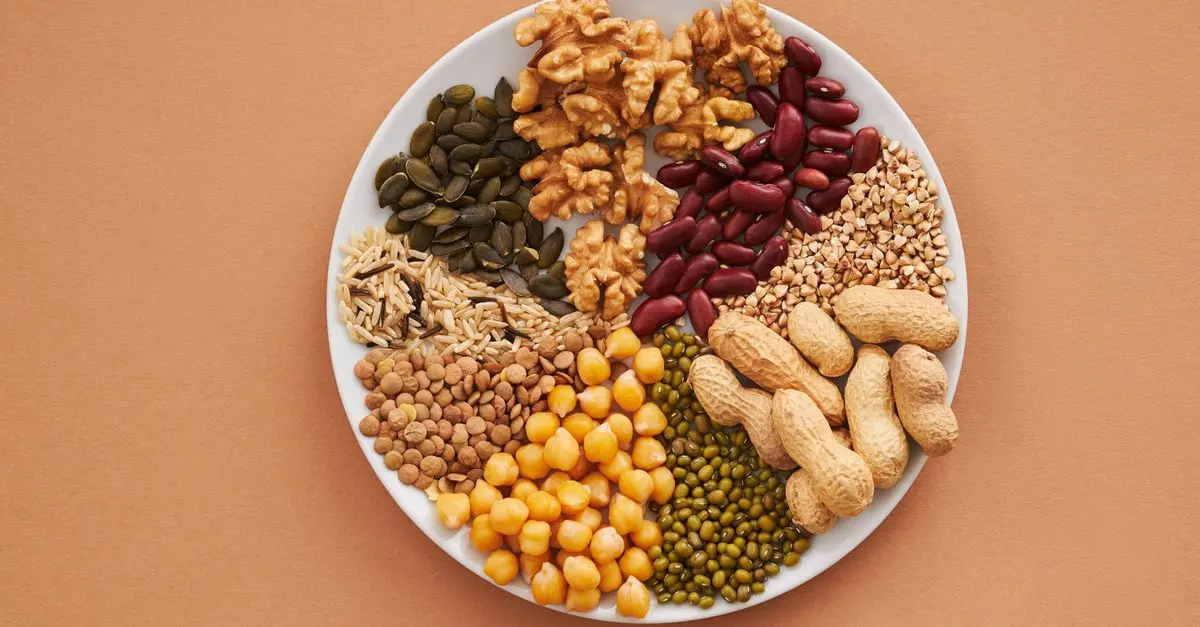
Vegan protein sources are foods derived from plants that provide essential amino acids necessary for muscle growth, repair, and overall health. Commonly known plant-based proteins include legumes, nuts, seeds, and whole grains. Interestingly, a study from the American Journal of Clinical Nutrition showed that plant-based protein consumption can contribute significantly to daily dietary requirements, promoting muscle strength and repair. Moreover, quinoa, often termed a superfood, is one of the few plant foods considered a complete protein, which means it contains all nine essential amino acids.
Benefits of Plant-Based Proteins
Incorporating vegan protein sources into your diet offers a multitude of health benefits. Such proteins are typically lower in saturated fats and calories compared to animal proteins, leading to improved heart health and weight management. Additionally, plant-based diets are rich in antioxidants, fibre, and vitamins, further supporting overall well-being. To illustrate, a double-blind study published in Nutrients (2025) indicated that individuals consuming higher amounts of plant proteins had lower levels of LDL cholesterol—the bad cholesterol—compared to those on animal-based diets.
Key Vegan Protein Sources
Identifying the right vegan protein sources is essential. Below is a list of some top contenders:
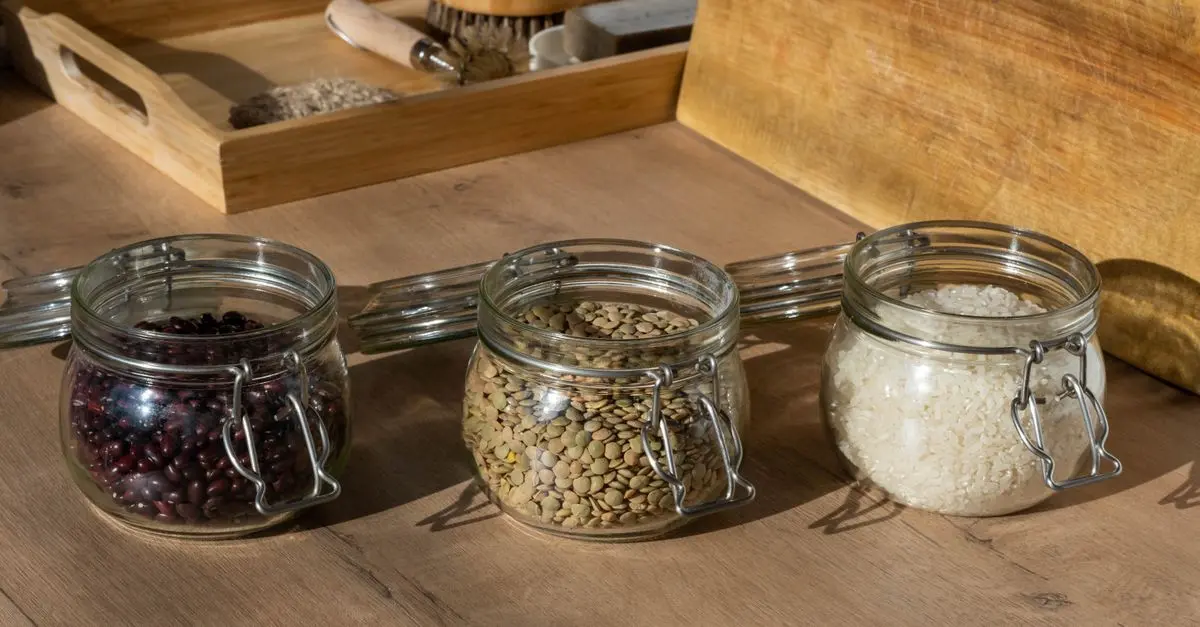
- Legumes: Lentils, chickpeas, and beans are all excellent protein options, with lentils providing about 18 grams of protein per cooked cup.
- Tofu and Tempeh: Derived from soybeans, tofu contains roughly 20 grams of protein per cup, while tempeh delivers even more, around 31 grams per cup.
- Nuts and Seeds: Almonds, chia seeds, and hemp seeds are not only protein-rich but also high in healthy fats. For example, 100 grams of almonds contain about 21 grams of protein.
- Whole Grains: Quinoa, farro, and brown rice provide a solid protein content while delivering other nutritional benefits. Quinoa, in particular, contains about 8 grams of protein per cup cooked.
- Plant-Based Protein Powders: These supplements have become increasingly popular among vegans, offering a concentrated source of protein. Nutritional shakes, made from pea or hemp, can boost daily protein intake effectively.
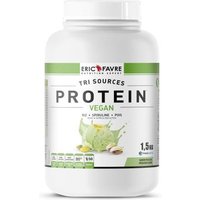
Eric Favre Protéines Végétales Tri Source Protein Vegan 1.5kg
DocMorris FR (ex DoctiPharma FR)

Eric Favre Tri Sources Protein Vegan Pistache 500g
DocMorris FR (ex DoctiPharma FR)
How to Incorporate Vegan Proteins into Your Diet
To maximise your daily protein intake, consider these practical steps:
- Start with Breakfast: Add chia seeds or almond butter to smoothies, oatmeal, or pancakes for a protein boost.
- Lunch Boost: Incorporate beans into salads, soups, or rice dishes. A bean salad can be both filling and nourishing.
- Snacks Matter: Trail mix with nuts and seeds or a protein smoothie can easily cover your protein needs between meals.
- Dinner Options: Use tofu or tempeh as a meat substitute in stir-fries or curries. With proper seasoning, these can be delightfully flavoursome.
Meal Planning and Recipes
Planning your meals can significantly improve your protein intake. Some recipe ideas include lentil soup, quinoa salad, and tofu stir-fry dishes. These meals are not only rich in proteins but also easy to prepare and delicious. Using measuring tools and nutrition apps can help track your daily protein intake effortlessly.
Comparison of Vegan Protein Sources
Here's how some popular vegan protein sources stack up against one another:
| Protein Source | Protein per Cup (Cooked) | Fibre (g) | Other Nutrients |
|---|---|---|---|
| Lentils | 18 g | 15.6 | Iron, Folate |
| Chickpeas | 15 g | 12.5 | Manganese, Copper |
| Quinoa | 8 g | 5.2 | Magnesium, Iron |
| Tofu | 20 g | 2.3 | Calcium, Selenium |
FAQs about Vegan Protein Sources
1. Can you get enough protein on a vegan diet?
Yes, with proper planning, you can meet or exceed your protein needs through various plant-based sources.
2. What are complete proteins?
Complete proteins contain all essential amino acids. Foods like quinoa and soy (tofu, tempeh) are examples.
3. Do I need protein supplements?
Supplements can help, especially for athletes or active individuals, but whole food sources are generally preferred.
4. How much protein do I need daily?
The recommended dietary allowance varies per individual, but generally, it is around 46 grams for women and 56 grams for men.
Glossary
| Term | Definition |
|---|---|
| Vegan Protein | Protein derived from plant sources, excluding animal products. |
| Complete Protein | A protein source that contains all nine essential amino acids. |
| Legumes | A group of plant foods that includes beans, lentils, and peas. |
Checklist for a Balanced Vegan Diet
- [ ] Include a variety of protein sources.
- [ ] Plan meals ahead to ensure adequate intake.
- [ ] Track protein and nutrient levels regularly.
- [ ] Explore new recipes incorporating legumes and grains.
- [ ] Stay informed about plant-based nutrition.
📺 Resource Video
> 📺 For further understanding: Explore various vegan protein sources in depth. Search on YouTube: "best vegan protein sources 2026".
Incorporating a variety of these vegan protein sources into your diet can help maintain energy levels and muscle mass while adhering to a vegan lifestyle. As highlighted, the journey to a balanced diet can be seamless with knowledge, diversity, and preparation.
Don't hesitate to delve deeper into nutritional knowledge — explore our recommended products below to enhance your plant-based journey!
📺 Pour aller plus loin : best vegan protein sources 2026 sur YouTube
Recommended products
Selected by our experts
Eric Favre Protéines Végétales Tri Source Protein Vegan 1.5kg
DocMorris FR (ex DoctiPharma FR)
This protein powder provides a rich plant-based protein source, ideal for fortifying smoothies or meals.
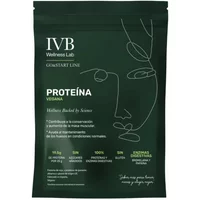
IVB Vegan Protein 500g
Beauty The Shop FR
This advanced vegan protein formulation is designed to support muscle structure and is perfect for post-workout recovery.
Eric Favre Tri Sources Protein Vegan Pistache 500g
DocMorris FR (ex DoctiPharma FR)
The pistachio variant offers an exciting protein option for those looking to diversify their intake.