Contents (10 sections)
In recent years, the plant-based nutrition movement has gained considerable traction, reflecting a growing awareness of health and environmental sustainability. This guide aims to provide an in-depth understanding of essential nutrients for vegans, including how to obtain them effectively, and offers practical advice for those embarking on or continuing their vegan journey.
What is Plant-Based Nutrition?
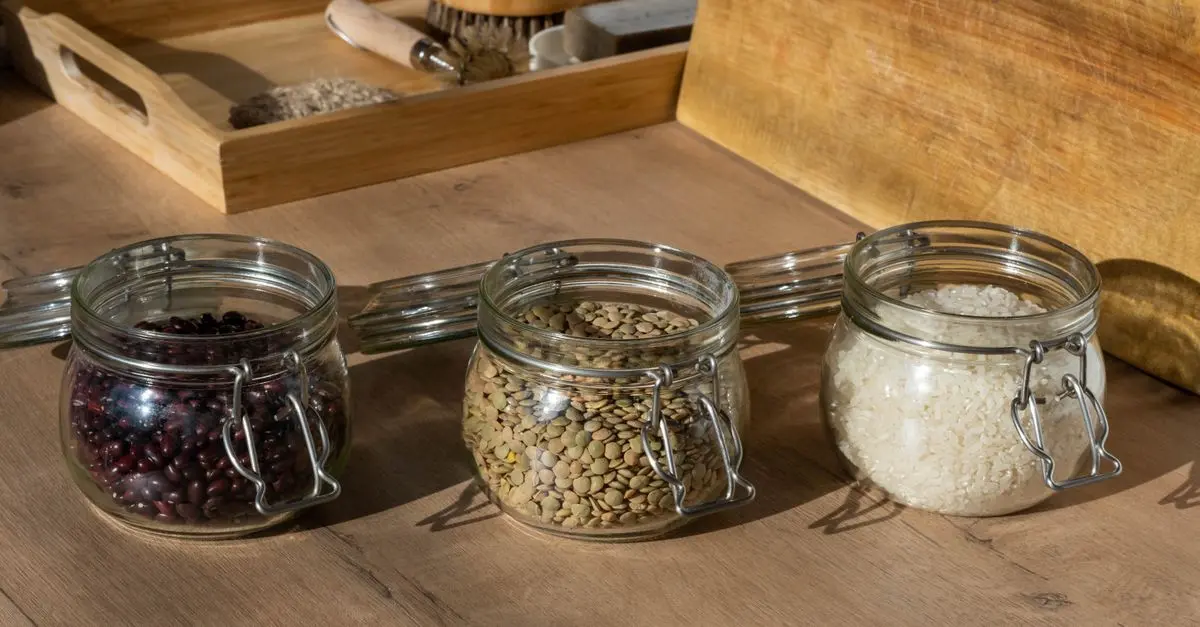
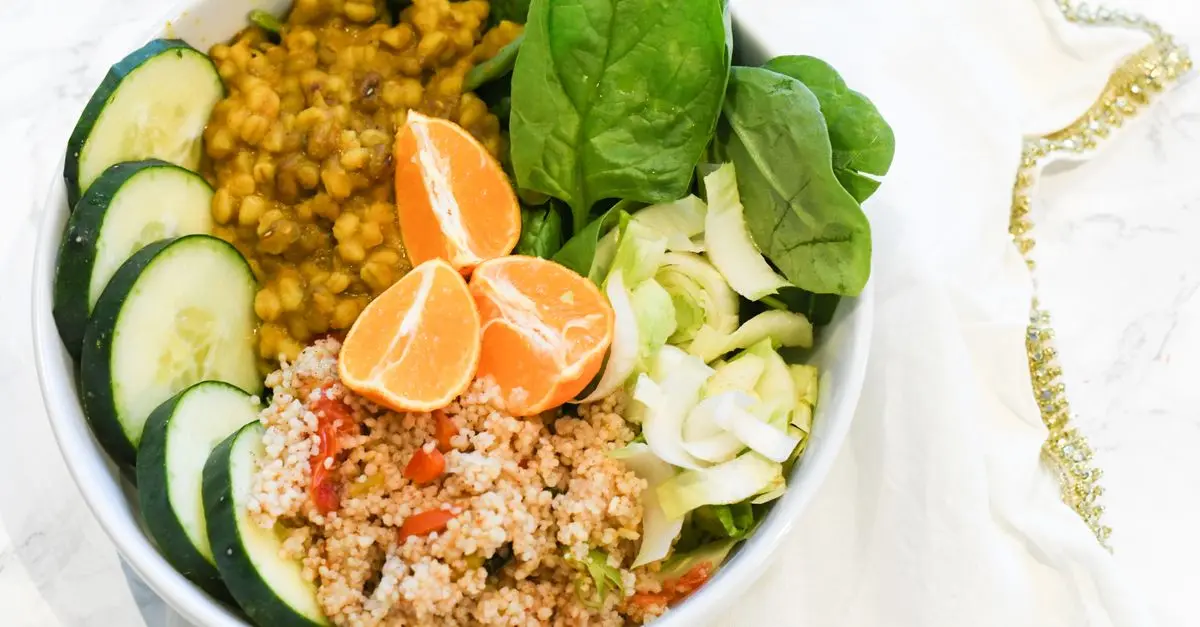
Plant-based nutrition primarily revolves around diets that consist mainly of fruits, vegetables, whole grains, legumes, nuts, and seeds. It excludes or minimises animal products, aiming for a lifestyle that promotes health, wellness, and environmental stewardship.
The appeal of plant-based nutrition is firmly supported by research indicating lower risks of chronic diseases such as heart disease, type 2 diabetes, and certain cancers. A 2019 study published in the Journal of the American Heart Association found that individuals adhering to a plant-based diet had a 25% lower risk of heart disease compared to those consuming a traditional meat-heavy diet, highlighting the potential health benefits of embracing this lifestyle.
If you’re considering adopting a plant-based diet, understanding the nutritional aspects is crucial. A major focus lies on ensuring sufficient intake of key nutrients that may be lacking in a vegan diet, making knowledge and preparation indispensable.
Key Nutrients for Vegans
Here’s a look at the vital nutrients that vegans should monitor closely, along with sources from which to obtain them:
- Protein: Essential for muscle repair and growth, vegans can source protein from legumes, lentils, tofu, tempeh, and seitan. The recommended dietary allowance (RDA) for protein is approximately 0.8 grams per kilogram of body weight.
- Vitamin B12: This vitamin is critical for nerve health and blood formation but is primarily found in animal products. Vegans should consider fortified foods or supplements. The RDA is 2.4 micrograms per day.
- Iron: While plant sources like lentils and spinach contain iron, it’s non-heme iron, which is not absorbed as efficiently as heme iron from animal products. Pairing these foods with vitamin C-rich foods can enhance absorption. The RDA for iron is 14.8 mg for men and 18 mg for women.
- Omega-3 Fatty Acids: These fatty acids are vital for heart health and brain function. Vegans can obtain them from flaxseeds, chia seeds, and walnuts. The ideal intake of omega-3s is about 1.6 grams daily for men and 1.1 grams for women.
How to Ensure Adequate Nutrient Intake
To successfully maintain a healthy vegan diet, it's essential to develop a balanced meal plan. Here’s a step-by-step approach to achieving optimal plant-based nutrition:
- Plan meals ahead: Incorporating a variety of food groups ensures that you receive adequate amounts of all essential nutrients.
- Incorporate fortified foods: Make sure to include options that are fortified with nutrients like B12 and vitamin D.
- Track your nutrient intake: Using apps or journals can help you monitor your intake and make adjustments as needed. This practice ensures you are meeting the daily recommended allowances for all important nutrients.
- Don’t shy away from supplements: If you’re struggling with certain nutrients, consult with a healthcare provider about the best supplement options for you.
💡 Expert Tip: Regularly engage with a nutritionist well-versed in plant-based nutrition to tailor your dietary choices according to individual health needs and goals.
Nutrients Comparison Table
| Nutrient | Plant Sources | RDA (Men) | RDA (Women) |
|---|---|---|---|
| Protein | Lentils, Tofu, Nuts, Quinoa | 56 g | 46 g |
| Vitamin B12 | Fortified Foods, Nutritional Yeast | 2.4 µg | 2.4 µg |
| Iron | Lentils, Spinach, Pumpkin Seeds | 14.8 mg | 18 mg |
| Omega-3 Fatty Acids | Flaxseeds, Chia Seeds, Walnuts | 1.6 g | 1.1 g |
Despite the growing popularity of veganism, several myths and misconceptions persist about the plant-based lifestyle. One common myth is that it's challenging to obtain sufficient protein without consuming animal products. However, as outlined above, there is a wealth of plant sources rich in protein, such as beans, chickpeas, and tofu.
Another misconception is that vegan diets lack sufficient iron. While it’s true that non-heme iron from plants is less readily absorbed, strategic meal planning involving the right combinations of foods can ensure adequate intake of this crucial mineral.
Frequently Asked Questions
- Can I get enough protein on a vegan diet?
Yes, with careful planning around legumes, nuts, and seed sources, obtaining enough protein is achievable.
- How do I ensure I'm getting enough vitamin B12?
Consider fortified foods or supplements to meet daily B12 requirements.
- What are omega-3 sources for vegans?
Flaxseeds, chia seeds, and walnuts are excellent sources of plant-based omega-3 fatty acids.
- Do I need to take supplements as a vegan?
While not always necessary, some individuals may need specific supplements, such as B12 or Vitamin D, depending on dietary restrictions and individual health factors.
## Glossary
| Terme | Définition |
|---|---|
| Plant-Based Nutrition | Regroupement des régimes axés sur les plantes. |
| Non-Heme Iron | Fer d'origine végétale, moins bien absorbé. |
| Fortified Foods | Aliments enrichis en nutriments essentiels. |
- [ ] Planifiez vos repas de la semaine.
- [ ] Vérifiez les étiquettes pour les ingrédients enrichis.
- [ ] Consultez un nutritionniste si nécessaire.
- [ ] Utilisez une application pour suivre votre apport nutritionnel.
- [ ] Envisagez un supplément de B12 si nécessaire.
📺 Pour aller plus loin : The Complete Guide to Vegan Diets, une analyse complète des régimes végétaliens. Recherchez sur YouTube : "vegan nutrition tips 2026".
Conclusion
Adopter une nutrition à base de plantes ne se limite pas seulement à exclure les produits d’origine animale, mais implique également un engagement envers une alimentation consciente et bien planifiée. En étant attentif aux nutriments essentiels et en effectuant des choix alimentaires éclairés, vous pouvez non seulement améliorer votre santé, mais également soutenir votre bien-être et celui de la planète.
Nous avons sélectionné plusieurs produits adaptés pour optimiser votre expérience de vie végétalienne. Découvrez nos recommandations ci-dessous !
📺 Pour aller plus loin : vegan nutrition tips 2026 sur YouTube
Recommended products
Selected by our experts

Compléments alimentaires Nutrition-Capillaire - Cure de 1 mois - D-LAB Nutricosmetics
Blissim FR
This hair care supplement is beneficial for maintaining overall health, which is important for those following a plant-based diet.

Soin Démêlant Nutrition Activateur de Reflets Pour Blondes - John Frieda
Blissim FR
A nourishing treatment that helps keep your hair healthy, complementing a holistic approach to veganism.
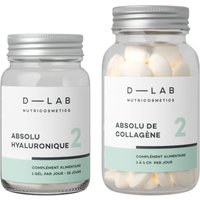
Compléments alimentaires duo Nutrition-Absolue - D-LAB Nutricosmetics
Blissim FR
This hair nutrient formulation is ideal for those on a vegan diet to support overall health and vitality.