Contents (14 sections)
Going vegan is more than just a dietary choice; it's a lifestyle commitment that promotes health, sustainability, and compassion towards animals. Whether you're venturing into the realm of veganism for health concerns, ethical reasons, or simply to explore new culinary horizons, having the right cooking tips can significantly enhance your experience and enjoyment. Here are the top 10 vegan cooking tips for beginners.
1. Understand the Basics of Vegan Ingredients
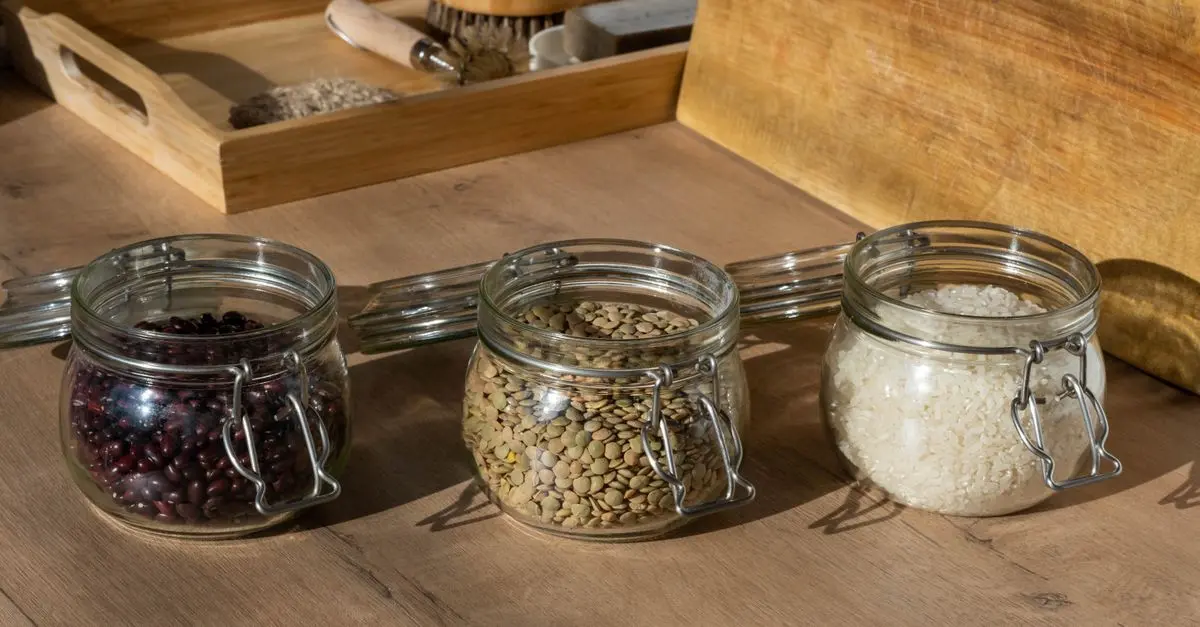
Before you begin cooking vegan dishes, it's essential to familiarise yourself with the basic ingredients that form the backbone of vegan cooking. Staples include legumes (like lentils, chickpeas), grains (quinoa, brown rice), nuts, seeds, vegetables, and fruits. Each ingredient serves a particular purpose. For instance, beans can be used as a protein source, while grains provide necessary carbohydrates. According to the British Dietetic Association, a well-planned vegan diet can meet all nutritional needs as long as a variety of foods are consumed.
2. Embrace Whole Foods
Focusing on whole foods is vital to a healthy vegan diet. Processed vegan alternatives may be tempting but are often laden with added sugar, salt, and unhealthy fats. By choosing whole foods, like fresh vegetables, whole grains, nuts, and seeds, you not only preserve the nutritional content but also enjoy richer flavours. For example, incorporating fresh spinach into a salad brings a vibrant taste that processed dressings cannot replicate. Aim for a colour palette in your meals; the more colours, the more nutrients you'll likely include.
![HQ Ltd Speedy BOSH [Hardcover], BOSH on a Budget, BOSH How to Live Vegan By Henry Firth and Ian Theasby 3 Books Collection Set](https://r.kelkoo.com/resize.php?country=uk&merchantId=100579016&categoryId=5101&trackingId=96965878&width=500&height=500&image=https%3A%2F%2Fcdn.shopify.com%2Fs%2Ffiles%2F1%2F0274%2F6482%2F6995%2Ffiles%2F51OmV4NT0PL.jpg%3Fv%3D1757071239&sign=rPEpiubP__zIRc5ZntHxdj0OOJ8DDWSyo0XpWfsbUWg-)
HQ Ltd Speedy BOSH [Hardcover], BOSH on a Budget, BOSH How to Live Vegan By Henry Firth and Ian Theasby 3 Books Collection Set
books4people.co.uk
3. Master the Art of Seasoning
One of the most significant advantages of plant-based cooking is the freedom to experiment with spices and herbs. Unlike traditional cooking that may rely heavily on meats for flavour, vegan cooking is all about enhancing the natural taste of ingredients. Learn the flavour profiles of various herbs and spices; for instance, smoked paprika can add a depth of flavour to stews, while fresh basil can elevate a simple tomato dish. According to a study by UFC-Que Choisir, proper seasoning can significantly enhance the eating experience for those on a vegan diet.
4. Explore Dairy Alternatives
One common hurdle for many transitioning to veganism is the lack of dairy products. Fortunately, there are numerous alternatives that can be easily integrated into your cooking. For example, almond milk can be used in place of cow's milk in recipes, and nutritional yeast can provide a cheesy flavour to dishes without any dairy. Additionally, experimenting with coconut cream can add richness to desserts and curries alike. We have selected several appropriate products to assist you in your transition in the recommended section below.
5. Plan Your Meals
Meal planning is essential for maintaining a balanced vegan diet. By preparing a week’s worth of meals in advance, you can ensure you have the right ingredients on hand and adhere to your dietary commitments. Websites like Plentiful offer fantastic tools for meal planning and can help streamline your shopping process. Try dedicating a couple of hours each week to cook in bulk; for instance, you can batch cook lentil soups or vegetable stir-fries that can be refrigerated or frozen for easy access throughout the week. According to the Food Standards Agency, prepared meals can reduce waste significantly, making it easier to stick to a vegan diet.
6. Learn to Cook Grains and Legumes Perfectly
Grains and legumes are the cornerstones of vegan meals. Learning how to cook them correctly ensures that you enjoy their texture and flavour. Quinoa, for instance, should be rinsed thoroughly to remove its natural coating, which can create a bitter taste. When cooking beans, it’s often recommended to soak them overnight to enhance digestibility and shorten cooking time. There are various resources available in our recommendations that can guide you further.
7. Keep Your Kitchen Stocked
Having a well-stocked kitchen will make vegan cooking easier and more enjoyable. Essential items to keep on hand include grains, beans, canned tomatoes, frozen vegetables, and a selection of spices. This way, you can whip up a meal in no time without needing to run to the supermarket every time you want to cook. A survey conducted by Mintel revealed that consumers who keep a well-stocked pantry are more likely to cook at home regularly, leading to healthier eating habits.
8. Don’t Be Afraid to Experiment
Vegan cooking presents ample opportunities to innovate. Don't hesitate to try new recipes or substitute ingredients based on availability or personal preference. For example, if a recipe calls for chickpeas but you have black beans, go ahead and use them! This flexibility allows for creativity in the kitchen and can even lead to some delightful surprises. Keep a journal of your experiments, and you'll likely find new favourites along the way.
9. Use Cooking Books and Online Resources
Investing in a good vegan cookbook can immensely boost your cooking skills. Cookbooks provide structured recipes and often contain valuable tips on technique and ingredient substitutions. Additionally, many excellent websites and YouTube channels are dedicated to vegan cooking. Use these resources for inspiration and guidance. Platforms like BBC Good Food offer extensive vegan recipes that are easy to follow and delicious.
10. Connect with the Vegan Community
Finally, joining a community of like-minded individuals can support your vegan journey. Engaging with others allows you to share recipes, tips, and experiences, making the cooking process more enjoyable. Joining local vegan groups, attending events, or participating in online forums can provide encouragement and inspiration. According to a survey by The Vegan Society, individuals who connect with community members are more likely to stick to their vegan commitments.
Checklist for Your Vegan Kitchen
- [ ] Familiarise yourself with essential vegan ingredients.
- [ ] Stock your pantry with whole foods.
- [ ] Plan your meals weekly.
- [ ] Learn proper cooking techniques for grains and legumes.
- [ ] Experiment with different seasonal ingredients.
💡 Opinion from Culinary Experts: Creating a well-balanced vegan diet isn't just about avoiding animal products; it's about embracing the abundance of plant-based foods available. Variety is the spice of life, and by following these tips, you'll set yourself on the path to a vibrant and fulfilling vegan lifestyle.
Glossary
| Terme | Définition |
|---|---|
| Veganisme | Mode de vie qui exclut tous les produits d'origine animale. |
| Légumineuses | Plantes dont les graines sont riches en protéines, comme les haricots et les lentilles. |
| Nutrition | Science qui étudie les effets des aliments sur la santé. |
📺 Ressource Vidéo
> 📺 Pour aller plus loin : Explorez des recettes faciles pour débutants en cuisine vegan, une analyse complète de l'art culinaire à base de plantes. Recherchez sur YouTube : "vegan cooking tips for beginners".
📺 Pour aller plus loin : vegan cooking tips for beginners sur YouTube
Recommended products
Selected by our experts
HQ Ltd Speedy BOSH [Hardcover], BOSH on a Budget, BOSH How to Live Vegan By Henry Firth and Ian Theasby 3 Books Collection Set
books4people.co.uk
These vegan cookbooks are perfect for beginners eager to explore diverse plant-based recipes and cooking techniques.
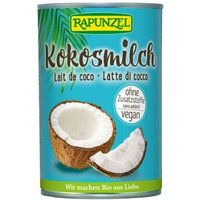
Rapunzel Organic Coconut Cooking Milk 400ml
DocMorris FR (ex DoctiPharma FR)
Coconut cooking milk is a great ingredient for adding richness to vegan curries and desserts.
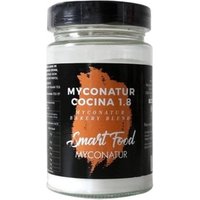
Mycofoods Blend Cooking 1:8 250g
DocMorris FR (ex DoctiPharma FR)
This versatile sweetener is suitable for those looking for a natural sugar alternative in their recipes.