Contents (10 sections)
Cooking vegan meals can seem daunting at first, especially if you're used to a diet rich in animal products. However, understanding the vegan cooking ingredients that you need can transform your culinary experience. This guide will provide you with essential staples, tips for their use, and common mistakes to avoid, making your transition to vegan cooking smoother than ever.
1. Understanding Vegan Cooking Ingredients
Vegan cooking ingredients are primarily plant-based, sourced from fruits, vegetables, grains, legumes, nuts, and seeds. These foods are not only nutritious but also versatile, allowing for a variety of flavours and textures in your dishes. The importance of these ingredients extends beyond the kitchen; they can significantly impact health, environmental sustainability, and ethical choices. According to a study published in Nutrients (2021), a well-planned vegan diet is associated with lower cholesterol levels and reduced risk of heart disease.
Why turn to vegan ingredients? Using whole foods can help improve overall health, increase energy levels, and enhance mood. However, transitioning requires a shift in mindset about what comprises a balanced meal. Instead of viewing meals as meat-focused, think of them as vibrant compositions of grains, vegetables, and legumes.
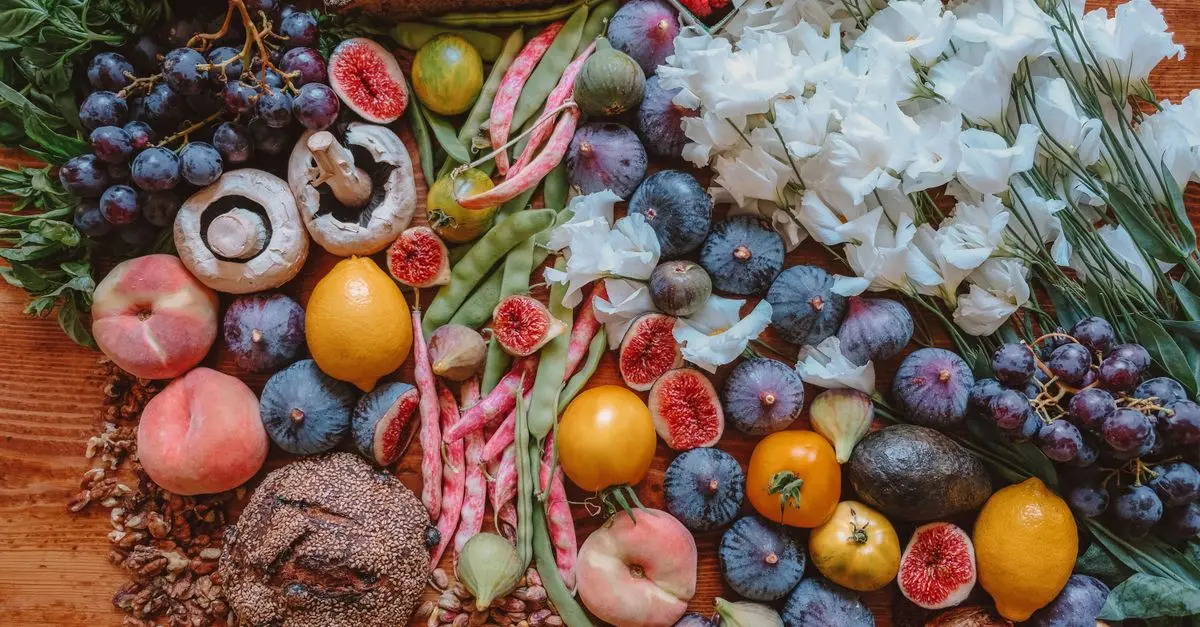
These ingredients can be grouped into categories to help you stock your pantry effectively. Aim to incorporate a variety of colours and types to ensure you're getting a full spectrum of nutrients. Here’s what you need to focus on:
- Fruits and Vegetables: Fresh, frozen, or dried, they should ideally be seasonal and varied.
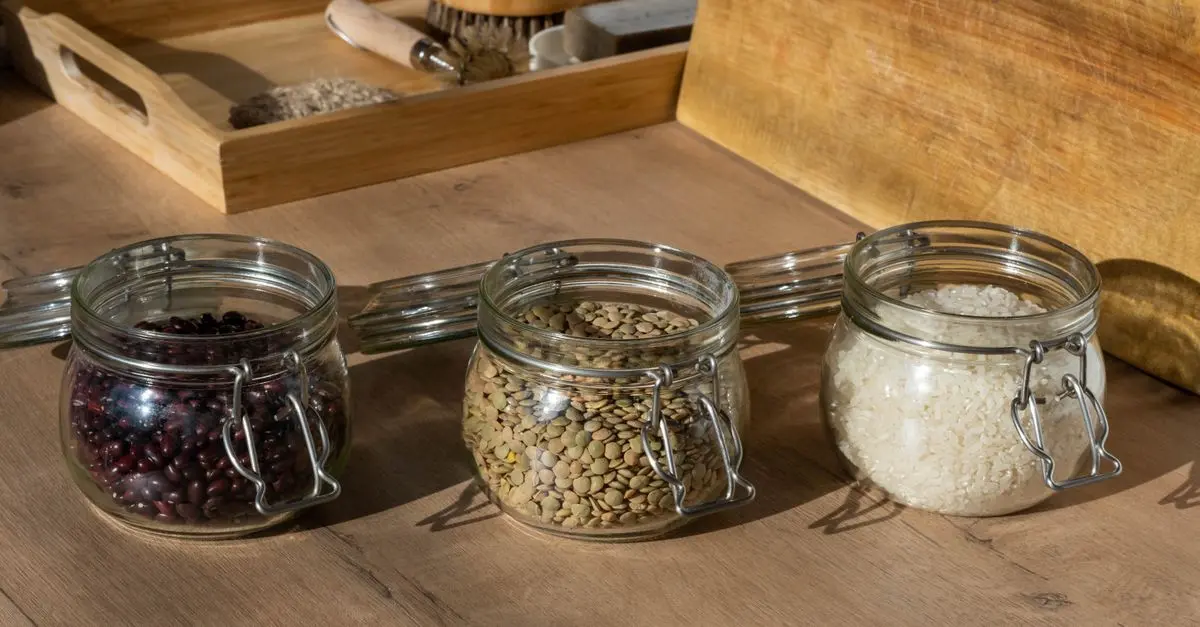
- Grains and Legumes: Brown rice, quinoa, lentils, and beans are excellent sources of protein and fibre.
- Nuts and Seeds: Almonds, sunflower seeds, chia seeds, and flaxseeds add healthy fats and essential nutrients.
2. Essential Pantry Staples for Vegan Cooking
Grains
Grains are the backbone of a vegan diet. They provide energy and essential nutrients. Stocking up on a variety of grains is crucial.
- Brown Rice: A whole grain that is nutritious and provides a subtle nutty flavour. It works well in stir-fries and as a base for veggie bowls.
- Quinoa: High in protein and gluten-free, quinoa is versatile. Use it in salads, as a side, or even in breakfast bowls.
- Oats: Perfect for breakfast, oats are packed with fibre and can be used in smoothies or baked goods as well.
Legumes
Legumes are another vital component of vegan cooking, offering not only protein but a variety of flavours.
- Chickpeas: Utilised in dishes like hummus or salads, chickpeas are incredibly versatile.
- Lentils: These cook quickly and are excellent in curries and stews, adding hearty texture.
Spices and Herbs
Spices and herbs can turn basic dishes into flavourful meals. Stock your kitchen with different varieties like:
- Cumin and Coriander: Great for Middle Eastern and Indian dishes.
- Basil and Oregano: Best for Italian cooking and adding freshness to sauces and salads.
3. Protein Sources in Vegan Cooking
One of the primary concerns when switching to a vegan diet is ensuring adequate protein intake. Fortunately, several vegan cooking ingredients are high in protein. Beans, lentils, and peas are all excellent choices. Tofu and tempeh are also invaluable ingredients due to their versatility and protein content. Incorporate them into stir-fries, burgers, or soups for an added protein boost.
In addition, consider foods like nut butters (such as almond or peanut butter) or seitan, a wheat-based protein that can be used in a variety of dishes to mimic meat. Greek yogurt alternatives made with almond or coconut bases are perfect for smoothies or desserts, while providing dietary protein benefits.
4. Comparing Vegan Cooking Ingredients
Here is a comparison of various protein sources often used in vegan cooking:
| Ingredient | Protein Content (per 100g) | Other Nutrients | Common Uses |
|---|---|---|---|
| Lentils | 9g | Iron, Fibre | Soups, Stews |
| Chickpeas | 8.9g | Folate, Manganese | Hummus, Salads |
| Tofu | 8g | Calcium, Iron | Stir-fries, Scrambles |
| Seitan | 25g | Selenium, Iron | Sandwiches, Stir-fries |
As you embark on your vegan cooking journey, here are tips to ensure your transition is successful:
- Plan Your Meals: Focus on meal prep to avoid last-minute struggles.
- Experiment: Use different spices and cooking methods to discover new flavours.
- Avoid Processed Foods: While convenient, processed vegan foods can be high in sugars and fats. Focus on whole foods where possible.
Common Mistakes to Avoid
- Forgetting to read labels—some seemingly vegan foods may contain hidden animal products.
- Relying heavily on processed alternatives instead of focusing on whole foods.
- Not incorporating sufficient protein sources, leading to energy dips.
💡 Expert Opinion: Transitioning to vegan cooking requires patience and creativity. Experimenting with various ingredients can lead to exciting new meals! Cooking classes focusing on plant-based cuisine can provide valuable insight.
Checklist for Vegan Cooking
- [ ] Stock up on whole grains
- [ ] Include a variety of legumes
- [ ] Use fresh vegetables and fruits seasonally
- [ ] Experiment with different spices
- [ ] Plan your meals weekly
📺 Resource Video
> 📺 For further exploration: Essential Vegan Cooking Ingredients, a comprehensive analysis of key ingredients to have in your vegan pantry. Search YouTube for: "essential vegan ingredients".
Glossary
| Terme | Définition |
|---|---|
| Umami | Goût savoureux souvent trouvé dans les champignons et tomates. |
| Veganisme | Mode de vie excluant tous les produits d'origine animale. |
| EAA | Acides aminés essentiels, importants dans l'alimentation. |
Quiz rapide
> 🧠 Quiz rapide : Quel est l'élément principal d'un plat vegan ?
> - A) Produits laitiers
> - B) Légumes
> - C) Viande
> Réponse : B — Les plats vegans se basent sur des ingrédients totalement d'origine végétale.
By integrating these essentials into your cooking routine, you'll find vegan meals not only enjoyable but also fulfilling. Dive into the world of vegan cooking, and enjoy the health benefits that come with a plant-based lifestyle!