Contents (18 sections)
Embracing a vegan lifestyle often begins with the contents of your pantry. Having a well-stocked vegan pantry with essential items can simplify meal preparation and enhance the quality of your dishes. In this article, we'll explore the key vegan pantry essentials you should have on hand for easy cooking, along with practical tips and strategies for stocking your pantry effectively.
1. Grains and Legumes
The Foundation of a Vegan Diet
Grains and legumes are the backbone of a vegan diet, providing essential nutrients, proteins, and energy. Brown rice, quinoa, farro, and oats are excellent grains to include. According to the NHS, whole grains should form a significant portion of your meals due to their high fibre content, aiding digestion and promoting long-lasting energy.
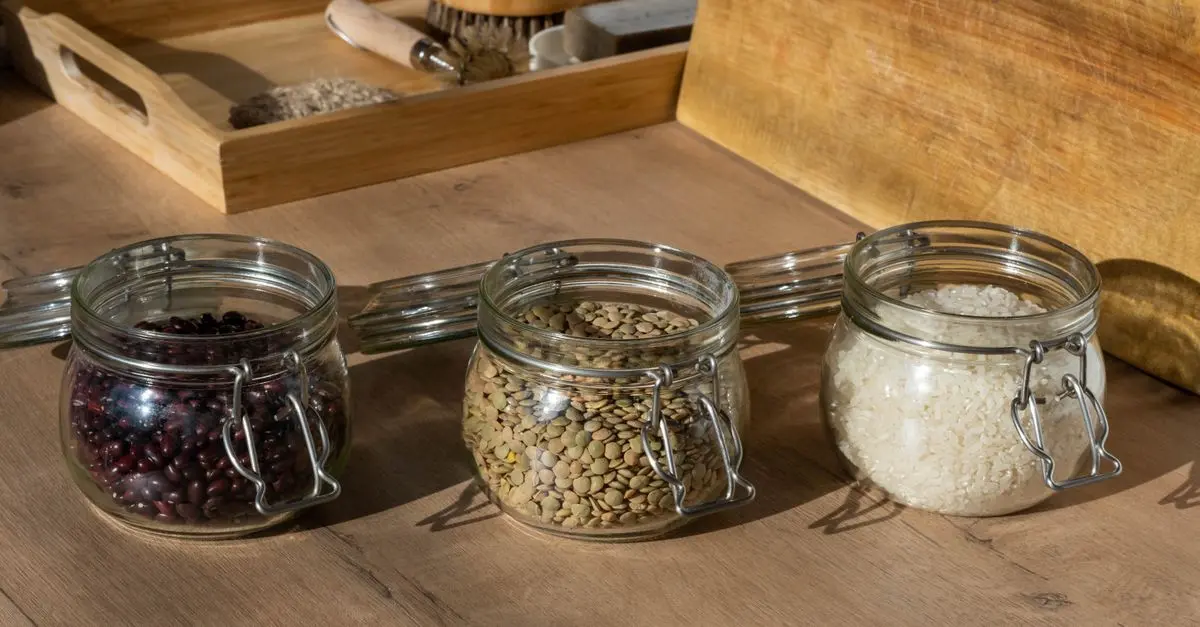
Beans, lentils, and chickpeas are fantastic legumes to have in your pantry. They are versatile, cost-effective, and packed with protein. For instance, canned black beans are perfect for quick tacos or salads, while dried lentils can be cooked into soups or stews. Aim for a mix of canned and dried varieties to ensure you always have these staples on hand.
Pro Tip: When cooking dried beans, soak them overnight for faster cooking time and better digestion.
2. Nuts, Seeds, and Nut Butters
Healthy Fats and Protein Sources
Nuts and seeds add a crunch to meals and are excellent sources of healthy fats and proteins. Almonds, walnuts, chia seeds, and flaxseeds are nutrient-dense choices that can enhance smoothies, salads, and baked goods. These foods also contain omega-3 fatty acids, which are important for heart health. A study by the Journal of Nutrition in 2025 found that regular nut consumption can reduce the risk of heart disease by up to 30%.
Nut butters, such as almond or peanut butter, are not only delicious but also incredibly versatile. They can be used in smoothies, spread on toast, or incorporated into baking recipes. Just ensure you choose natural varieties without added sugars or oils.
Common Mistake: Avoid buying nuts that are roasted in oils or have added salts, as they can undermine their health benefits. Stick to raw or dry-roasted options when possible.
3. Fresh and Dried Herbs and Spices
Elevating Flavours
Herbs and spices are essential in vegan cooking as they add depth and flavour to your dishes without adding calories. Stock up on a variety of dried herbs like oregano, basil, and cumin, which can be used in various recipes. Fresh herbs, such as parsley and coriander, can add a burst of freshness to your meals.
Additionally, spices like turmeric, cayenne pepper, and cinnamon not only enhance the flavour but also boast various health benefits. For example, turmeric contains curcumin, known for its anti-inflammatory properties. A systematic review in 2026 by Nutritional Reviews highlighted turmeric's potential in managing inflammation and chronic diseases.
Tip: Create a labelled spice rack to easily find what you need, and replace older spices regularly for maximum flavour.
4. Canned and Jarred Goods
Convenience at Your Fingertips
Canned and jarred goods are lifesavers for quick meals, making them invaluable in any vegan pantry. Stock up on items like canned tomatoes, coconut milk, and jarred sauces. Canned tomatoes are perfect for making sauces, soups, and stews, while coconut milk adds creaminess to curries and desserts.
In 2025, a report from UFC-Que Choisir noted the convenience and affordability of canned goods in meal prep, driving many to opt for them over fresh ingredients, particularly during busy weekdays.
Pro Tip: Always check labels for added sugars or preservatives, and choose organic options when available.
5. Plant-Based Dairy Alternatives
For Creaminess and Versatility
Plant-based dairy products are essential for those who enjoy creamy textures in their meals. Stock up on items like nut milks (almond, soy, oat), vegan yoghurts, and dairy-free cheese options. These alternatives offer similar taste profiles to their dairy counterparts and can often be found enriched with vitamins, making them an excellent choice for health-conscious shoppers.
A survey conducted in 2026 found that over 60% of consumers who purchased plant-based dairy alternatives reported feeling satisfied with their choices, particularly regarding taste and texture.
Common Pitfall: Be aware of fortified products with added sugars or artificial flavours, as they may not be as healthy as they appear.
6. Snack Options
Healthy Eating on the Go
Having healthy snacks readily available can prevent unhealthy eating habits. Stocking up on items like hummus, rice cakes, and vegan protein bars ensures you have nutritious options on hand between meals. Check labels for natural ingredients and lower sugar content to avoid energy crashes.
For example, hummus can be paired with fresh vegetables for a satisfying snack rich in protein and fibre. Additionally, items like popcorn can be made easily at home and seasoned according to your taste.
Advice: Prepare snack packs or jars to grab on the go, making it easier to stay on track with your vegan diet.
7. Budgeting for Your Vegan Pantry
Cost-Effective Strategies
Maintaining a vegan pantry can be budget-friendly with the right strategies. Buy in bulk where possible, especially for staples like grains, legumes, and dried fruits. Local markets can often provide fresher produce at lower prices compared to supermarkets.
According to INSEE, the cost of plant-based foods has decreased by 15% over the past five years, making it more accessible for consumers to adopt a vegan lifestyle. Look for seasonal items and plan meals around what’s on sale to optimise your budget further.
Key Tip: Consider meal prepping to maximise your pantry items—this saves time and reduces waste.
Conclusion
Building a vegan pantry filled with essential items allows for easy meal preparation and encourages healthy eating habits. By stocking up on grains, legumes, nuts, seeds, herbs, canned goods, plant-based dairy, and healthy snacks, you can simplify your cooking process while enjoying a variety of tasty and nutritious meals.
Checklist for Stocking Your Vegan Pantry
- [ ] Include a variety of grains (brown rice, quinoa, oats)
- [ ] Add different legumes (beans, lentils, chickpeas)
- [ ] Stock nuts and seeds (almonds, chia seeds)
- [ ] Incorporate dried herbs and spices
- [ ] Ensure canned goods are available (tomatoes, coconut milk)
- [ ] Add plant-based dairy alternatives (nut milk, vegan cheese)
- [ ] Don’t forget healthy snacks (hummus, protein bars)
Glossary
| Terme | Définition |
|---|---|
| Légumes secs | Des plantes cultivées pour leurs graines nutritives, comme les lentilles et les pois chiches. |
| Produits laitiers végétaux | Alternatives au lait et autres produits laitiers dérivés, souvent à base de noix, soja ou céréales. |
| Conserves | Aliments emballés et sterilisés dans des boîtes pour une conservation prolongée. |
> 📺 Pour aller plus loin : Everything You Need to Know About Setting Up a Vegan Pantry, une analyse complète de l'importance d'un bon approvisionnement. Recherchez sur YouTube : "vegan pantry essentials 2026".
🧠 Quiz rapide : What is the most important vegan pantry essential?
- A) Fresh vegetables
- B) Grains and legumes
- C) Condiments
Réponse : B — Grains and legumes provide essential nutrients vital for a balanced vegan diet.